Key Takeaways
- A valid Certificate of Analysis (COA) for charcoal must show fixed carbon, ash content, and moisture levels from an accredited third-party lab.
- MS 2567:2019 sets a strong baseline for Malaysian charcoal, but global export often requires additional buyer-specific burn tests.
- Fake premium charcoal reveals itself through excessive smoke, chemical odors, and inconsistent ash color during initial burn trials.
- On-site factory visits verify production capacity, raw material sourcing, and worker conditions before committing to multi-container contracts.
- A COA provides chemical composition data, while a test burn video proves real-world ignition time, heat output, and structural integrity.
Sourcing a reliable charcoal manufacturer in Malaysia requires hard data, verified certifications, and consistent production capacity. A single container of low-grade charcoal ruins client trust and damages your brand reputation. This playbook breaks down exactly how to audit suppliers, verify lab reports, and secure high-quality, eco-friendly charcoal for your OEM brand.
| Charcoal Grade | Fixed Carbon | Ash Content | Required Documentation | Export Readiness |
| Verified Premium OEM | > 75% | < 5% | Independent COA, MS 2567:2019 | Approved for global shipping |
| Standard Commercial | 65% – 74% | 5% – 8% | Internal Lab Report | Acceptable for regional markets |
| Fake Premium / Low Grade | < 60% | > 8% | Unverifiable or missing | High risk of rejection |
What Lab Reports Should a Credible Charcoal Supplier Provide?
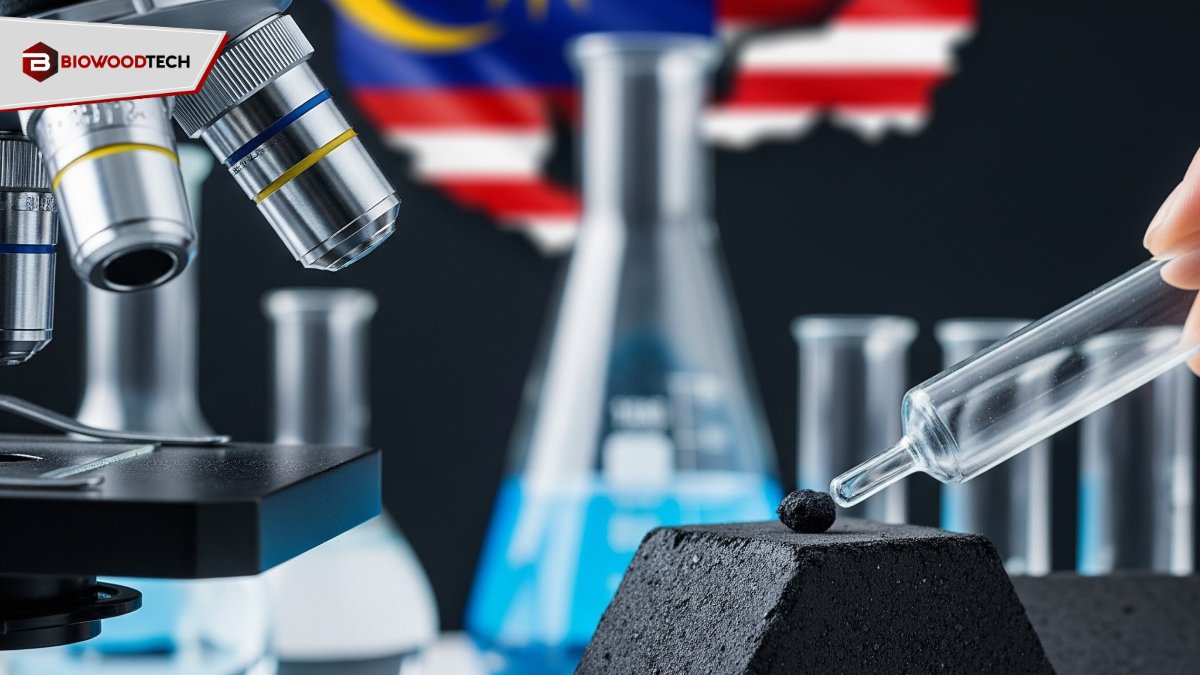
A certified Certificate of Analysis (COA) is the non-negotiable baseline for any bulk charcoal order.
Reputable suppliers share an updated COA for charcoal from an independent testing facility. This document details exact percentages for fixed carbon, moisture, volatile matter, and ash content.
Without this data, you are buying blind. High fixed carbon means a longer, hotter burn. Low moisture prevents popping and sparking during use.
“We never accept a supplier’s internal spreadsheet as proof of quality. An accredited third-party lab report is the only way to verify you are getting actual high quality charcoal.” — Global Supply Chain Auditor
Is MS 2567:2019 Certification Enough for Export?
The MS 2567:2019 standard guarantees minimum quality requirements for Malaysian charcoal but may not cover every international buyer’s demands.
This certification verifies that the product meets national benchmarks for safety and composition. It is an excellent indicator that the charcoal factory operates with standardized quality control.
However, specific markets—like the EU or Japan—might require additional sustainability tracking, such as FSC certification, to prove the product is truly eco friendly charcoal.
Always cross-reference the MS 2567:2019 charcoal credentials with your target country’s specific import regulations regarding timber and biomass products.
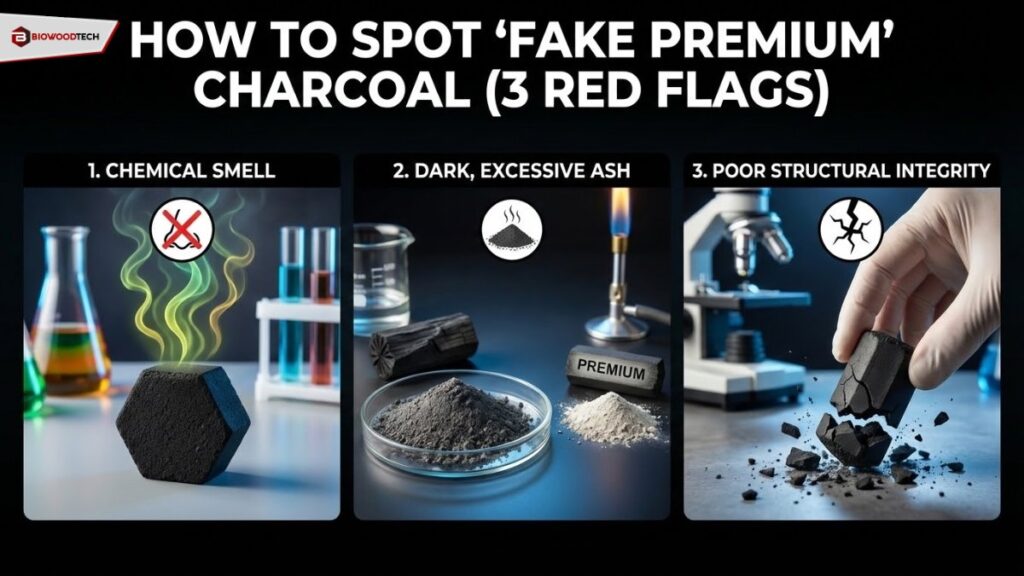
How to Spot “Fake Premium” Charcoal (3 Red Flags)
Visual inspection and a basic burn test quickly separate genuine premium charcoal from cheap sawdust composites.
First, check for a chemical smell before and during lighting. True high-grade charcoal uses natural binders and emits zero toxic odors.
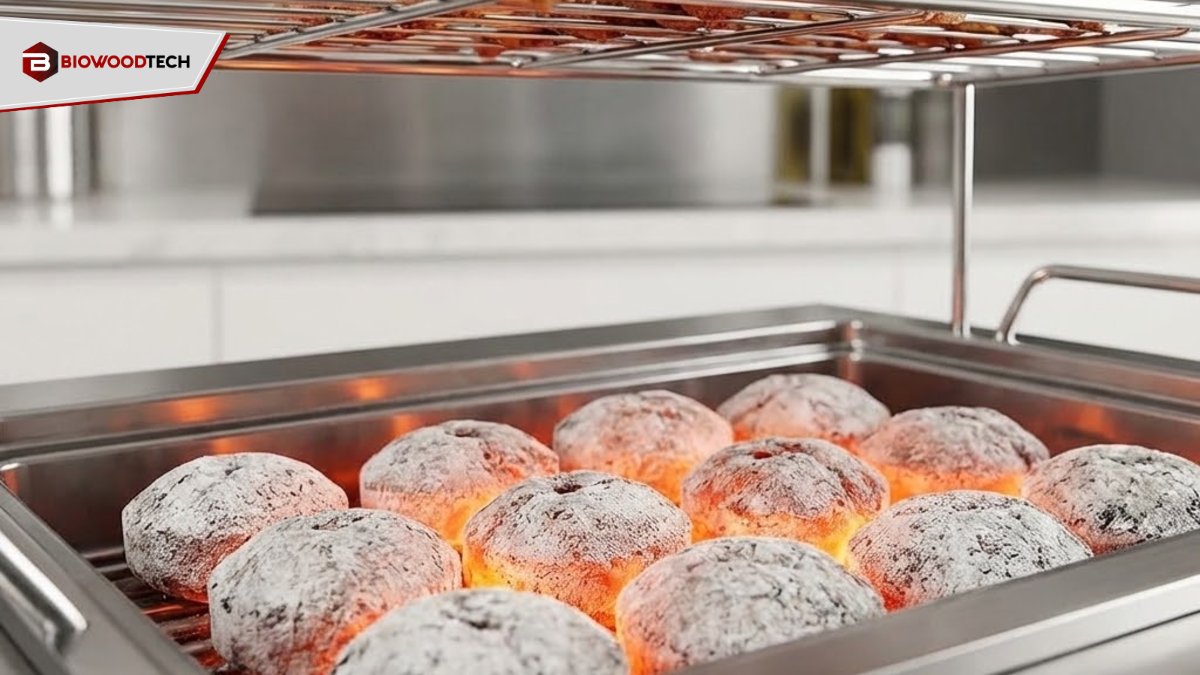
Second, watch the ash. Premium charcoal leaves a minimal, pale white or light gray ash. Dark or excessive ash indicates poor raw materials and low fixed carbon.
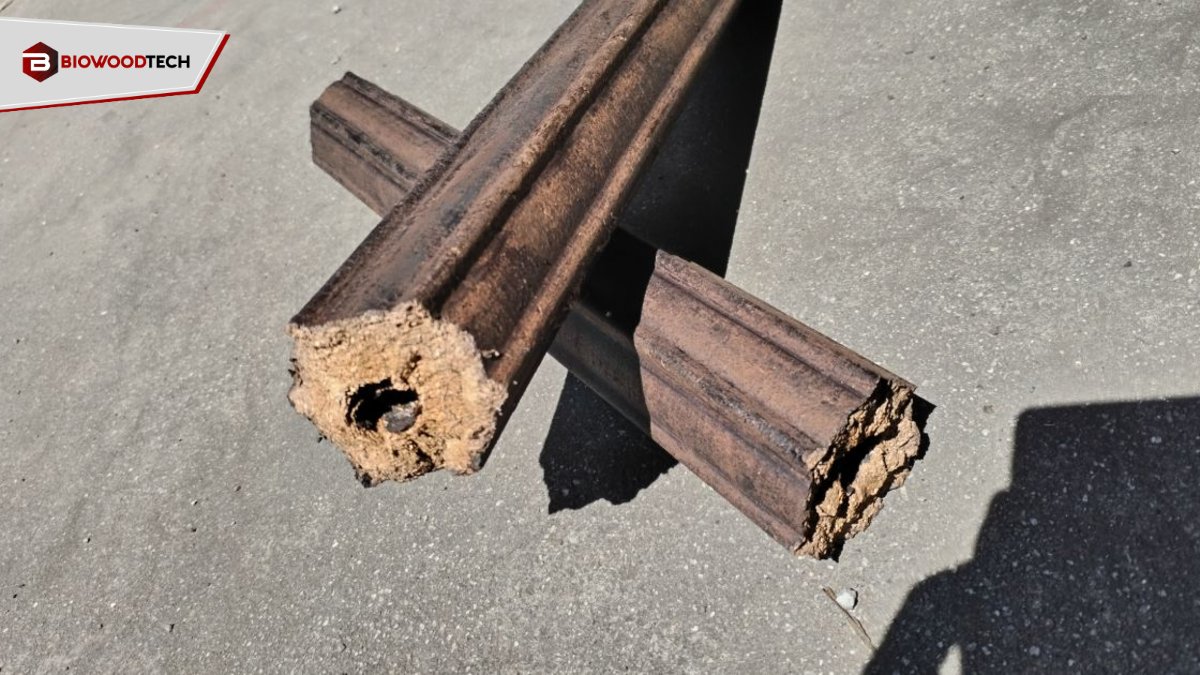
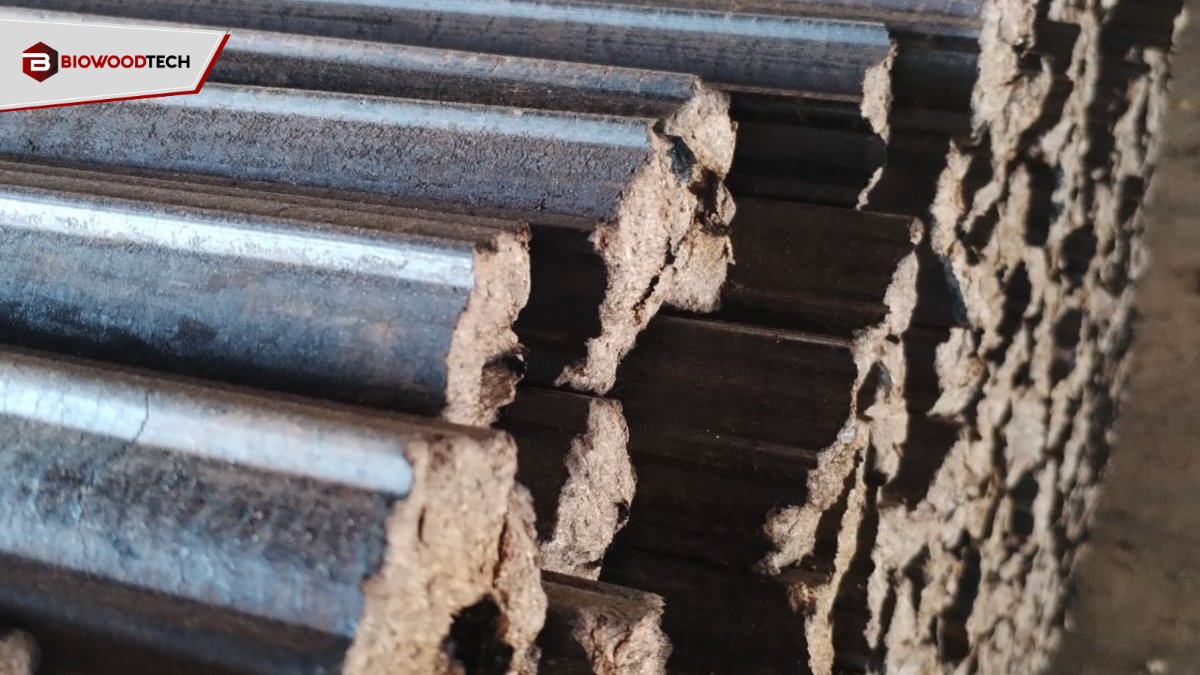
Third, observe the structural integrity. If the briquette shatters easily when dropped or crumbles during transit, the density is too low for commercial use and will result in high breakage rates inside the shipping container.
Also Read About: Top 5 Charcoal Myths Busted by Lab Data (2026)
Should I Visit the Factory Before Placing a Bulk Order?
An on-site audit protects your investment by confirming actual production capacity matches the supplier’s claims.
Many online listings belong to brokers, not actual manufacturers. Visiting the facility allows you to inspect the extrusion machines, carbonization kilns, and packaging lines firsthand.
You can also verify raw material stockpiles. Seeing mountains of clean coconut shells or hardwood sawdust confirms their ability to scale production for your OEM services.
If a physical visit is impossible, request a live video tour of the production floor during operating hours to verify the charcoal supplier is a direct manufacturer.
What’s the Difference Between a COA and a Test Burn Video?
A COA provides the scientific breakdown, while a test burn video demonstrates real-world performance.
The laboratory report tells you the exact chemical composition. It confirms the baseline metrics needed to legally import the product and pass customs inspections smoothly.
The test burn video shows the charcoal in action. It proves how fast the product ignites, the consistency of the heat output, and how long it maintains temperature before turning to ash.
Smart B2B buyers demand both. The data proves the safety and grade, while the video proves the user experience for the end consumer.
Ready to secure a reliable supply chain for your brand? Partnering with a verified charcoal manufacturer in Malaysia guarantees consistent quality, full documentation, and transparent production processes.
Securing Your Charcoal Supply Chain
Sourcing bulk charcoal requires strict vetting of lab reports, factory capabilities, and physical product performance. Protecting your margins means validating every COA and trusting only verified manufacturers for your OEM needs.
FAQs
Premium charcoal typically requires a fixed carbon content above 75%. Higher percentages yield longer, hotter burn times with less smoke.
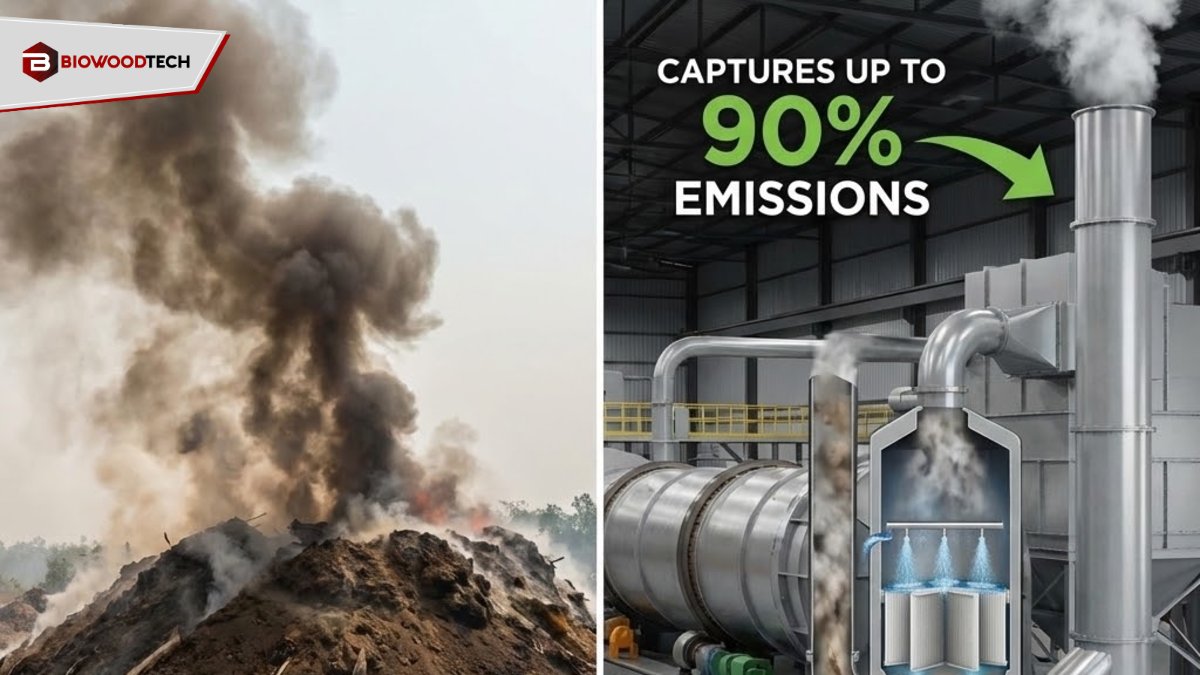
Heavy smoke indicates high moisture content, incomplete carbonization during manufacturing, or the use of cheap chemical binders.
High-quality hexagonal or extruded briquettes should burn consistently for 4 to 6 hours depending on airflow and application.
Yes. Requesting a batch-specific COA ensures consistent quality across multiple orders and prevents suppliers from substituting lower-grade materials.
Yes, provided the manufacturer uses 100% natural, food-grade binders like tapioca starch instead of synthetic chemical adhesives.
Eco-friendly charcoal utilizes recycled biomass, like coconut shells or sawmill offcuts, preventing deforestation while providing a sustainable fuel source.
Read more: Sawdust Charcoal vs Coconut Charcoal: Which Burns Longer and Saves More?