Key Takeaways
- “Arang Kayu” typically refers to traditional lump charcoal, while sawdust charcoal is an engineered, dense upgrade.
- Malaysian mangrove wood is historically prized for high heat but is facing strict conservation limits.
- Factory briquetting ensures consistent hexagonal shapes, unlike the irregular sizes of traditional kiln carbonization.
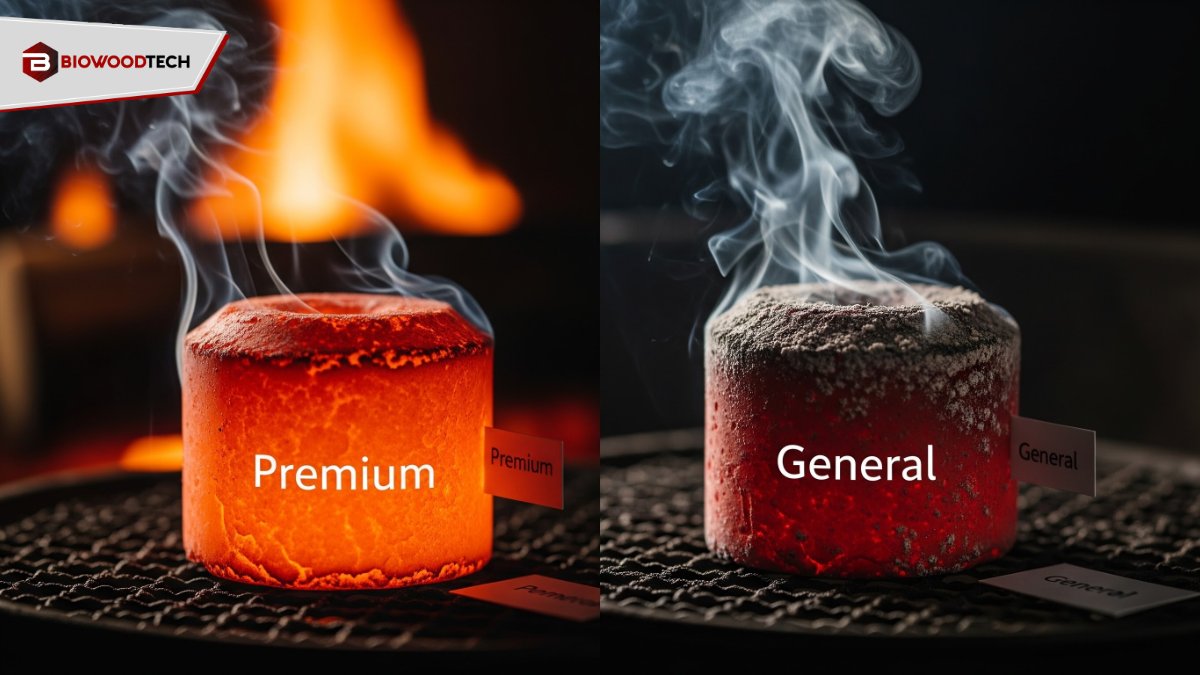
- Sawdust charcoal burns for 4–6 hours, nearly double the duration of standard lump charcoal.
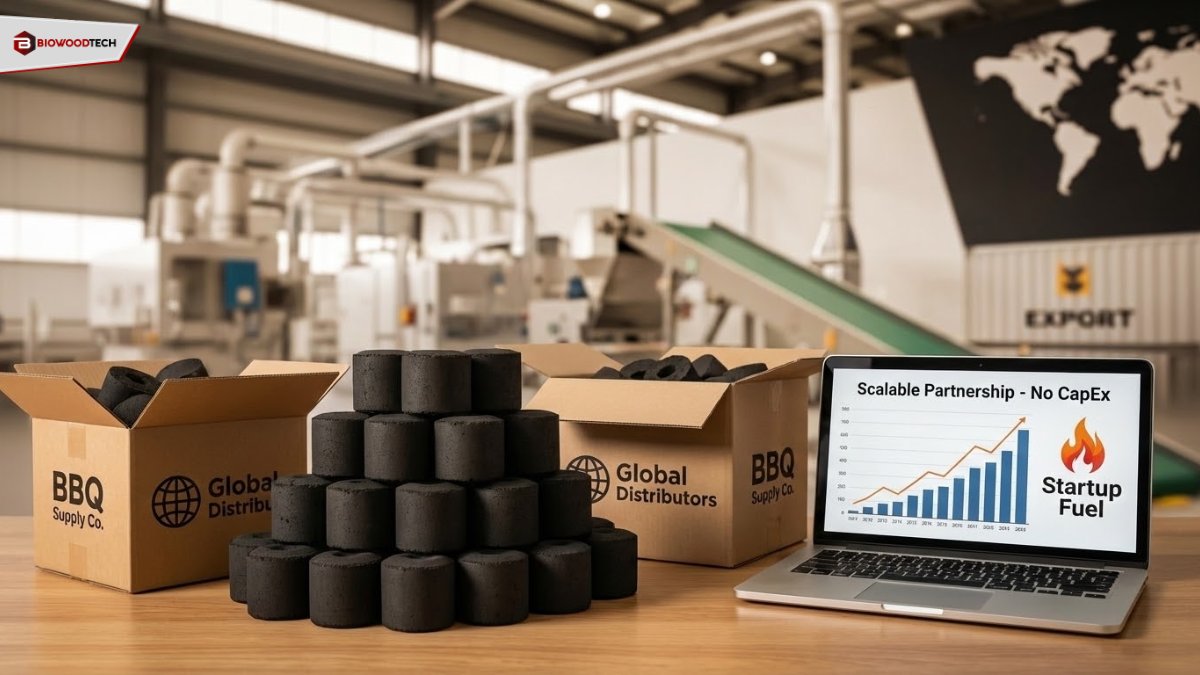
- Distributors prefer sawdust briquettes for their uniform packaging and lower shipping breakage rates.
What Makes Malaysian Sawdust Charcoal the “Gold Standard” for Commercial Kitchens?
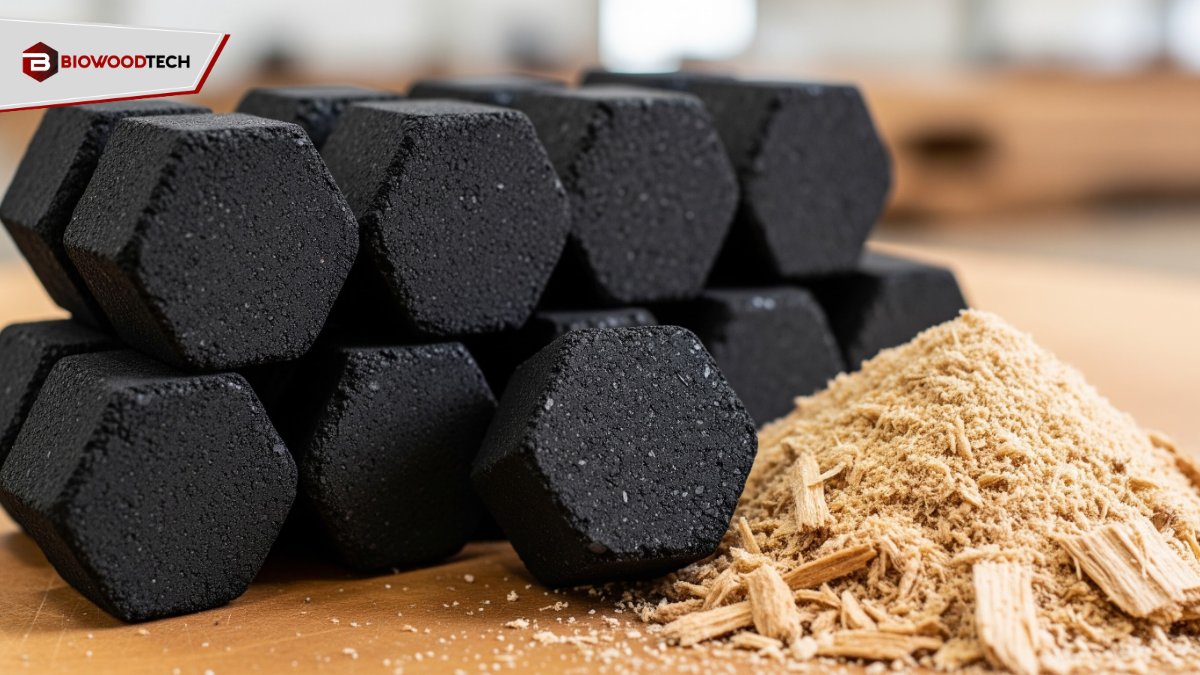
The short answer: It combines the high caloric value of tropical hardwood with precision engineering. Unlike traditional arang kayu (wood charcoal) which varies in size and burn rate, Malaysian sawdust charcoal is compressed into high-density hexagonal briquettes that deliver consistent, smokeless heat for over 5 hours—making it the preferred choice for professional grills and export markets.
🧾 Traditional Lump vs. Sawdust Briquette Comparison
| Feature | Traditional Arang Kayu (Lump) | Malaysian Sawdust Charcoal (Briquette) |
| Raw Material | Whole logs (Mangrove/Rubber) | Compressed hardwood sawdust |
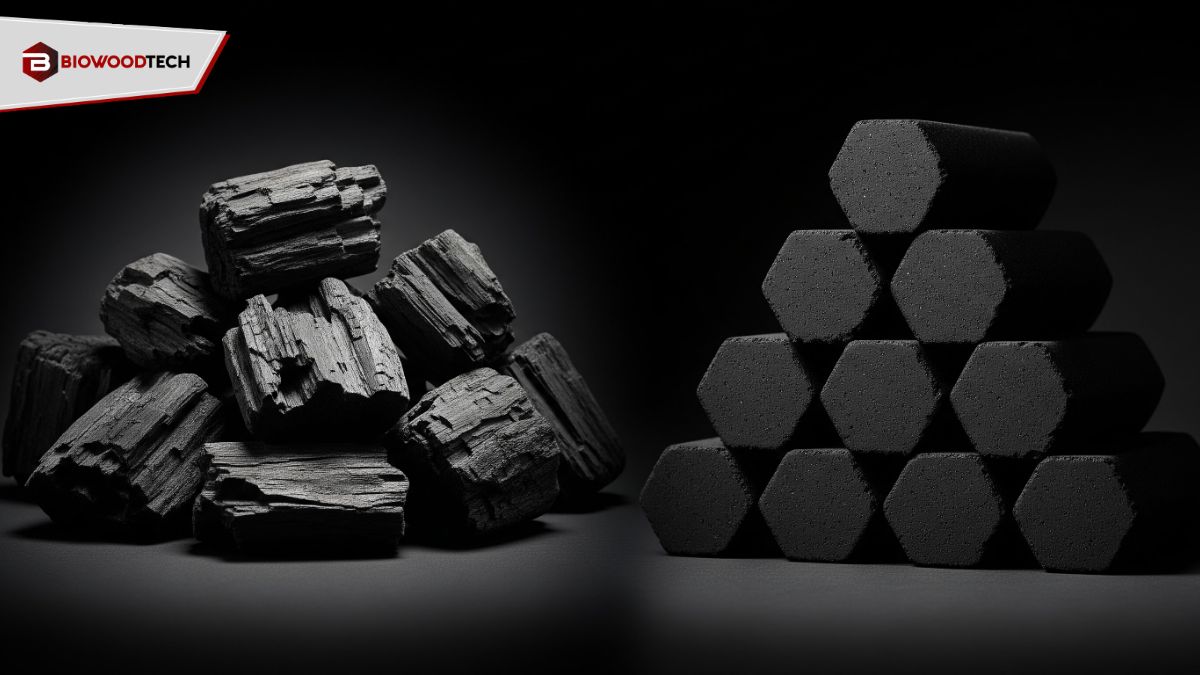
| Shape | Irregular, natural chunks | Uniform hexagonal tube |
| Burn Time | 1.5 – 3 Hours | 4 – 6+ Hours |
| Heat Consistency | High fluctuation | Stable, steady output |
| Ash Content | High (light ash) | Low (dense ash) |
| Smoke/Odor | Moderate smoke | Smokeless & Odorless |
| Best For | Quick grilling, traditional aroma | Commercial kitchens, long-service BBQ |
Why is Mangrove Wood Prized for Charcoal?
Mangrove wood (Bakau) is chemically superior for combustion, but sustainability is the modern challenge.
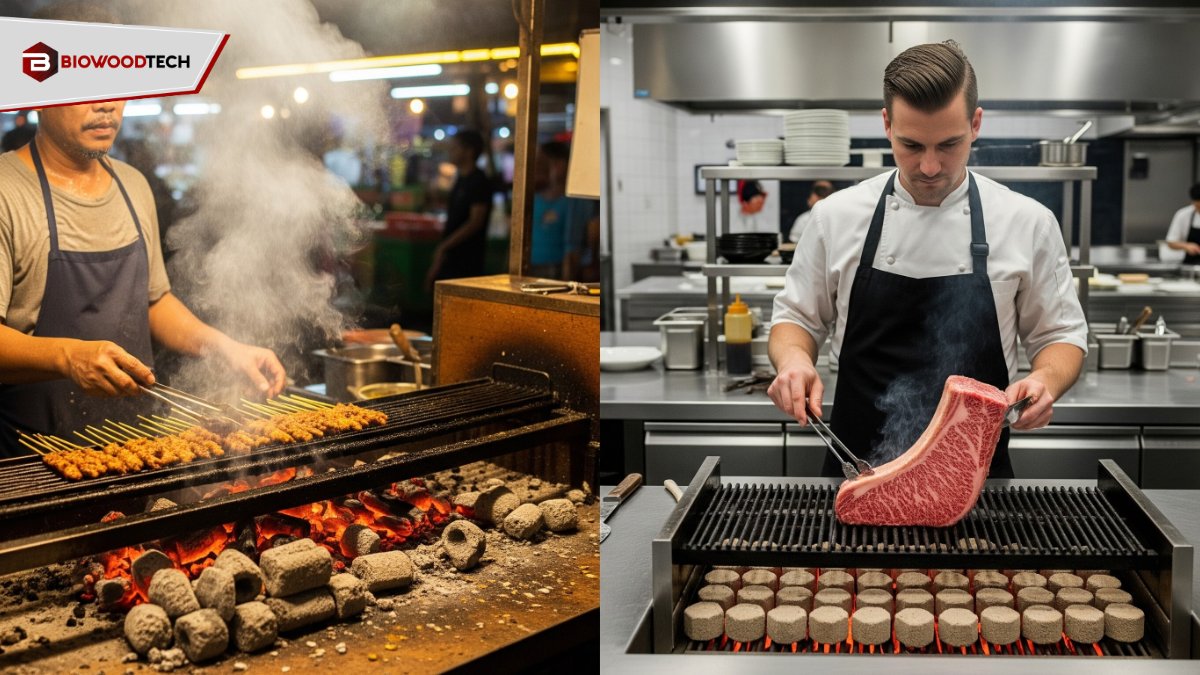
Historically, Malaysia—specifically the Matang Mangrove Forest Reserve—has been famous for producing arang kayu bakau. The wood is exceptionally dense and possesses a complex structure that, when carbonized, creates charcoal with a metallic ring and high heat retention. It was the original “premium” fuel for street food and satay.
However, relying solely on harvested mangrove logs has limitations:
- Harvesting Restrictions: Strict quotas exist to protect coastal ecosystems from erosion.
- Inconsistency: Natural logs have knots and moisture pockets that cause sparking or uneven burning.
This is where sawdust charcoal excels. It utilizes the waste product (sawdust) of these premium tropical hardwoods without cutting down new trees specifically for fuel. It retains the high calorific value of the wood species but removes the unpredictability.
How Does Traditional Kiln Carbonisation Differ From Factory Briquetting?
The difference lies in control: one relies on nature and time, the other on pressure and precision.
Traditional Kiln Carbonisation
In the traditional method, whole logs are stacked inside “igloo-like” brick kilns. The process is slow—often taking 30 to 40 days to cycle through drying, carbonization, and cooling.
- The Result: “Lump” charcoal that retains the original shape of the branch. While excellent, the yield is lower (around 20%), and the pieces are irregular, making it difficult for restaurants to predict fuel costs.
Factory Briquetting (The Biowoodtech Way)
Modern production involves drying raw sawdust to extremely low moisture levels before compressing it under immense pressure into hexagonal rods. Only then is it carbonized at high temperatures (up to 800°C).
- The Result: A carbon-pure rod with a central hole that facilitates airflow. Because the density is artificially increased during compression, a single briquette contains more potential energy than a natural log of the same size. For distributors, this means shipping more “heat” per container and less “air.”
Does “Arang Kayu” Always Mean Lump Charcoal?
Linguistically, yes—but the market definition is evolving.
In strict Malay terms, arang means charcoal and kayu means wood. So, arang kayu implies charcoal made directly from wood logs (lump charcoal). If you go to a local kedai runcit (grocery store) and ask for arang kayu, you will likely get a bag of black, irregular wood chunks.
However, in the professional sector, the terminology is shifting. Suppliers and chefs often refer to sawdust briquettes as “Arang Briket” or “Sawdust Charcoal” to distinguish it from the lower-grade lump options.
- Grade A Sawdust Charcoal: Often sold as premium BBQ charcoal, this is the top-tier “arang” used by Japanese and Korean BBQ restaurants.
- Grade C: Shorter pieces of the same high-quality material, often used by hawkers who need faster ignition than the dense Grade A logs.
For suppliers, it is crucial to clarify this distinction. Selling “arang kayu” to a client expecting smokeless briquettes can lead to dissatisfaction due to the smoke and sparks associated with traditional lump charcoal.
Still unsure which grade fits your supply chain?
Biowoodtech specializes in grading charcoal for specific commercial needs. Explore our Grade A to C Catalogue Here.
Conclusion: The Future is Engineered Carbon
While traditional arang kayu holds a nostalgic place in Malaysian culinary history, the future of commercial grilling belongs to sawdust charcoal. It honors the legacy of Malaysian tropical hardwood by using every gram of waste to create a fuel source that is cleaner, hotter, and more sustainable. For distributors, the switch to sawdust briquettes isn’t just an eco-friendly move—it’s a logistical upgrade that guarantees consistency for your customers.
FAQs About Malaysian Charcoal
Grade A consists of long, unbroken hexagonal rods (perfect for long services), while Grade B includes medium-length pieces that offer the same heat quality but at a more economical price point.
The hole is not for aesthetics; it increases the surface area exposed to oxygen, allowing the dense briquette to burn evenly from the inside out and the outside in.
Yes. Because it is carbonized at high temperatures and contains no chemical binders or moisture, it burns without the white smoke associated with damp lump charcoal.
Due to their high density, they take longer to light than lump charcoal. It is best to use a gas torch or a chimney starter. Avoid lighter fluid to maintain the flavor purity.
Absolutely. It provides a stable base heat that lasts for hours, allowing you to add wood chips (like hickory or apple) for flavor without constantly refueling.
You can find more detailed comparisons and usage tips for all your grilling needs in our guide on What Type of Charcoal Is Best for a Barbeque? Its Surprising!
Per kilogram, traditional lump arang kayu is often cheaper. However, because sawdust charcoal burns 2-3 times longer, the “cost per hour” of cooking is frequently lower with sawdust briquettes.