Key Takeaways
- Converting timber waste into high-density briquettes reduces landfill burden and lowers carbon emissions
- Biomass briquettes deliver consistent 7,500–7,800 kcal/kg heat for up to six uninterrupted hours
- Utilizing sawdust byproducts prevents the ecological damage associated with harvesting live mangrove trees
- Commercial kitchens benefit from smokeless, low-ash fuel that cuts down on equipment maintenance
- A closed-loop system turns industrial wood residue into a highly valuable, renewable energy resource
How does biomass waste to energy work in Malaysia’s timber industry?
Biomass waste to energy in Malaysia involves collecting discarded tropical hardwood sawdust and compressing it into high-density charcoal briquettes without chemical binders. Paying high fuel costs while usable timber residue rots in landfills hurts both your margins and the local environment. You will learn exactly how Biowoodtech transforms industrial wood scraps into premium, sustainable fuel for commercial operations.
Fuel Source Comparison: Traditional vs. Biomass
| Fuel Type | Source Material | Average Burn Time | Ash Residue | Environmental Impact |
| Traditional Mangrove Charcoal | Coastal mangrove forests | 2 – 3 Hours | Medium to High | Negative (Contributes to coastal erosion) |
| Biowoodtech Grade A Briquettes | Recycled hardwood sawdust | Up to 6 Hours | Very Low (2% – 4%) | Positive (Diverts industrial waste) |
| Raw Wood Scraps | Discarded timber | < 1 Hour | High | Negative (Inefficient burn, high smoke) |
How Does the Biomass Waste to Energy Process Actually Work?
Transforming raw timber residue into clean-burning fuel requires high-pressure extrusion and precise carbonization.
Furniture factories across Malaysia generate tons of tropical hardwood sawdust daily. Instead of treating this material as a disposal liability, it is collected, filtered, and dried to achieve strict moisture levels.
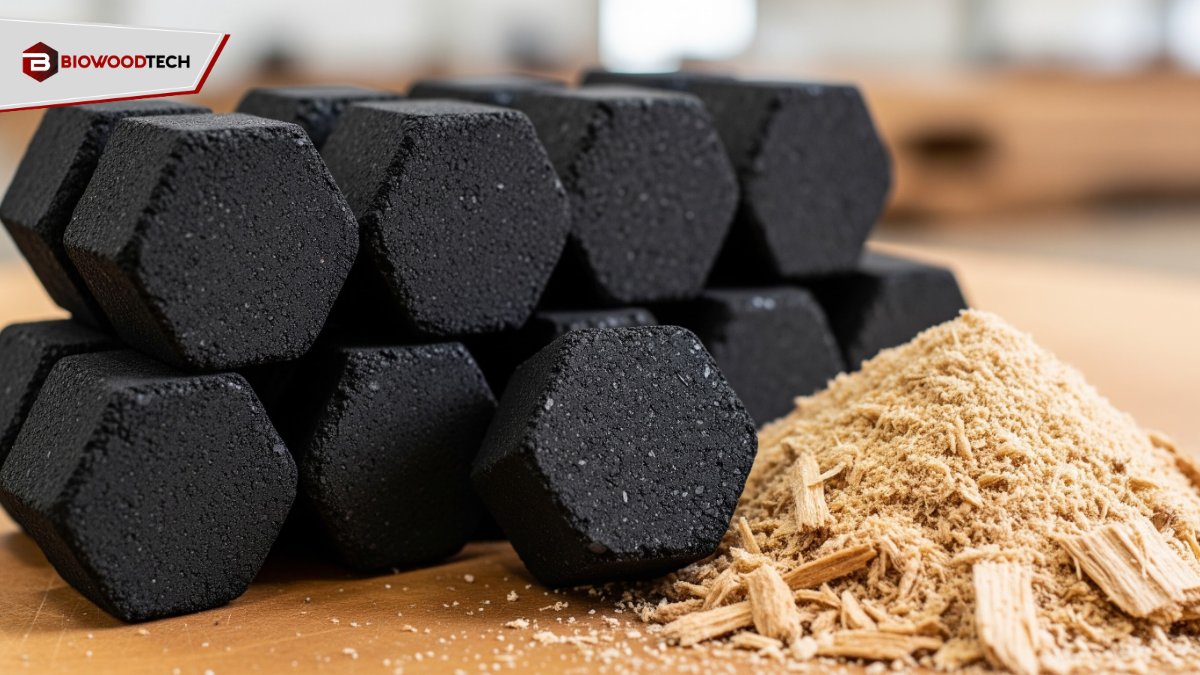
High-pressure screw extruders then compress the loose sawdust into dense hexagonal logs. Specially designed kilns bake these logs over several days to remove volatile compounds, leaving behind pure carbon.
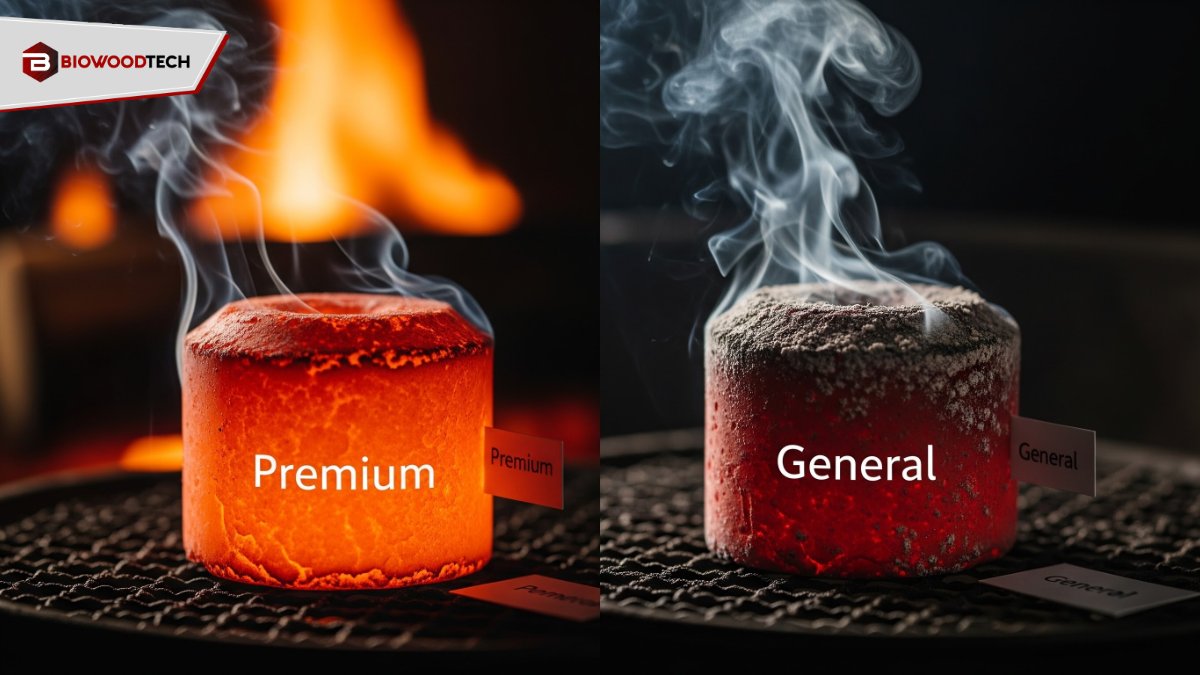
Biowoodtech’s charcoal manufacturing process yields briquettes with an 81% to 85% carbon content. This ensures maximum energy output and a completely smokeless burn, achieving high performance entirely without chemical binders.
What Are the Real-World Benefits for Commercial Kitchens?
Restaurants and caterers achieve better cooking consistency while actively lowering long-term fuel expenses.
Standard lump charcoal burns out quickly and unevenly, forcing chefs to constantly refuel grills during busy dinner services. This disrupts temperature control, wastes labor hours, and generates excessive smoke in the dining area.
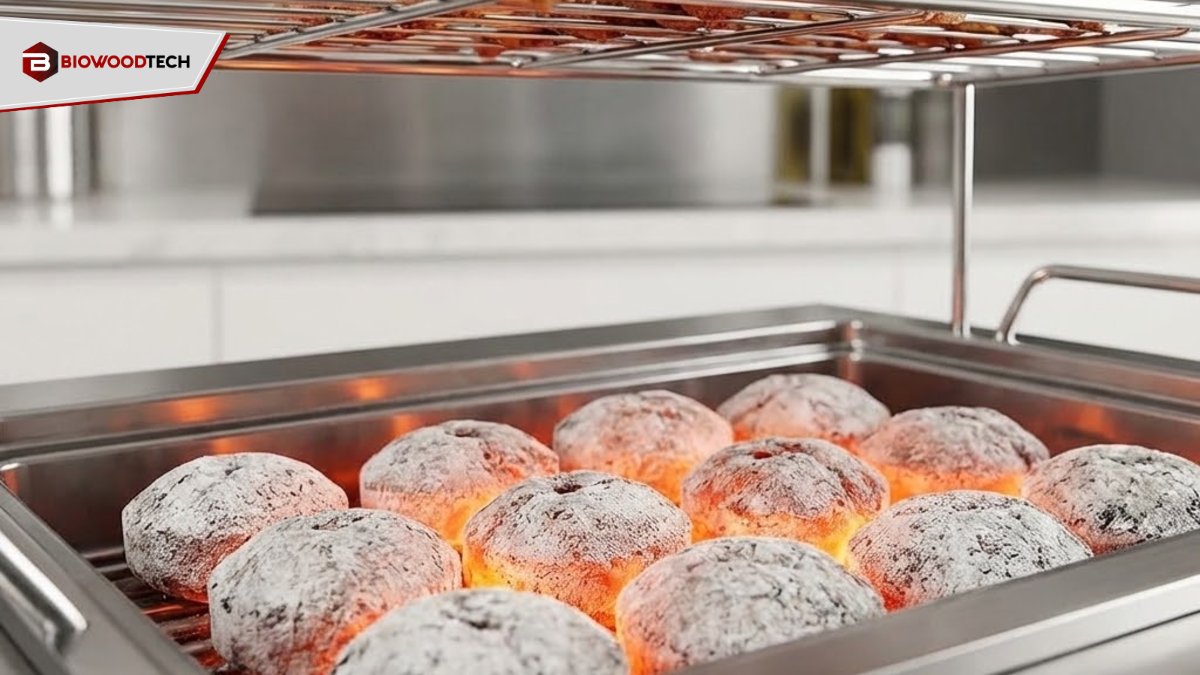
Biomass sawdust briquettes maintain a steady temperature above 100 degrees Celsius for up to six hours. They are completely odorless and leave behind only 2% to 4% ash, simplifying the cleanup process.
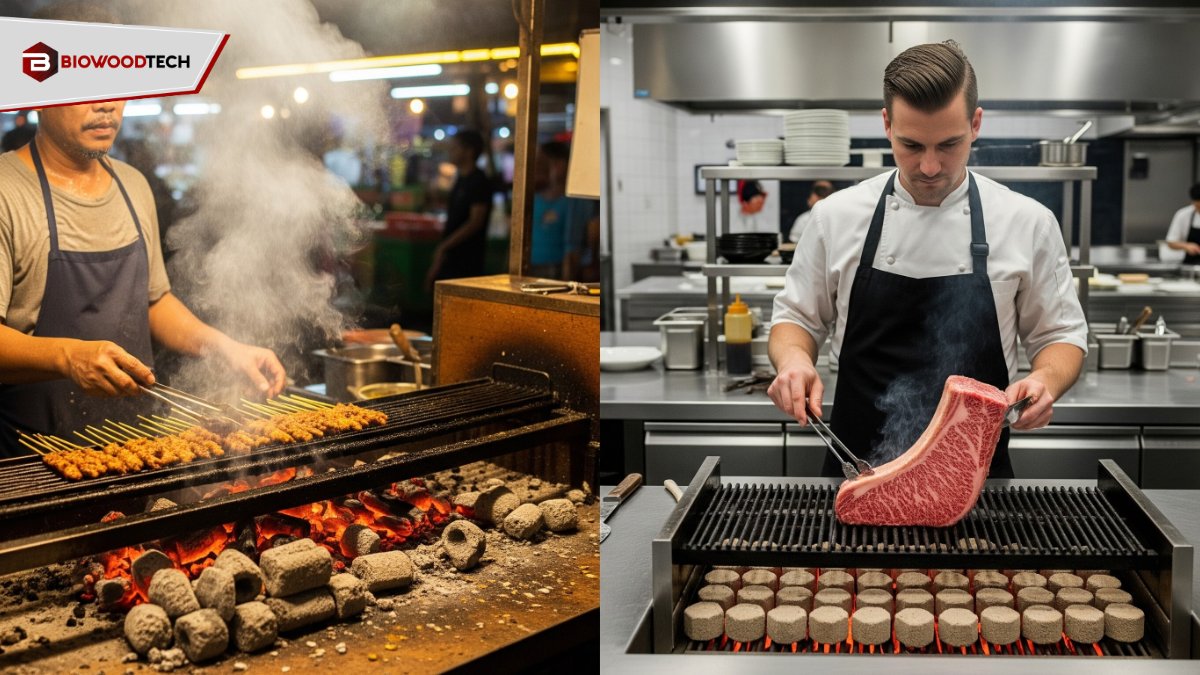
Real-Life Scenario: For busy yakitori grills and traditional satay vendors, minimal ash production means faster turnover between batches and reduced daily maintenance for grills and ventilation hoods.
Read More: Charcoal Provider Checklist: 10 Questions Before You Order
Why Is a Circular Economy Vital for the Timber Industry?
A closed-loop system prevents resource depletion by giving industrial byproducts a profitable second life.
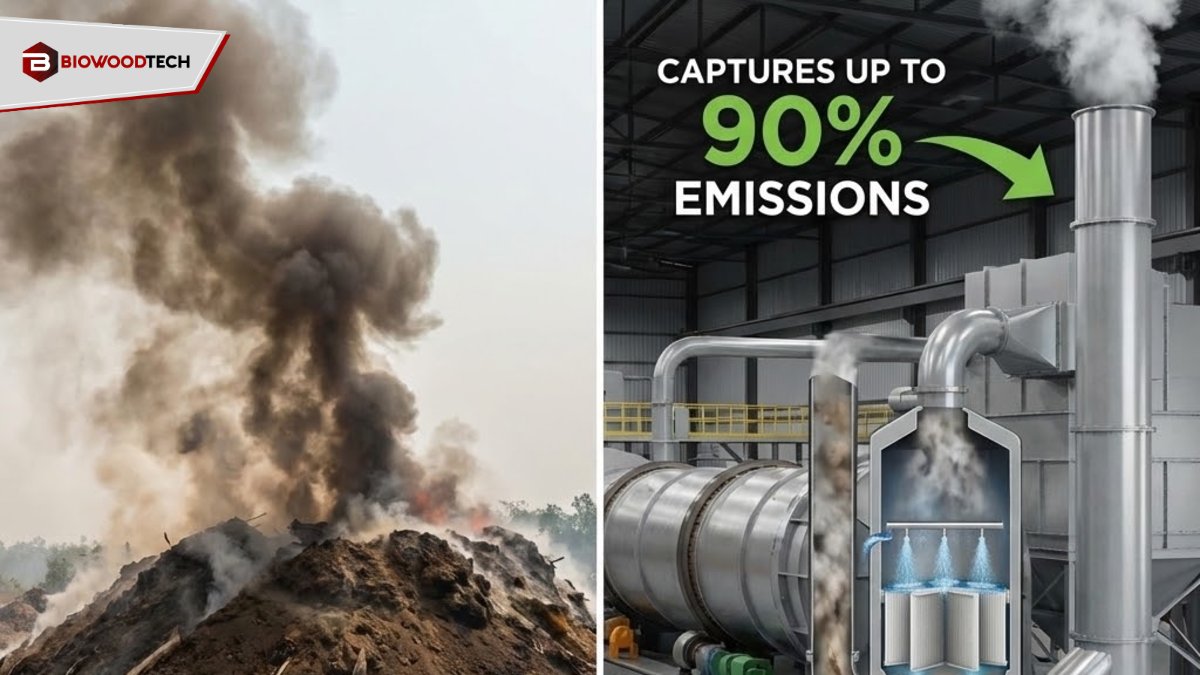
Malaysia’s robust wood manufacturing sector produces massive volumes of offcuts and sawdust. Disposing of this material via open burning or landfilling releases trapped carbon directly into the atmosphere and wastes a potent energy source.
By adopting a circular approach, we capture that stored energy. The manufacturing waste becomes the exact feedstock for a new industry, heavily reducing the commercial demand for raw timber and protecting fragile ecosystems.
If you manage a large-scale food operation, you can directly participate in this sustainable loop. Discover our circular economy model to see how sourcing responsible, high-performance fuel stabilizes your supply chain and protects the environment.
Ready to upgrade your grilling operations with sustainable fuel? The choice you make directly impacts both your kitchen’s efficiency and Malaysia’s environmental future.
Securing the Future of Biomass Waste to Energy in Malaysia
Converting industrial timber waste into high-grade charcoal briquettes proves that environmental responsibility and commercial performance can easily coexist. Embracing biomass waste to energy in Malaysia is the most effective way to secure reliable fuel while supporting sustainable manufacturing practices.
FAQs
It consists of 100% natural tropical hardwood sawdust collected from furniture manufacturing byproducts. This waste is compressed under immense pressure without any artificial binders.
Briquettes offer a much longer burn time (up to 6 hours), consistent high heat (7,500 kcal/kg), and produce significantly less smoke and ash compared to raw lump charcoal.
It intercepts industrial wood waste before it reaches landfills, converting it into a usable energy product. This completely prevents the cutting down of new trees for fuel.
No. The high-density compression and controlled carbonization process eliminate the pockets of trapped gas and moisture that cause traditional charcoal to spark.
Yes. Their smokeless and odorless burn makes them highly ideal for well-ventilated indoor grilling stations, steamboat restaurants, and open-concept kitchens.
Store the briquettes off the floor in a sealed, airtight container. Keep the container in a cool, dry room to prevent moisture absorption and maintain ignition quality.