Key Takeaways
- Sawdust charcoal is the most sustainable option in Malaysia, utilizing 100% industrial wood waste.
- Mangrove charcoal remains popular for flavor but requires strict MTCS/FSC certification to ensure legal sourcing.
- New 2026 Carbon Tax policies will likely increase costs for non-sustainable fuel sources, favoring biomass briquettes.
- Hexagonal briquettes offer a longer burn time (4–6 hours) and consistent heat compared to traditional lump charcoal.
- Johor’s mangrove restoration projects are actively limiting harvest zones, making certified sourcing critical for buyers.
Where to find sustainable, high-heat charcoal in Malaysia without contributing to deforestation.
Finding truly eco-friendly charcoal in Malaysia means looking beyond the bag’s label and understanding the source—whether it’s compressed industrial sawdust waste or responsibly harvested mangrove timber. As Malaysia implements stricter carbon policies in 2026, switching to biomass charcoal isn’t just an ethical choice; it’s a cost-effective move for satay stalls, BBQ restaurants, and home grillers looking for consistent high heat.
🧾 Quick Comparison: Which Charcoal is Right for You?
| Feature | Sawdust Briquette (Hexagon) | Mangrove Charcoal (Bakau) | Coconut Shell Briquette |
| Sustainability | ⭐⭐⭐⭐⭐ (Best) | ⭐⭐ (Requires Certification) | ⭐⭐⭐⭐ (Good) |
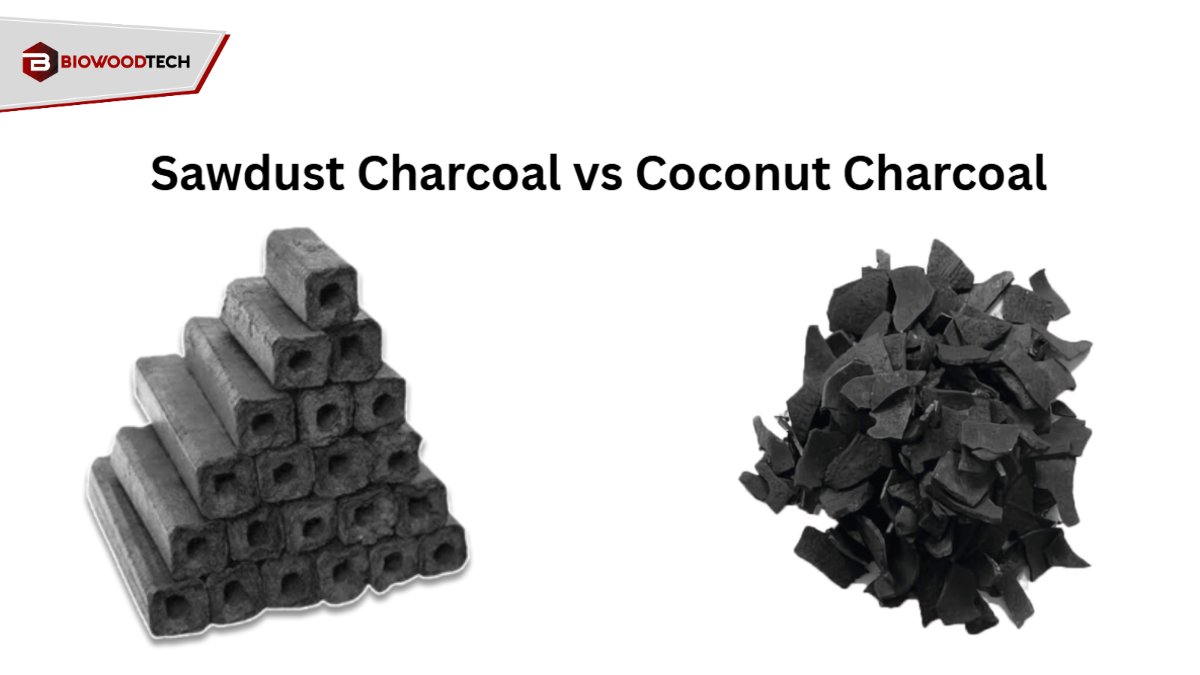
| Main Source | Recycled furniture wood waste | Coastal mangrove forests | Coconut agricultural waste |
| Burn Time | 4 – 6 Hours | 2 – 3 Hours | 3 – 5 Hours |
| Heat Consistency | Very High (Uniform density) | High (Natural variances) | Moderate |
| Smoke Level | Low (Smokeless) | Low to Medium | Low |
| Best Use | Restaurants, Long BBQ sessions | Traditional satay, Flavor enhancing | Shisha, Small grills |
Is Sawdust Charcoal Truly Sustainable?
Yes, because it diverts existing industrial waste from landfills rather than cutting down live trees.
Sawdust charcoal is widely considered the “gold standard” for sustainable grilling in Malaysia. The production process takes wood waste (sawdust and wood chips) from furniture factories—material that would otherwise be discarded—and compresses it under immense pressure without chemical binders.
In 2026, this method aligns perfectly with Malaysia’s push toward a circular economy. By using high-temperature carbonization, manufacturers turn waste into “black gold” that burns hotter and cleaner than raw wood. For businesses, this means you are effectively buying a recycled energy product that contributes zero to new deforestation.
Top Charcoal Types in Malaysia (2026)
The following breakdown helps you choose the right fuel based on performance and environmental impact.
1. Sawdust Briquette Charcoal (Hexagon)
The top choice for eco-conscious businesses requiring long burn times.
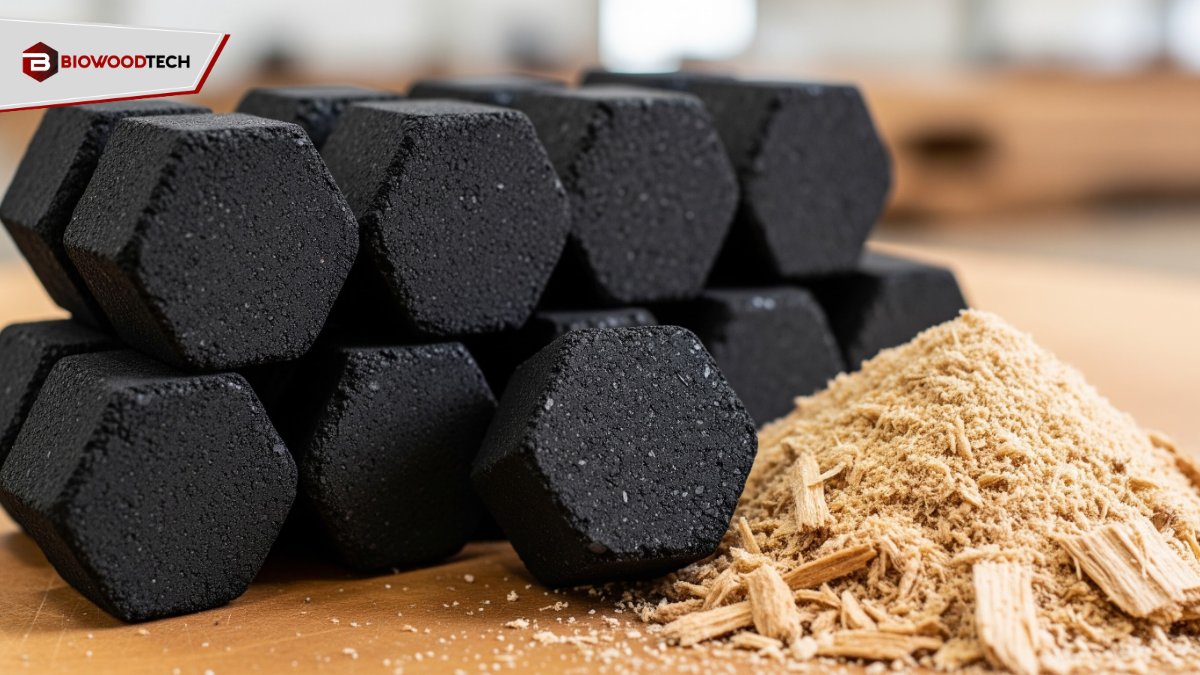
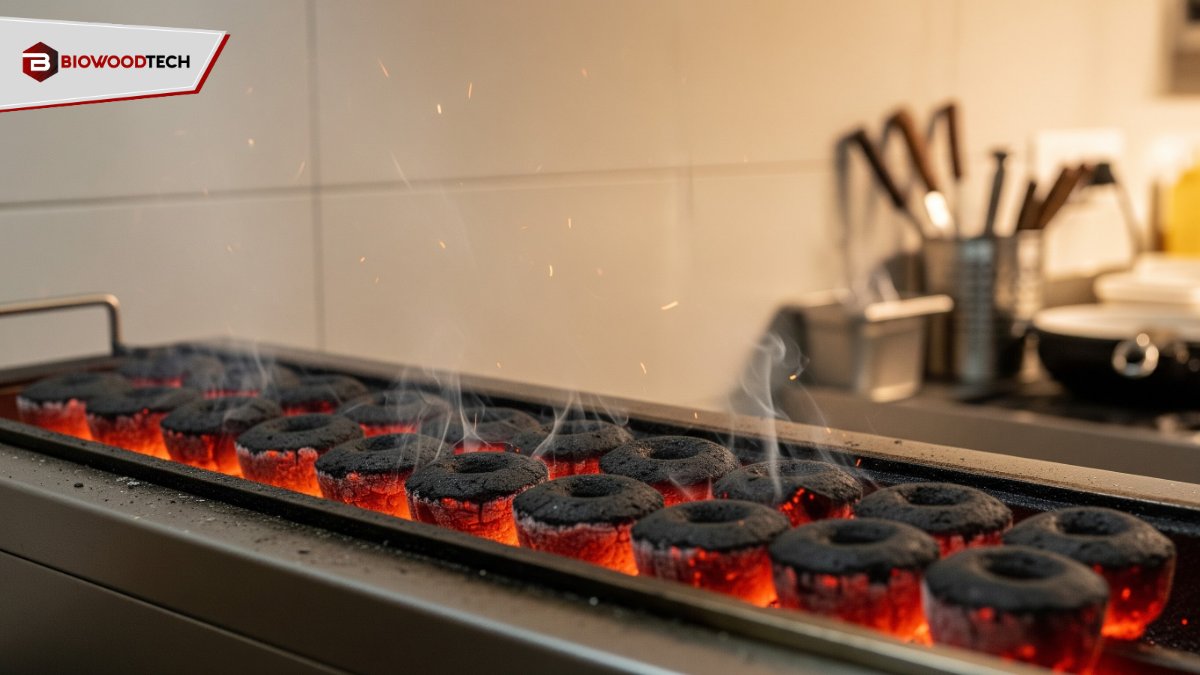
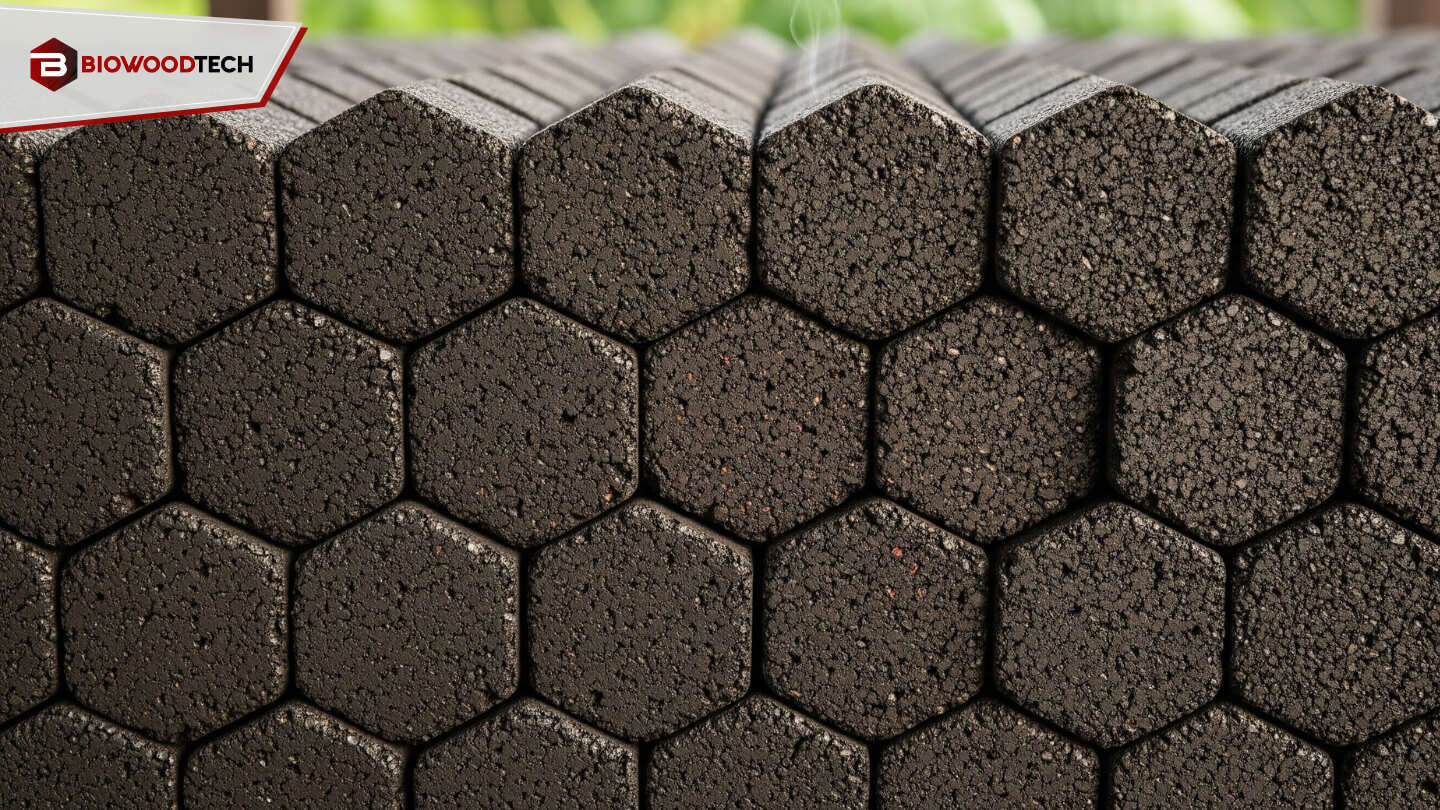
Sawdust briquettes are easily recognized by their hexagonal shape with a hollow center. This design isn’t just aesthetic; it allows for optimal airflow, creating a steady, smokeless burn that is favored by Korean BBQ joints and wholesale distributors.
- Ideal For: Commercial kitchens, steamboat restaurants, and long camping trips.
- Key Features:
- High Calorific Value: Burns at over 7,000 kcal/kg.
- No Sparks: Safe for indoor (ventilated) cooking.
- Zero Waste: 100% recycled biomass content.
- Sustainability Note: Look for brands like Biowoodtech that specialize in binder-free compression technology.
- Price Range: RM2.50 – RM4.00 per kg (Bulk).
2. Mangrove Charcoal (Arang Bakau)
The traditional favorite for authentic aroma, but sourcing matters.
Mangrove charcoal, often called “Arang Bakau,” is legendary in Malaysia for the distinct smoky flavor it imparts to food. However, it is the most controversial option due to the ecological importance of mangrove forests in protecting coastlines from erosion.
- Ideal For: Traditional Satay Kajang, high-end grilling, and flavor purists.
- Key Features:
- Aromatic: Adds a natural wood smoke flavor.
- Hot & Fast: Reaches high temperatures quickly.
- Water Resistant: Can be stored in humid conditions better than briquettes.
- Sustainability Warning: Only buy from suppliers with MTCS (Malaysian Timber Certification Scheme) or FSC tags. Illegal harvesting in zones like Kuala Sepetang and Johor is a significant issue.
- Price Range: RM3.00 – RM5.50 per kg.
How Will the 2026 Carbon Tax Affect Charcoal Prices?
Expect prices for non-sustainable fuels to rise, making biomass options more competitive.
With the Malaysian government introducing a Carbon Tax in 2026 targeting heavy emitters (initially steel and energy sectors), the ripple effects will hit the logistics and raw material supply chain.
- Traditional Charcoal: May see price hikes due to stricter logging permits and transport levies.
- Biomass/Sawdust Charcoal: Likely to remain stable or receive tax incentives as a “green” fuel source.
- Business Tip: Locking in contracts with a charcoal manufacturer that uses waste biomass now could hedge against future inflation in fuel costs.
Are Mangrove Forests Protected in Johor Sourcing?
Strict quotas are in place, but illegal harvesting remains a threat.
In Johor, specifically around the Sungai Pulai and Iskandar Puteri regions, mangrove forests are legally protected reserves. The state government and NGOs have launched restoration projects, such as the planting of Rhizophora saplings to bolster coastlines.
However, “leakage” in the supply chain still occurs. Ethical sourcing means asking your supplier hard questions:
- “Do you have a forestry transport pass?”
- “Is this batch from a gazetted production forest or a cleared development site?”
If a supplier cannot provide documentation, it is likely the charcoal was harvested illegally, contributing to the degradation of Malaysia’s natural flood barriers.
For bulk orders of certified sustainable sawdust briquettes, contacting a direct manufacturer is often the most cost-effective route for Malaysian businesses in 2026.
FAQs About Eco-friendly charcoal
Sawdust briquette charcoal is the most eco-friendly option. It is made 100% from recycled industrial wood waste, meaning no new trees are cut down for its production.
The hole increases the surface area exposed to the flame and improves airflow. This design allows the charcoal to ignite faster and burn evenly from both the inside and outside.
No, it is not banned, but it is heavily regulated. Producers must operate within designated “production forests” (like Matang Mangrove Forest Reserve) and adhere to strict replanting quotas.
Sawdust charcoal typically burns for 4 to 6 hours, whereas regular lump charcoal burns for about 1.5 to 2.5 hours. This makes briquettes cheaper per hour of cooking.
For those calculating fuel needs for a specific event, understanding how long does 2kg bbq charcoal last can help in planning efficiently to ensure you don’t run out of heat mid-grill.
Yes, because high-density briquettes are harder to light than soft lump charcoal. It is recommended to use a chimney starter or solid fire starter cubes rather than just newspaper.
Look for reputable charcoal manufacturers or hardware suppliers that display their MTCS or MyHIJAU certification on the packaging.