Key Takeaways
- Sourcing eco-friendly charcoal requires strict compliance with Malaysia’s Environmental Quality Act to control factory emissions
- MS 2567:2019 sets quality benchmarks for briquettes but remains voluntary for export unless specified by your buyer
- Shipping arang kayu globally mandates a verified 14-day weathering process and a laboratory-approved self-heating certificate
- Sawdust charcoal producers can monetize verified emission reductions through the Bursa Carbon Exchange voluntary carbon market
- OEM services allow brands to scale custom production without investing heavily in kiln infrastructure or state-level licensing
How do Malaysian regulations shape the export and production of sustainable charcoal?
Malaysian regulations enforce strict air emission controls, mandatory shipping safety protocols, and voluntary quality benchmarks to ensure biomass fuel is produced safely.
Turning timber waste into high-demand fuel sounds highly profitable, until your cargo gets rejected at the port for missing a single weathering certificate. Understanding the legalities of manufacturing and exporting biomass fuel protects your supply chain and creates opportunities for carbon credit incentives.
Charcoal Export & Manufacturing Compliance Table
| Certification / Regulation | Best For | Key Requirement | Export Status | Notes |
| MS 2567:2019 | Quality Control | Caloric value & ash limits | Voluntary | Frequently requested by premium B2B buyers. |
| Self-Heating Certificate | Ocean Freight | Lab-tested combustion risk | Mandatory | Required by shipping lines like Maersk. |
| Clean Air Regulations 2014 | Local Manufacturing | Smoke & emission limits | Mandatory | Enforced by the Department of Environment. |
| Bursa Carbon Exchange | Sustainability | Verified GHG reduction | Voluntary | Links biomass processing to tradeable credits. |
What Malaysian Standards Govern Charcoal Production?
Manufacturing arang kayu requires adherence to national environmental and industry-specific frameworks.
The Department of Environment strictly monitors charcoal kilns under the Environmental Quality (Clean Air) Regulations 2014. Facilities must control dark smoke and limit air impurities to avoid heavy penalties and operational shutdowns.
Additionally, the Wood-Based Industries Act regulates the physical establishment of briquette plants and kilns. Operating a commercial sawdust charcoal facility requires proper state-level licensing and routine compliance checks.
Regulatory Insight: Existing kilns must routinely audit their air pollution control systems and submit performance monitoring records to maintain their manufacturing licenses in Malaysia.
Is MS 2567:2019 Mandatory for Exporting Charcoal?
MS 2567:2019 serves as a quality benchmark rather than a strict legal requirement for international shipping.
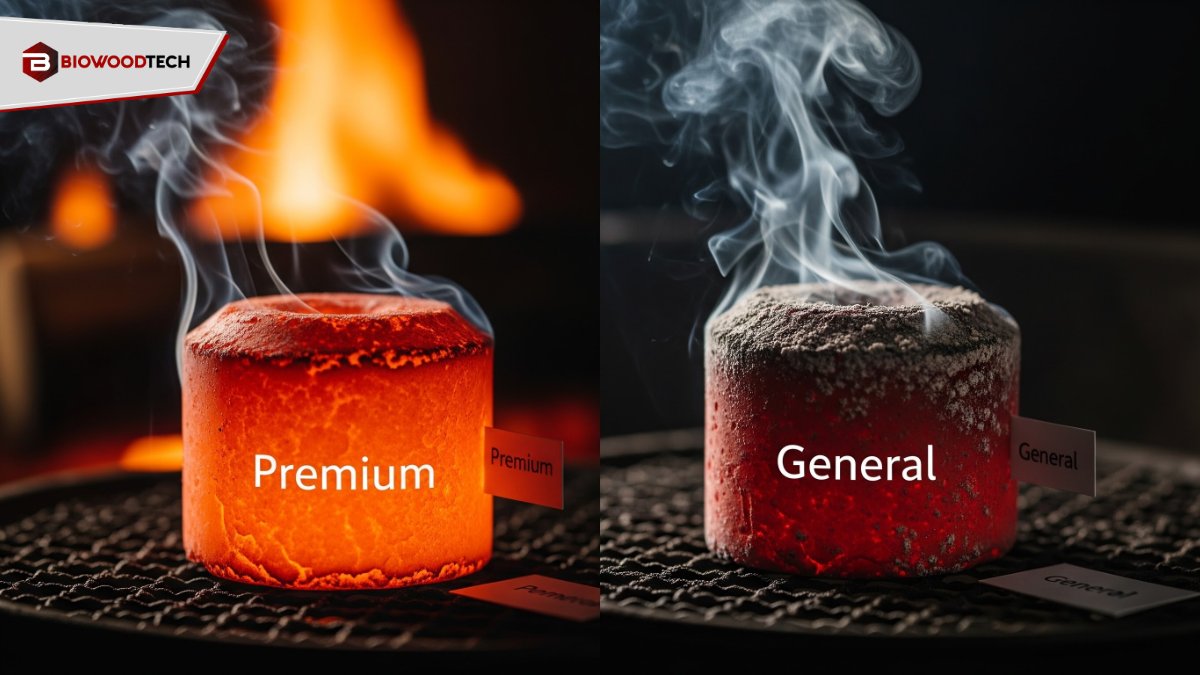
This specific Malaysian Standard outlines the physical and chemical testing methods for charcoal products. It guarantees consistency in moisture levels, ash content, and overall burning efficiency for commercial and residential use.
Customs authorities and shipping lines do not legally mandate this standard for export clearance. Instead, freight carriers prioritize safety documentation, demanding a Vanning Certificate and proof of a 14-day open-air weathering process before packing.
Real-World Use Case: A European distributor sourcing eco friendly charcoal might write MS 2567:2019 compliance into their vendor contract to guarantee product quality, even though port authorities only ask for safety and origin declarations.
Read More: Top 5 Charcoal Myths Busted by Lab Data (2026)
How Are Carbon Credits Linked to Sustainable Charcoal?
Converting biomass waste into fuel creates opportunities to participate in Malaysia’s growing voluntary carbon market.
Sustainable charcoal production inherently diverts agricultural waste from landfills. By processing raw materials like wood offcuts into briquettes, manufacturers prevent methane release associated with natural timber decomposition.
These verifiable greenhouse gas reductions can be quantified and traded on platforms like the Bursa Carbon Exchange (BCX). Producers generate voluntary carbon credits, adding a secondary revenue stream to their operations while appealing to environmentally conscious buyers.
Market Stat Block:
- Global VCM Projection: The voluntary carbon market is expected to reach up to $40 billion by 2030.
- Local Application: Malaysian producers utilizing sustainable forestry waste are heavily favored for carbon offsetting projects.
Why Partner With a Charcoal Manufacturer in Malaysia for OEM?
Outsourcing production to an established facility bypasses the high barriers to entry in biomass manufacturing.
Building a compliant factory requires navigating strict environmental assessments, investing in emission control technologies, and securing skilled labor for kiln operations.
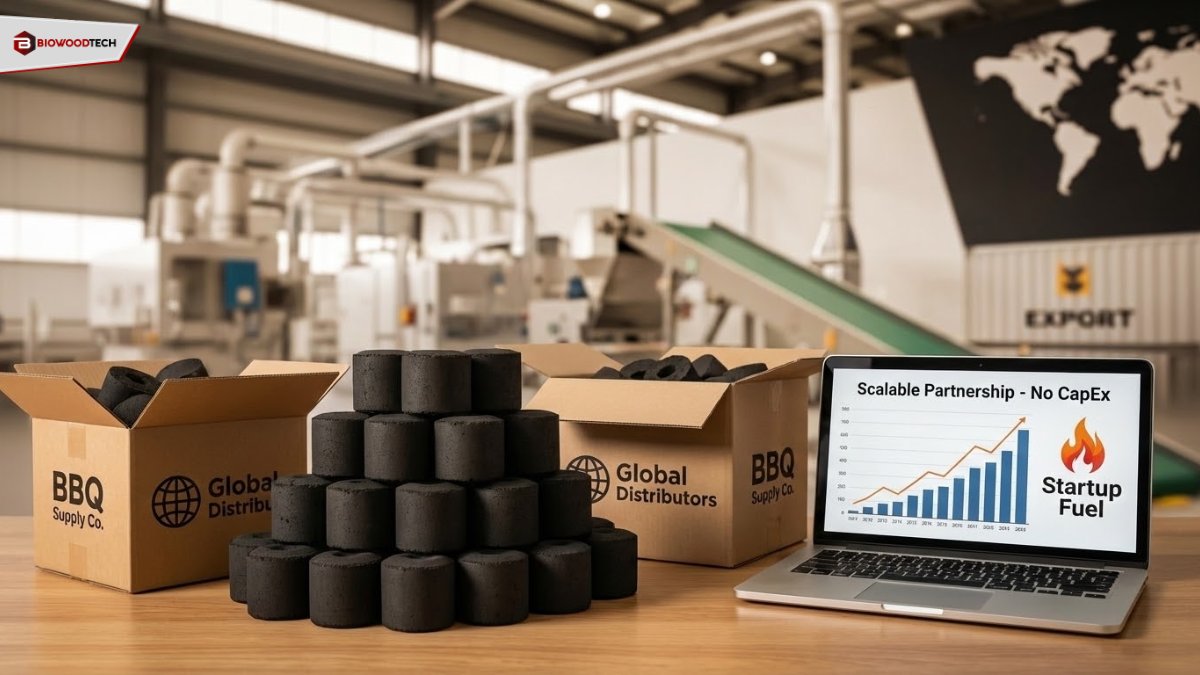
By utilizing OEM services, brands immediately access high-quality arang kayu formulated to their exact specifications. This allows businesses to focus entirely on distribution, marketing, and brand growth.
Ideal For: Startup brands, international distributors, and BBQ supply companies looking to scale their product lines without the capital expenditure of building a certified manufacturing plant.
Still unsure how to navigate export certifications? Partnering with the right OEM facility simplifies the entire compliance process.
Securing Your Future in the Eco-Friendly Charcoal Market
Managing the strict regulations around biomass fuel guarantees your export shipments clear customs without costly delays. By aligning with an experienced charcoal manufacturer malaysia, you secure consistent product quality while positioning your brand to capitalize on emerging sustainability trends and carbon incentives.
FAQs
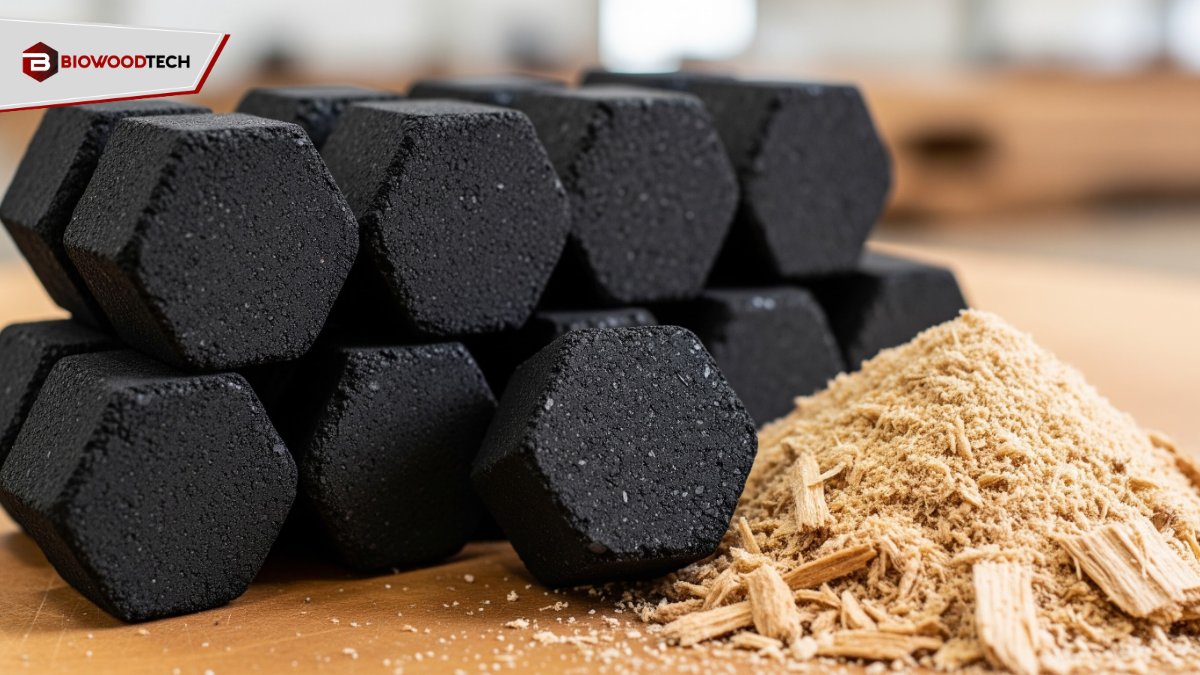
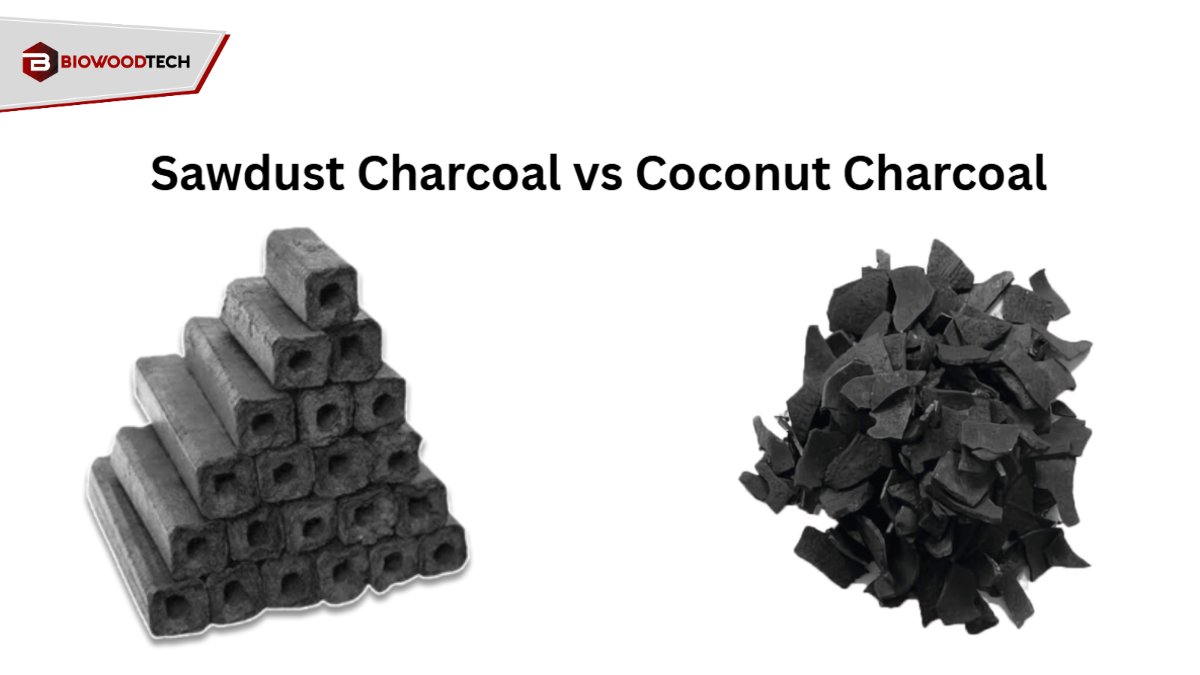
Manufacturers primarily use compressed sawdust, coconut shells, and recycled timber offcuts. This prevents deforestation and repurposes agricultural waste into high-caloric fuel.
A weathering certificate proves the charcoal was exposed to open air for at least 14 days before packaging. This cools the product and significantly reduces the risk of spontaneous combustion during ocean transit.
While voluntary, this standard guarantees the caloric value, moisture limits, and structural integrity of the briquettes, giving buyers confidence in the product’s burning performance.
No. Credits are only issued to operations that can verifiably prove they reduce greenhouse gas emissions, usually by diverting waste from landfills or utilizing certified sustainable forestry practices.
Yes. White-labeling allows startups to launch proprietary blends immediately, avoiding the massive capital expenditure required to build compliant kilns and secure environmental permits.
Exporters must provide a Material Safety Data Sheet (MSDS), a lab-tested Self-Heating Certificate, a Weathering Certificate, and an accurate Commercial Invoice detailing the product’s end-use.