Key Takeaways
- High-volume hawker stalls burn through 10kg to 15kg of charcoal daily, requiring cost-effective and long-lasting fuel sources.
- Michelin-starred kitchens dictate exact charcoal specifications, prioritizing minimal smoke and absolute temperature control for delicate flavor profiles.
- Temperature consistency always outperforms rapid peak heat, preventing raw centers and burnt exteriors during continuous service hours.
- Hexagonal sawdust charcoal provides steady, ash-free burning, making it the preferred choice for indoor commercial grilling environments.
- Switching to restaurant grade charcoal reduces kitchen labor by lowering the frequency of grill top-ups during peak dining rushes.
How Does Restaurant Grade Charcoal Change Your Kitchen’s Efficiency?
Restaurant grade charcoal delivers steady, prolonged heat, removing the need for chefs to constantly rebuild fires during a busy dinner rush.
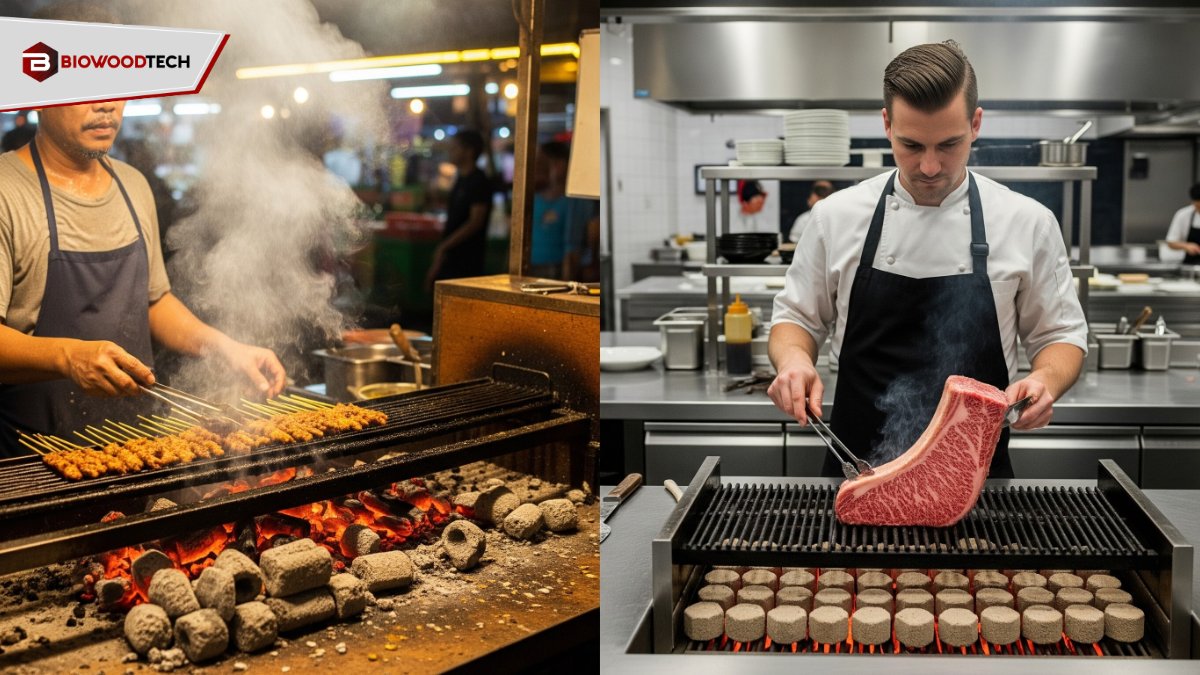
A perfectly charred satay stick and a premium grilled Wagyu steak share one invisible ingredient—the specific type of fire burning directly beneath them.
This guide breaks down exactly how different food and beverage setups select their fuel and why predictable heat dictates kitchen efficiency.
F&B Charcoal Usage Comparison
| F&B Setup | Best Charcoal Type | Daily Usage (Est.) | Priority | Cost Efficiency |
| Hawker Stall (Satay/Nasi Lemak) | Mixed Lump & Briquettes | 10kg – 15kg | Low cost, fast lighting | High |
| Casual Dining / Izakaya | Hexagonal Briquettes | 15kg – 20kg | Low smoke, steady heat | Medium-High |
| Fine Dining (Michelin) | Binchotan / Premium Sawdust | 5kg – 10kg | Zero chemicals, clean burn | Medium |
| Commercial BBQ Buffet | Sawdust Charcoal | 30kg+ | Long burn time, minimal ash | High |
How Much Charcoal Does a Nasi Lemak Stall Use Daily?
High-volume street food vendors rely on predictable fuel consumption to maintain their daily profit margins.
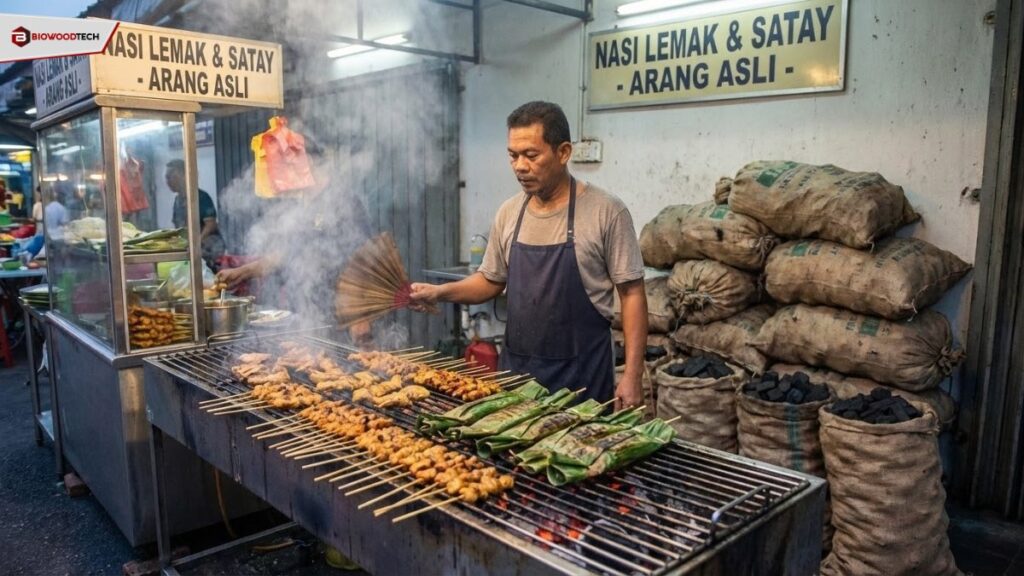
A typical nasi lemak or satay vendor operating a standard 4-foot grill uses between 10kg and 15kg of charcoal during a 6-hour shift. The primary focus here is keeping costs low while maintaining enough ambient heat to cook raw meat safely and quickly.
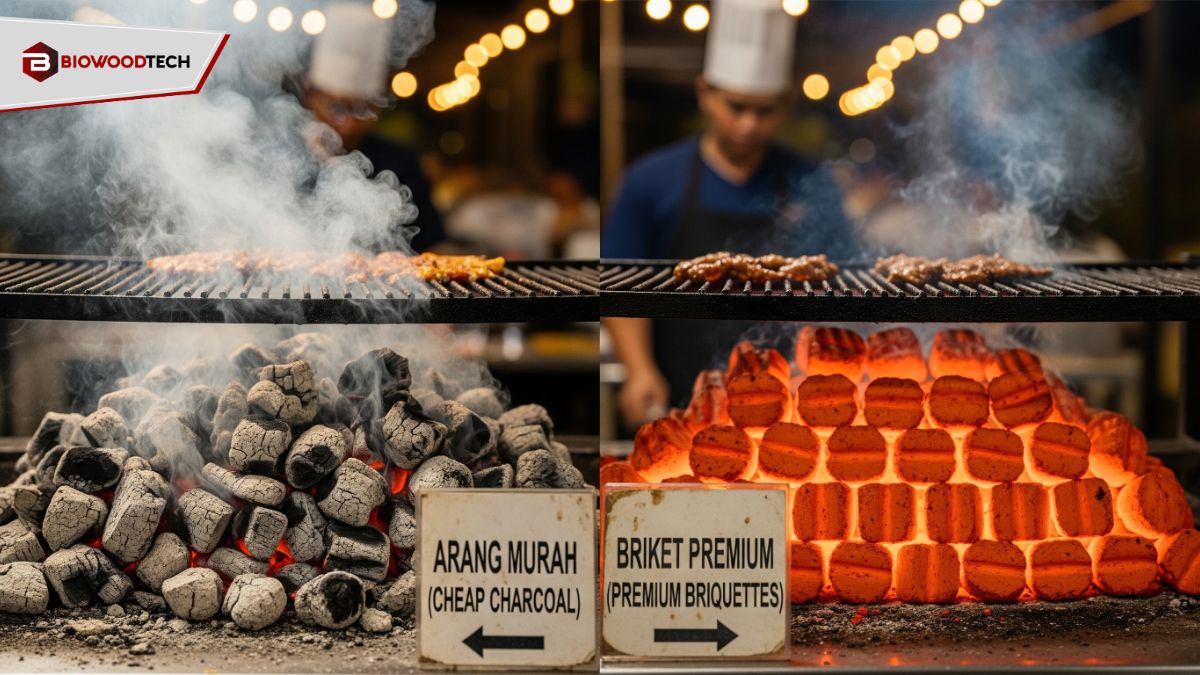
Many local hawkers prefer standard lump wood or affordable arang bbq because it lights fast. However, constant wind exposure means the fuel burns out quicker, requiring operators to keep backup bags ready.
Real-World Scenario: A busy satay stall selling 1,000 sticks a night usually refuels their grill every 45 minutes. Upgrading to higher-density briquettes acts as a labor-saving alternative, cutting refill times in half.
Do Michelin-Starred Restaurants Specify Their Charcoal Type?
Premium dining establishments require absolute control over their heat source, treating charcoal as a defined recipe ingredient.
Fine dining chefs do not leave their fire to chance. They specifically order restaurant grade charcoal with zero chemical binders. The goal is to avoid altering the natural flavor of expensive ingredients with unwanted smoke or toxic residue.
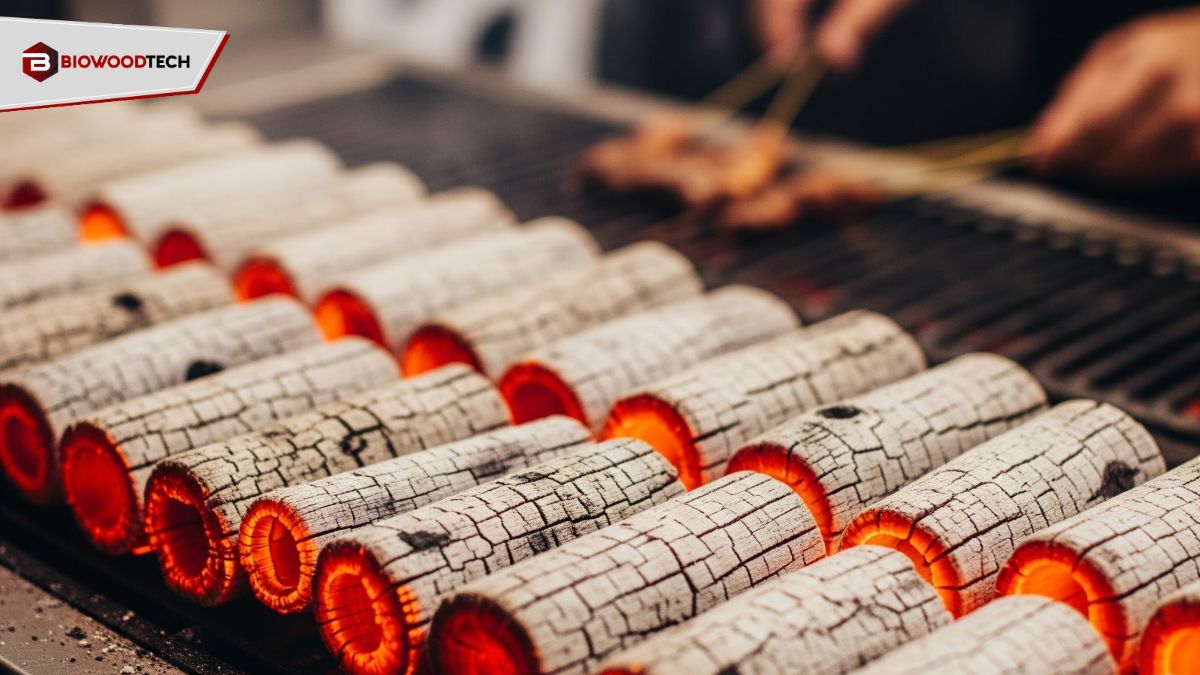
Kitchens utilizing specialized equipment like Josper ovens demand high-density fuel that produces minimal ash. Too much ash limits airflow in enclosed ovens, dropping temperatures unexpectedly midway through service.
“When cooking a RM500 cut of meat, the fuel cannot impart a bitter, chemical taste. The heat must be entirely neutral and intensely focused.” — Executive Chef, KL Premium Steakhouse.
Read More : 10 Benefits of Sawdust Charcoal: Why Chefs Switch to Briquettes (2026 Guide)
Why Is Consistency More Important Than Peak Heat?
A fire that flares up quickly will die down just as fast, creating unpredictable cooking environments for commercial kitchens.
While an intense burst of flames looks impressive, it causes inconsistent cooking. High peak heat chars the outside of a protein immediately but leaves the inside dangerously raw. Chefs prefer a slow, sustained burn that allows for controlled resting periods.
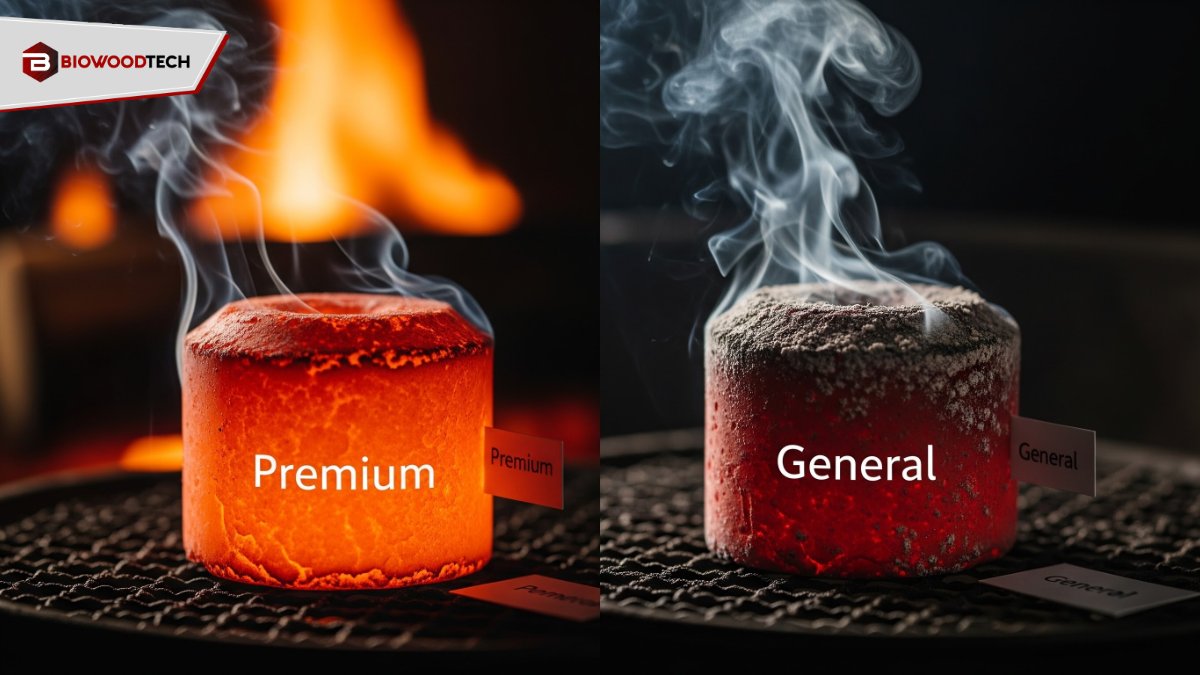
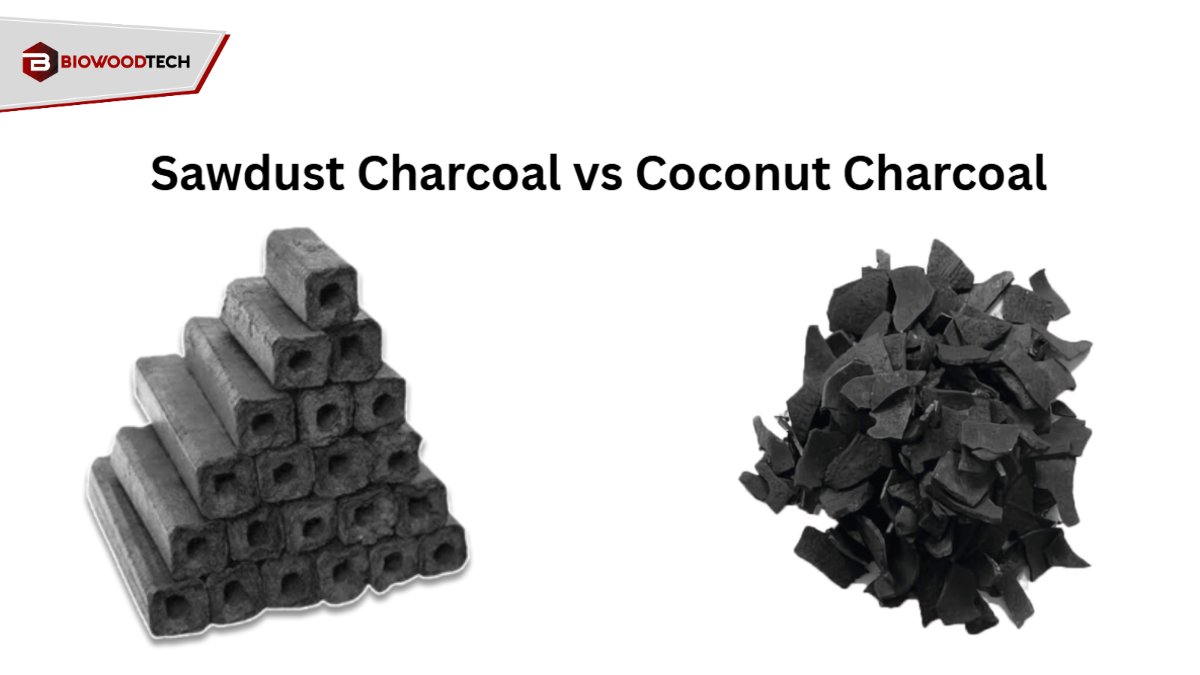
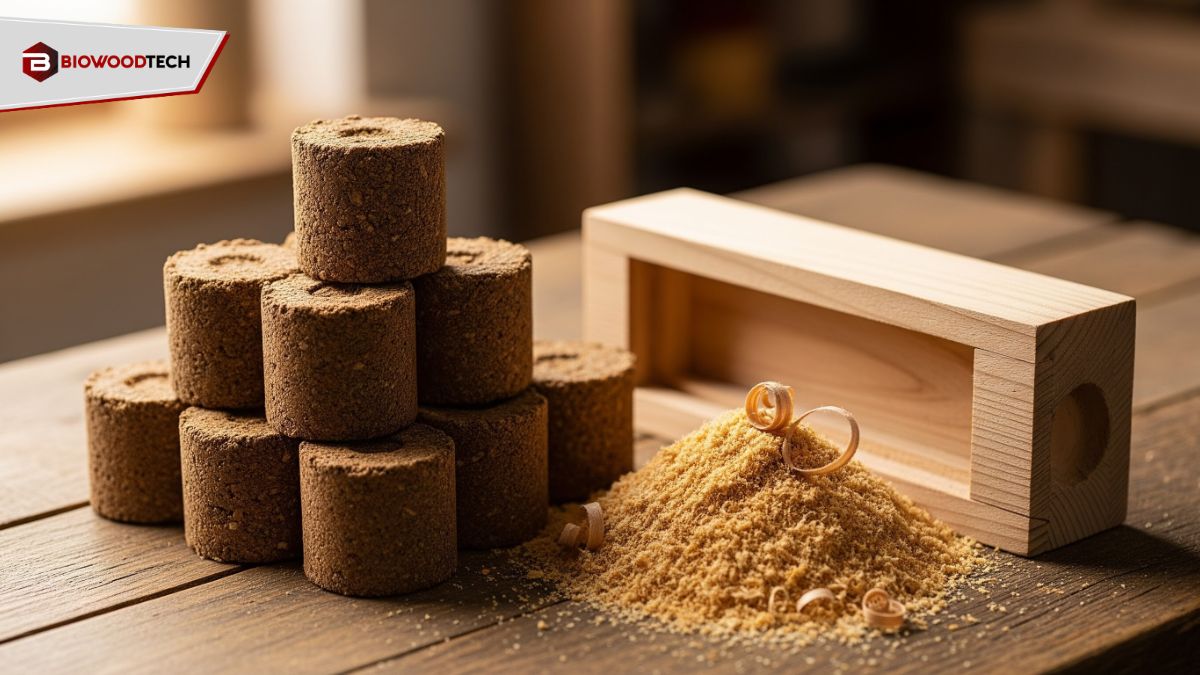
This is where sawdust charcoal excels. It is compressed under extreme pressure, meaning it burns at a steady 250°C to 300°C for hours rather than spiking to 400°C and dying out 30 minutes later.
Heat Retention Comparison:
- Standard Lump Charcoal: 45–60 minutes of stable heat.
- High-Density Sawdust Briquettes: 3–4 hours of stable heat.
How Do You Choose the Right Arang BBQ for Your Menu?
Matching your fuel to your specific menu items reduces waste and keeps kitchen operations running smoothly.
A Korean BBQ buffet needs a clean-burning, low-smoke option because the grills sit directly in front of the customer. A traditional roasting house requires heavier wood notes to penetrate thick cuts of duck or pork over several hours.
Testing different densities will show you exactly how your exhaust systems handle the smoke output. Upgrading your fuel supply directly impacts both food quality and kitchen morale.
Review specialized F&B charcoal options to match your kitchen’s specific heat requirements.
Still losing money on fast-burning fuel? Finding the right supplier stabilizes your daily operating costs.
Mastering Restaurant Grade Charcoal for Better Service
Sourcing the right charcoal for bbq directly influences how smoothly a kitchen operates during peak hours. From street-side hawkers managing tight margins to premium steakhouses demanding perfection, the right fuel keeps the focus on the food, not the fire. Explore Biowoodtech for reliable, long-burning commercial fuel solutions built for the food and beverage industry.
FAQs
It features high carbon content, burns for several hours, produces minimal ash, and contains zero chemical binders to prevent food contamination.
Vendors often use cheap, fast-lighting wood charcoal to start the fire, then add high-density briquettes to sustain the heat through the night.
It is manufactured by compressing wood dust without chemical glues, resulting in a denser, longer-lasting burn with highly predictable temperatures.
Yes, enclosed commercial ovens often need uniform, hexagonal logs to maintain steady airflow and prevent ash from smothering the embers.
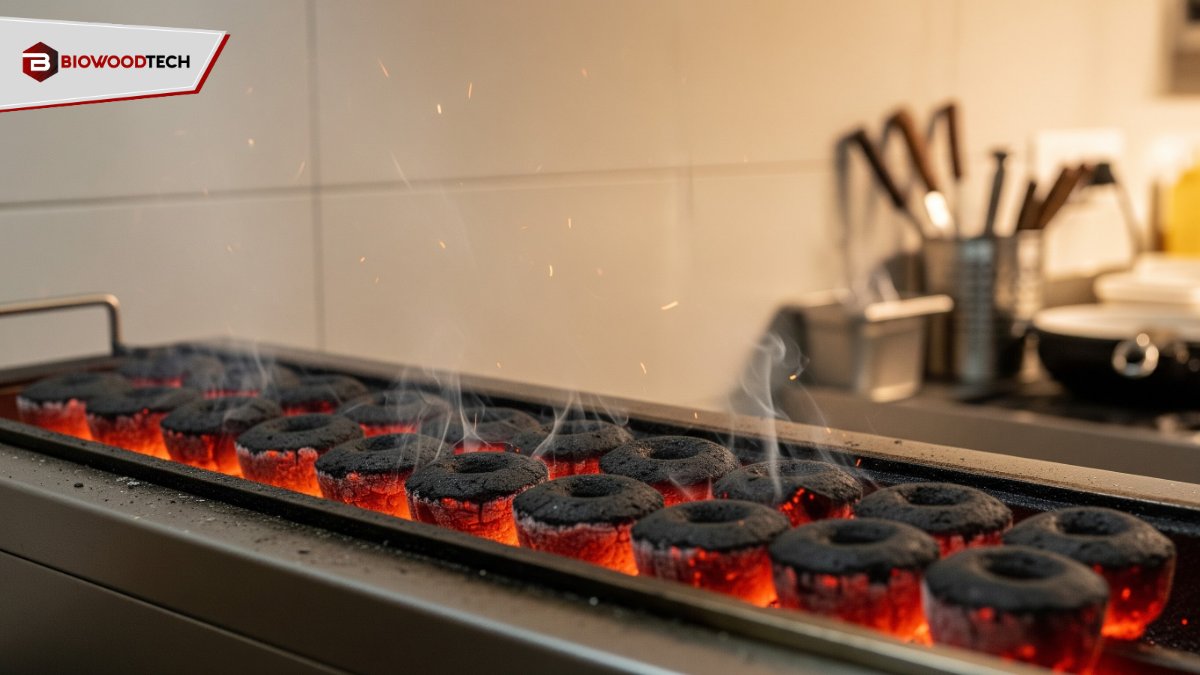
No fire is entirely smoke-free, but high-carbon briquettes produce almost invisible smoke, making them ideal for indoor or tabletop grilling setups.
Keep it elevated on pallets in a dry, well-ventilated storeroom to prevent moisture absorption, which causes sparking and delayed lighting.