Key Takeaways
- Sawdust charcoal burns 6+ hours ideal for long restaurant operations
- Coconut charcoal offers higher heat intensity but shorter burn duration
- Cost per hour favors sawdust by up to 30% for commercial use
- Both are eco-friendly, sawdust recycles wood waste, coconut uses shells
- Malaysian suppliers offer both options with Halal certification
Which Charcoal Burns Longer for Malaysian Restaurants?
Sawdust charcoal burns longer, typically 6+ hours compared to coconut charcoal’s 3–4 hours. For restaurant owners running dinner services that stretch past midnight, that difference translates to fewer refills, consistent heat, and real cost savings. Both options have their place in Malaysian kitchens, but understanding when each shines helps you make the right call for your operation.
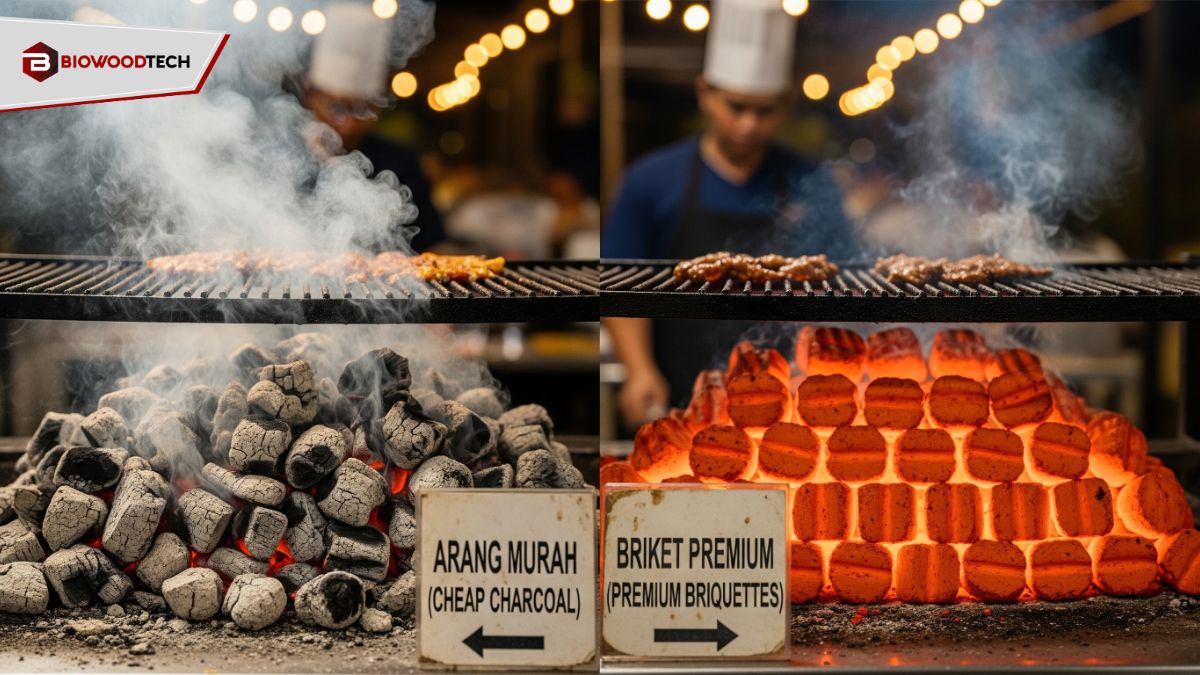
Running a satay stall or BBQ chain in Malaysia means juggling thin margins and high expectations. Customers expect perfectly charred skewers every time, but inconsistent charcoal can turn a busy night into a nightmare. One minute the grill is blazing, the next you’re scrambling to add more fuel while orders pile up.
This guide breaks down the real differences between sawdust and coconut charcoal, burn time, heat output, ash, cost, so you can choose what works for your kitchen.
Quick Comparison
| Feature | Sawdust Charcoal | Coconut Charcoal |
| Burn Time | 6+ hours | 3–4 hours |
| Heat Output | Consistent, steady | High intensity |
| Ash Content | Low (2–5%) | Very low (1–3%) |
| Best For | Restaurants, long sessions | Home BBQ, quick grilling |
| Cost/Hour | Lower | Higher |
What Makes Sawdust Charcoal Different?
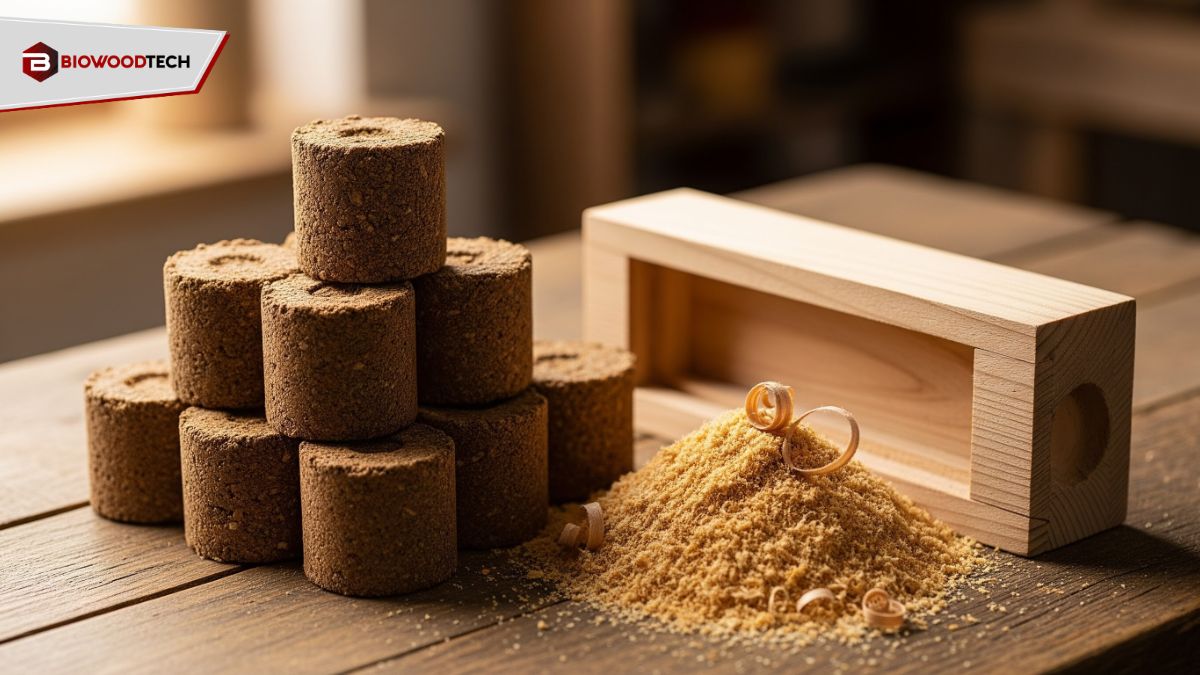
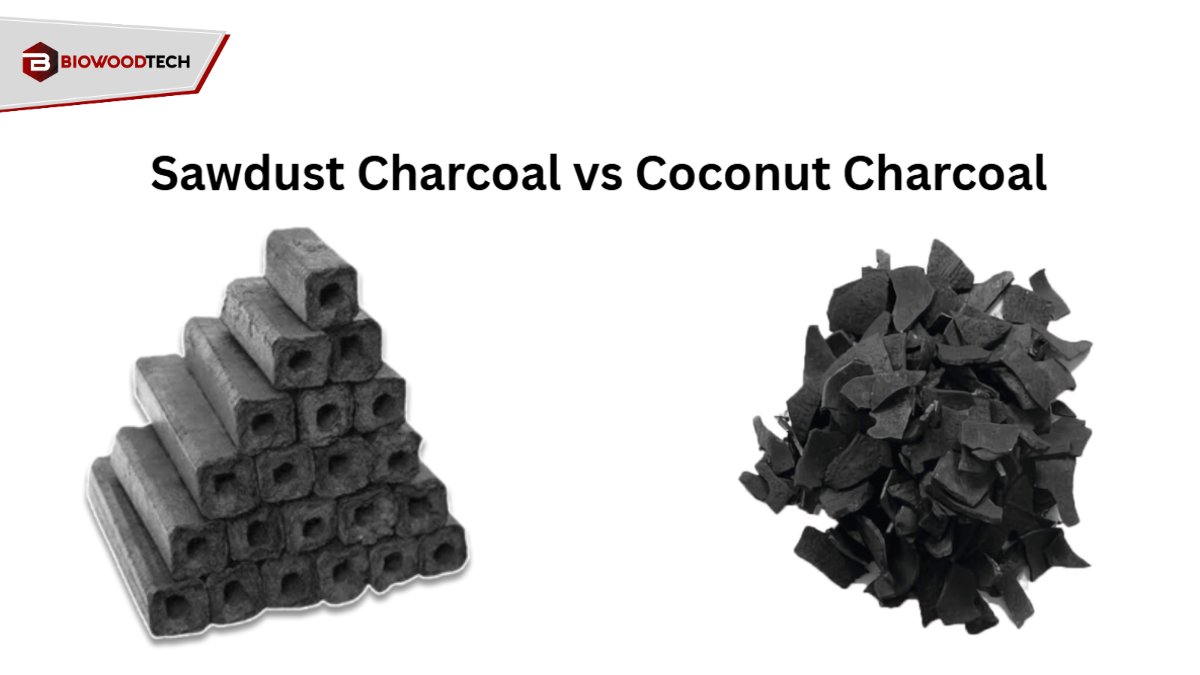
Sawdust charcoal briquettes are made from compressed wood waste, typically tropical hardwood sawdust from Malaysia’s timber industry. The fine particles are compacted under high pressure without additives, creating dense, uniform briquettes that burn steadily for hours.
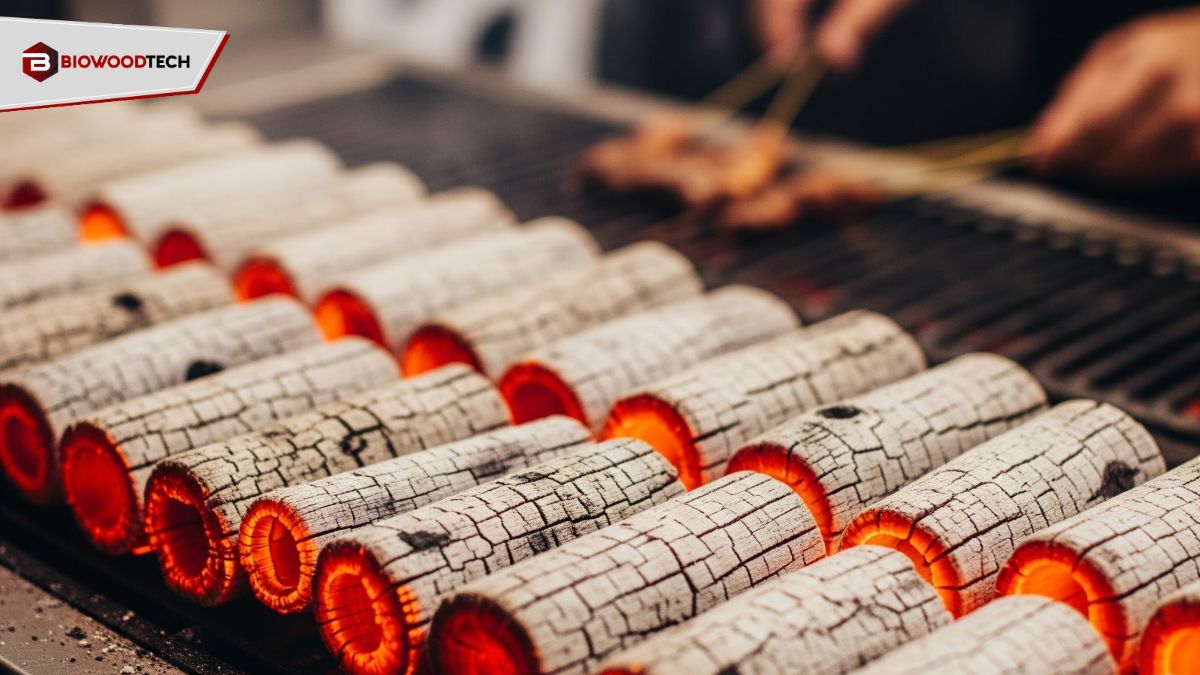
The density is the key difference. Where lump charcoal has irregular shapes and air pockets, sawdust briquettes pack more fuel into every inch. A single 5-inch briquette can maintain cooking temperature for 2–3 hours, meaning a small pile handles an entire dinner service.
For Malaysian restaurants, this consistency matters. A satay stall in Johor Bahru reported cutting their charcoal costs by 25% after switching from mixed-grade lump to sawdust briquettes, not because the briquettes were cheaper per kilo, but because they used less overall.
Ideal For:
Restaurant kitchens, BBQ chains, satay stalls, catering operations, and any business running 4+ hour cooking sessions.
When Should You Choose Coconut Charcoal?
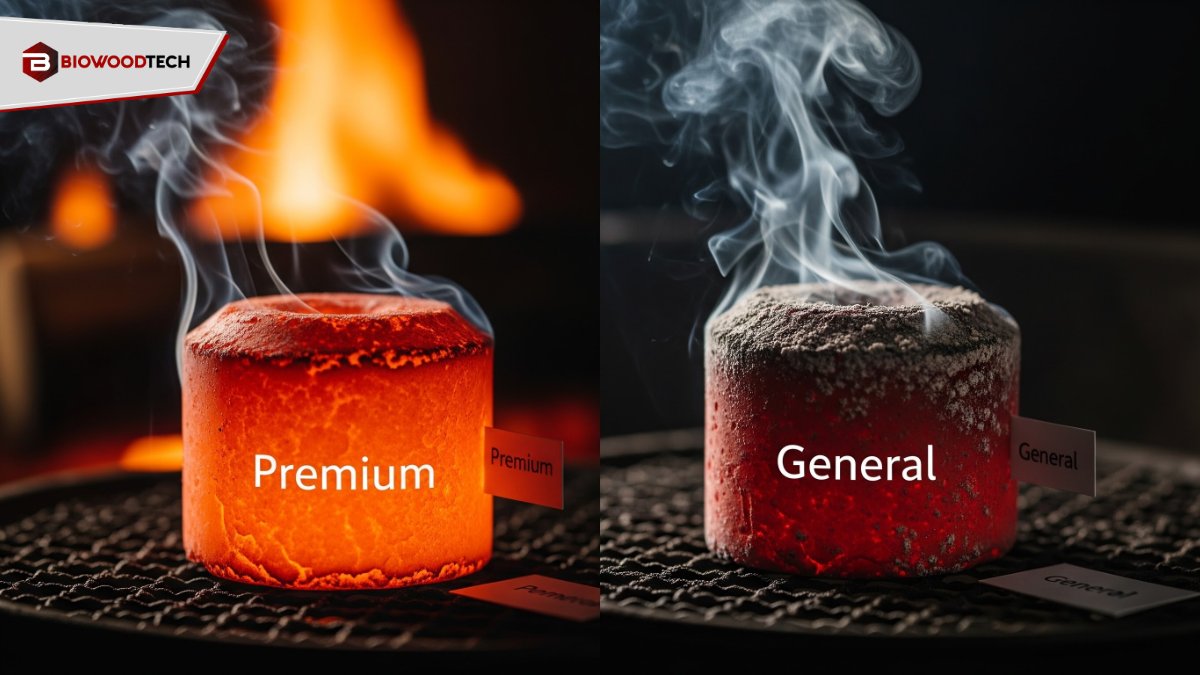
Coconut charcoal burns hotter and cleaner, made from carbonized coconut shells, a byproduct of Malaysia’s coconut industry. It produces minimal smoke and almost no smell, which is why it’s popular for indoor grilling and premium shisha.
The heat intensity is the selling point. Coconut briquettes can reach higher temperatures faster than sawdust, making them excellent for searing meat quickly. But that intensity comes with a trade-off:
the fuel depletes faster, requiring more frequent refills during long sessions.
A BBQ restaurant owner in Kuala Lumpur tested both for their weekend buffet. Coconut charcoal gave perfect sear marks on steaks but needed changing every 90 minutes. Sawdust briquettes held steady heat for the entire 4-hour service without attention.
Ideal For:
Home BBQ parties, quick grilling, indoor kitchens, shisha lounges, and situations demanding high heat for short periods.
Still unsure which fits your kitchen? The real answer depends on how long you grill each day.
The Real Cost Difference for Malaysian Businesses
Price per kilogram tells only half the story. Coconut charcoal often costs 10–20% more upfront, but the real metric is cost per hour of usable heat. Sawdust charcoal’s longer burn time typically delivers 20–30% better value for commercial operations.
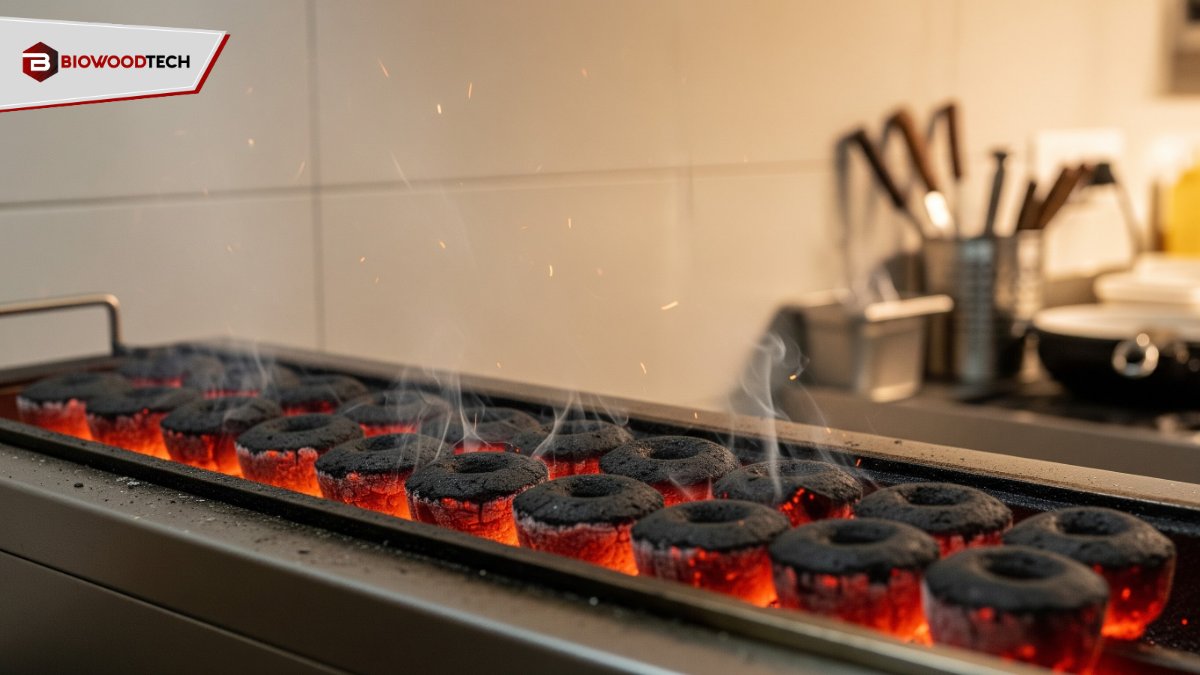
Consider a typical restaurant scenario: a 6-hour dinner service requiring steady grilling heat. With coconut charcoal, you might refill every 90 minutes , that’s 4–5 batches. With sawdust briquettes, 2–3 batches handle the same period. Fewer refills mean less labor, less waste from half-burned pieces, and more consistent cooking temperatures.
Bulk purchasing from a Malaysian manufacturer like Biowoodtech brings sawdust prices down further, especially for Grade A briquettes sold in restaurant quantities. Halal certification comes standard, removing another procurement headache.
Read More: Charcoal Value, Not Price: Why Burn Performance Matters More
Making the Right Choice for Your Kitchen
Choose sawdust charcoal for long operations and cost efficiency. Choose coconut charcoal for quick, high-heat grilling where burn time matters less. Both are sustainable, both work , the question is which matches your cooking schedule and budget.
For Malaysian restaurants running dinner services past 10 PM, sawdust briquettes typically deliver better value. The longer burn time, consistent heat, and lower ash production mean fewer interruptions and more predictable costs month after month.
Frequently Asked Questions
Sawdust charcoal burns longer , typically 6+ hours versus 3–4 hours for coconut. The compressed density of sawdust briquettes releases fuel gradually over time.
Restaurants prefer sawdust for its consistent heat, long burn time, and lower cost per hour. Fewer refills mean staff can focus on cooking rather than managing the grill.
Choose based on cooking duration. Sessions under 3 hours favor coconut’s high heat. Longer operations benefit from sawdust’s extended burn and steady temperature.
Yes, both work well for BBQ. Coconut delivers intense searing heat; sawdust provides steady, long-lasting warmth perfect for slow-grilling satay or chicken wings.
Both are sustainable. Sawdust recycles industrial wood waste; coconut uses discarded shells. Neither requires cutting trees specifically for fuel production.
Malaysian manufacturers like Biowoodtech supply Grade A to E sawdust charcoal directly to restaurants, with bulk pricing available for commercial buyers.