Key Takeaways
- Biochar is not BBQ charcoal; it is processed at higher temperatures to be cleaner and more porous for soil health.
- Corrects acidic soil effectively, acting as a long-term liming agent for Malaysia’s weathered, acidic terrain.
- Boosts water retention by acting like a sponge, crucial for surviving dry spells without over-watering.
- Prevents nutrient leaching by holding fertilizers in the root zone rather than letting them wash away.
- Must be “charged” with compost or nutrients before application to prevent it from initially stealing soil nutrients.
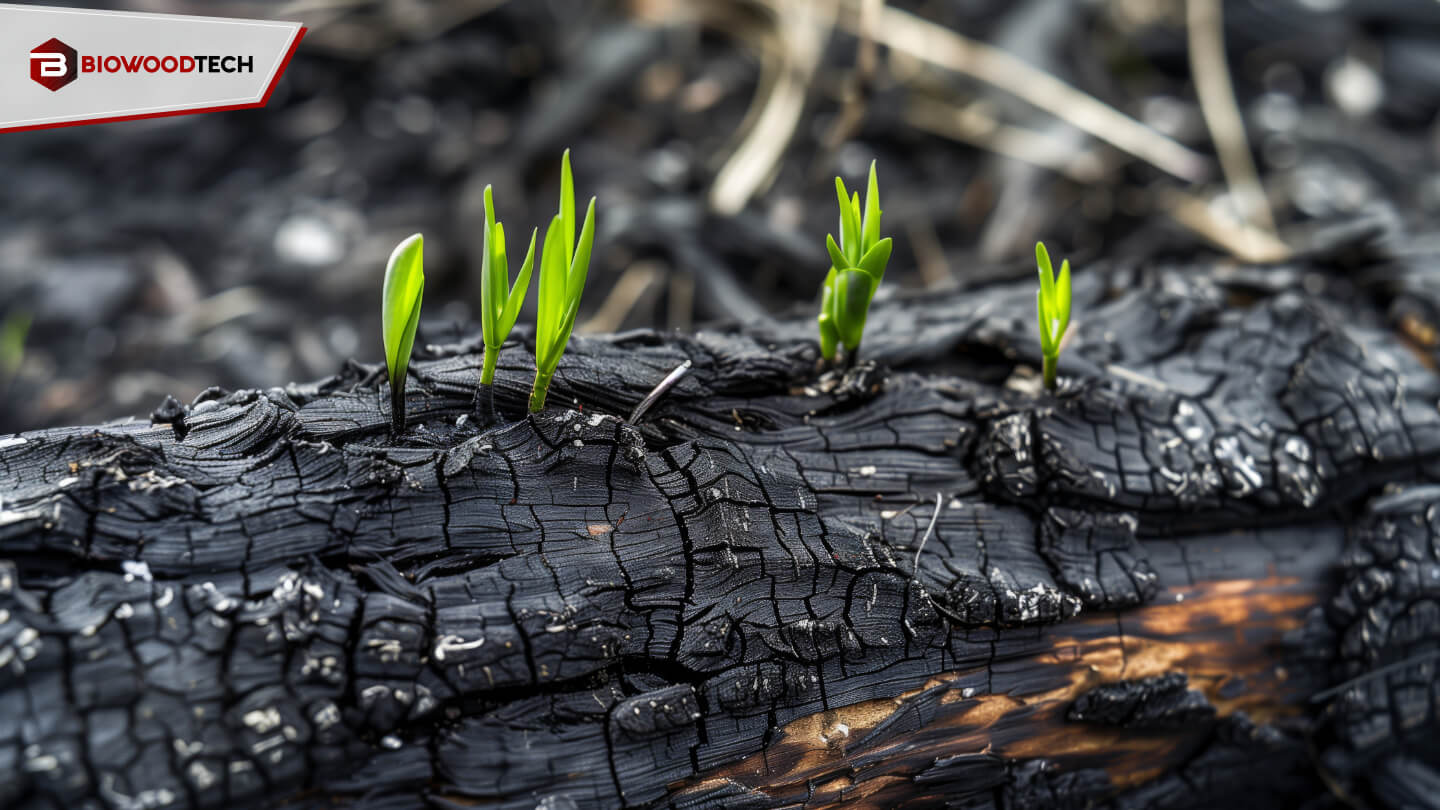
You might associate charcoal with satay grills or weekend BBQs, but in the soil, it plays a very different role. The use of charcoal in agriculture, specifically known as biochar, serves as a permanent soil conditioner that improves water retention, neutralizes acidity, and anchors nutrients.
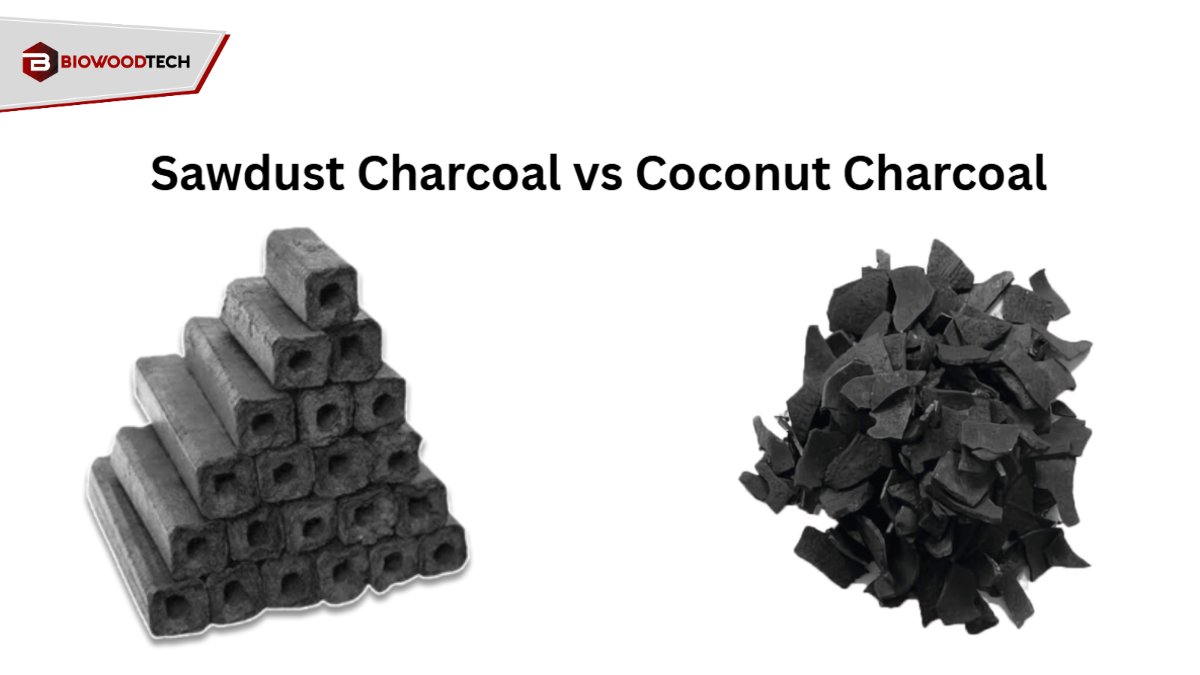
Unlike the fuel bricks used for cooking, agricultural charcoal is a high-carbon, porous structure designed to house beneficial microbes and keep soil fertile for decades.
This isn’t just about tossing ash into your garden. Agricultural charcoal is a precise tool for modern farming, offering a sustainable way to turn crop waste into “black gold” for the earth.
| Feature | Agricultural Biochar | BBQ Charcoal / Briquettes |
| Primary Use | Soil amendment & filtration | Fuel & heating |
| Production Temp | High (500°C–800°C) | Lower (300°C–500°C) |
| Porosity | Extremely high (micro-pores) | Low to Medium |
| Chemical Content | Stable Carbon, low volatiles | Contains tars & volatiles |
| Longevity in Soil | Hundreds of years | Breaks down faster |
What Is the Use of Charcoal in Agriculture?
Biochar acts as a “coral reef” for soil, providing structure and housing for microscopic life.
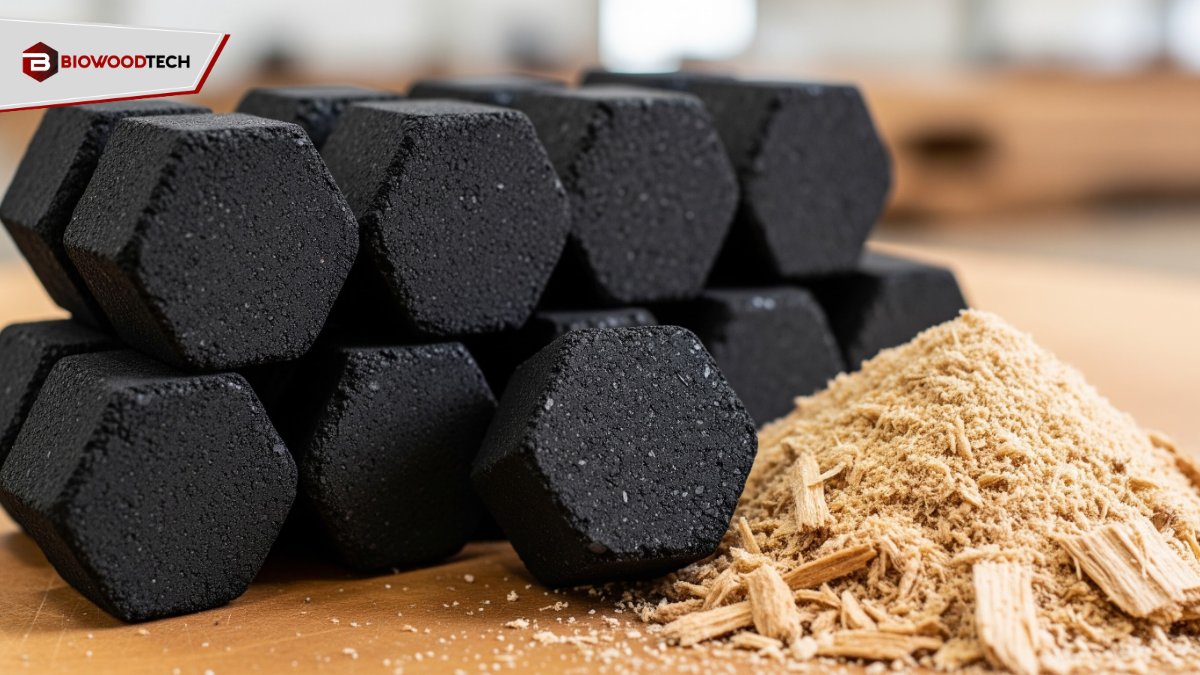
Agricultural charcoal, or biochar, is created through pyrolysis—heating biomass (like wood, rice husks, or palm shells) in a low-oxygen environment.
This process locks carbon into a stable form that doesn’t decay like standard compost. When added to the ground, its primary function is physical rather than chemical. It creates a vast surface area; a single gram of biochar can have the surface area of a football field.
Farmers use this material to solve physical soil problems. In sandy soils, it acts as a sponge to hold water. In compacted clay soils, it creates breathing room for roots.
Furthermore, it serves as a habitat for soil fungi and bacteria.
Just as a reef supports fish, the nooks and crannies of biochar support the microbial life that drives plant growth. By integrating eco friendly charcoal into farming systems, growers can reduce their reliance on chemical fertilizers while sequestering carbon permanently.
“Biochar is not a fertilizer itself; it is the battery that holds the energy (nutrients) and makes it available to plants.” — Soil Science Society of America
Can Charcoal Improve Soil pH?
Yes, it is an effective long-term liming agent that neutralizes acidity.
Soil acidity is a major challenge in tropical regions like Malaysia, where heavy rainfall constantly leaches basic cations (calcium, magnesium) from the earth. As these nutrients wash away, aluminum levels rise, becoming toxic to plant roots. Charcoal is naturally alkaline, typically having a pH between 8.0 and 9.0 depending on the feedstock.
When applied to acidic soils (pH 4.5–5.5), biochar reacts to raise the pH toward neutral.
Unlike agricultural lime, which dissolves and washes away after a few seasons, biochar remains in the soil profile. This stability means a single application can provide pH buffering capacity for years.
However, the “liming value” depends on the source material. Biochar made from legumes or nutrient-rich biomass generally has a higher alkalinity than wood-based char.
Farmers dealing with “acid sulfate soils”—common in Malaysian coastal rice paddies—have found success using rice husk biochar to mitigate aluminum toxicity and improve crop establishment.
Is Biochar the Same as BBQ Charcoal?
No, putting BBQ briquettes in your garden can actually harm your plants.
This is the most common misconception. Commercial BBQ charcoal and briquettes are often manufactured with binders, accelerants (like lighter fluid chemicals), and unburnt tars that are toxic to plant roots.
Even natural lump charcoal for grilling is often not cooked at high enough temperatures to clear out the volatile organic compounds (VOCs).
If you put this into the soil, microbes will consume the remaining oils instead of helping your plants, temporarily robbing the soil of nitrogen.
Biochar is “clean” carbon. It is cooked until almost all non-carbon elements are gasified. This leaves behind a pure, skeletal carbon structure.
Additionally, BBQ charcoal is often hydrophobic (repels water) due to resin residues, whereas quality agricultural biochar is hydrophilic (absorbs water).
If you want to improve your soil, you must use material specifically processed for agriculture, not the leftovers from a cookout.
How Do Malaysian Farms Use Charcoal?
Local sectors are turning waste biomass like oil palm and rice husks into soil enhancers.
Malaysia produces massive amounts of agricultural biomass, much of which was traditionally burned or left to rot. Today, forward-thinking operations are converting this into biochar.
- Rice Farming: In Kedah and Kelantan, rice husk biochar (RHB) is used to treat nursery soils. The high silica content in rice husks strengthens plant cell walls, making stalks more resistant to pests and wind damage.
- Urban Landscaping: The famous “Secret Garden” in Bandar Utama is a prime example, where biochar was mixed into the soil profile to support diverse plant life on a rooftop setting, reducing the weight load while maintaining moisture.
- Durian Orchards: Some durian growers use biochar mixed with organic fertilizer to combat the root diseases prevalent in wet, heavy clay soils. The improved drainage helps prevent Phytophthora (root rot).
Application Tip: Malaysian farmers rarely apply raw biochar. They “inoculate” it first by mixing it with compost, manure, or liquid organic fertilizer for 2 weeks. This fills the charcoal’s pores with nutrients, ensuring that when it hits the soil, it releases food to the plants immediately.
Still unsure if your soil needs biochar or just compost? A simple soil pH test can tell you if you need the alkalinity boost that charcoal provides.
Conclusion: Sustainable Farming with Carbon
The use of charcoal in agriculture is more than a trend; it is a return to ancient regenerative practices adapted for modern needs.
Whether you are managing a small vegetable plot in the Klang Valley or a larger orchard, biochar offers a way to fix acidic soil permanently while reducing water usage.
By choosing the right carbon source and applying it correctly, you stop fighting your soil and start building it.
Frequently Asked Questions (FAQ)
It improves soil structure, holds moisture, and retains nutrients so they aren’t washed away by rain.
Ash provides nutrients (potassium/calcium) and raises pH quickly but doesn’t offer the structural porosity or long-term water retention of charcoal.
A common ratio is 5% to 10% of the soil volume. For potted plants, mix 1 part biochar with 9 parts potting mix.
No. Unlike fertilizer or compost, biochar resists decay and stays in the soil for hundreds to thousands of years. One good application lasts decades.
You likely added “raw” charcoal. It absorbed the nitrogen from the soil. Always mix charcoal with compost or fertilizer before applying to prevent this.
It is excellent for most plants but use sparingly on acid-loving plants (like blueberries or azaleas) as it raises soil pH.