Key Takeaways
- Briquettes charcoal is made from compressed biomass, giving steadier heat and cleaner storage compared to loose firewood or lump charcoal.
- Common briquette types include sawdust, coconut shell and mixed biomass, each with different heat levels, ash content and ideal cooking or heating uses.
- Shape and size, from pillow and hexagonal sticks to cube briquettes, affect burn time, airflow and suitability for BBQ pits, grills or industrial furnaces.
- Choosing the right briquette means matching heat output, ash level and burn duration to your equipment, menu, floor plan or operating schedule.
- Simple checks on colour, density, packaging and basic specifications help buyers avoid smoky, crumbly briquettes that waste time, fuel and money.
Briquettes charcoal is engineered charcoal that burns in a predictable, steady way, making it easier to control heat whether you are grilling, steaming or running compact heating equipment.
Anyone who has dealt with surprise flare-ups or inconsistent bags of lump charcoal knows how quickly a smooth service can become a smoky guessing game. Too long? Too Small? Too much smoke?
Charcoal manufacturers level the mess with charcoal briquettes with uniform pieces, longer burns and less mess.
So, let’s offer a breakdown of briquette types, sizes and the situations they suit best.
What Is Briquettes Charcoal?
Briquettes charcoal is biomass charcoal that has been ground, mixed and pressed into uniform shapes for predictable heat and easy handling.
Instead of irregular chunks, briquettes are manufactured to a consistent formula, similar to ice cubes.
The process is simple:
- Producers carbonise biomass (such as sawdust, coconut shells or agricultural residues)
- Grind it into fine powder, mix it with a binding agent
- Press and dry it into repeatable shapes.
This controlled process creates consistent density, moisture and burn behaviour.
F&B: Reliable heat for grills, steamboat pots and skewers, with steadier burn times and less ash during service.
Industrial: Stable combustion for small boilers, ovens or drying systems where predictable heat output matters.
How Is Briquettes Charcoal Different From Lump Charcoal?
Lump charcoal is irregular burnt wood, while briquettes are engineered for controlled, predictable combustion.
Lump Charcoal (Traditional)
- Natural wood pieces, each bag varies in size and density
- Lights quickly and reaches high peak heat
- Common issue: A mix of big chunks, tiny bits and dust that affects airflow
- Heat tends to rise and drop unpredictably, especially in Malaysian outdoor humidity
Briquettes Charcoal (Engineered)
- Pressed into uniform shapes with consistent density and moisture
- Burns steadily, with fewer flare-ups and less mess
- Easier to standardise cooking routines across different staff shifts
- Useful for setups running several grills, steamboat tables or long service hours
Where It Matters Locally
- F&B: More predictable heat for satay grills, BBQ pits, claypot stations and charcoal stoves
- Homestays: Guests can light and maintain heat without supervision
- Small Industrial Use: Stable, repeatable burn cycles for compact boilers or ovens
What Types Of Briquettes Charcoal Are Commonly Used?
The main briquette families are sawdust briquettes, coconut shell briquettes and mixed biomass briquettes, each with different strengths.
| Briquette Type | Heat Output* | Ash Level | Smoke | Common Uses |
| Sawdust briquettes | Medium to high | Medium | Low, neutral | BBQ, steamboat, claypot, small boilers |
| Coconut shell briquettes | Medium to very high | Low | Very low, neutral | Grill houses, shisha, premium BBQ |
| Mixed biomass briquettes | Medium | Medium to higher | Varies by material | General cooking, heating, backup fuel |
*Heat output will vary by exact formula and density, but most suppliers quote a kcal/kg or MJ/kg range for reference.
What Are Sawdust Briquettes Charcoal And When Are They Best?
Sawdust briquette charcoal are compressed wood residues that offer steady heat and manageable ash for everyday cooking, grilling and small-scale heating.
How They’re Made
- Clean wood residues from timber processing
- Carbonised, ground and pressed into rods, hexagonal sticks or pillow shapes
- Consistent raw material = predictable heat output
Where They Work Well
- F&B: Satay grills, yakitori, skewers, claypot dishes
- Hospitality: Guest BBQ pits that need easy lighting and stable heat
- Industrial: Small boilers, ovens or dryers that require moderate, steady temperatures
Why They’re Popular
- Reasonable ignition time
- Balanced burn duration for service hours
- Middle ground between cost and performance
- Simple to handle, cut or break into shorter lengths when needed
How Do Coconut Shell Briquettes Compare?
Coconut shell briquettes are denser, cleaner and designed for long, stable burns with minimal smoke and ash.
What Makes Them Different
- Naturally hard, carbon-dense shells
- Higher fixed carbon content
- Lower ash percentage
- Longer burn time per piece
Best Use Cases
- Premium grilling: Yakiniku, Korean grills, charcoal-steak concepts
- Shisha lounges: Very low smoke and consistent heat
- Indoor or semi-enclosed areas: Fewer odour issues and less ash during service
What is the Trade-Off?
- Higher price per kilogram than sawdust briquettes
- Often justified when you need:
- Long sessions without refuelling
- Minimal ash cleanup
- Cleaner customer-facing environments
What About Mixed Biomass Briquettes?
Mixed biomass briquettes combine various agricultural residues to create a flexible, budget-friendly fuel option.
What They’re Made From
- Palm kernel shells
- Rice husk
- Wood waste
- Other available biomass sources
- Blended for practical heat and acceptable ash levels
Where They Fit
- Cooking stalls: Straightforward heat for general grilling
- Shared kitchens: Functional fuel at lower cost
- Small industrial setups: Steady enough for simple heating tasks
Our Recommendation
- Check the specification sheet (carbon, moisture, ash)
- Observe ash colour and residue during a small burn test
- Trial in your own grill or furnace before ordering larger quantities
- Consistency varies, so reliable suppliers matter more than the material list alone.
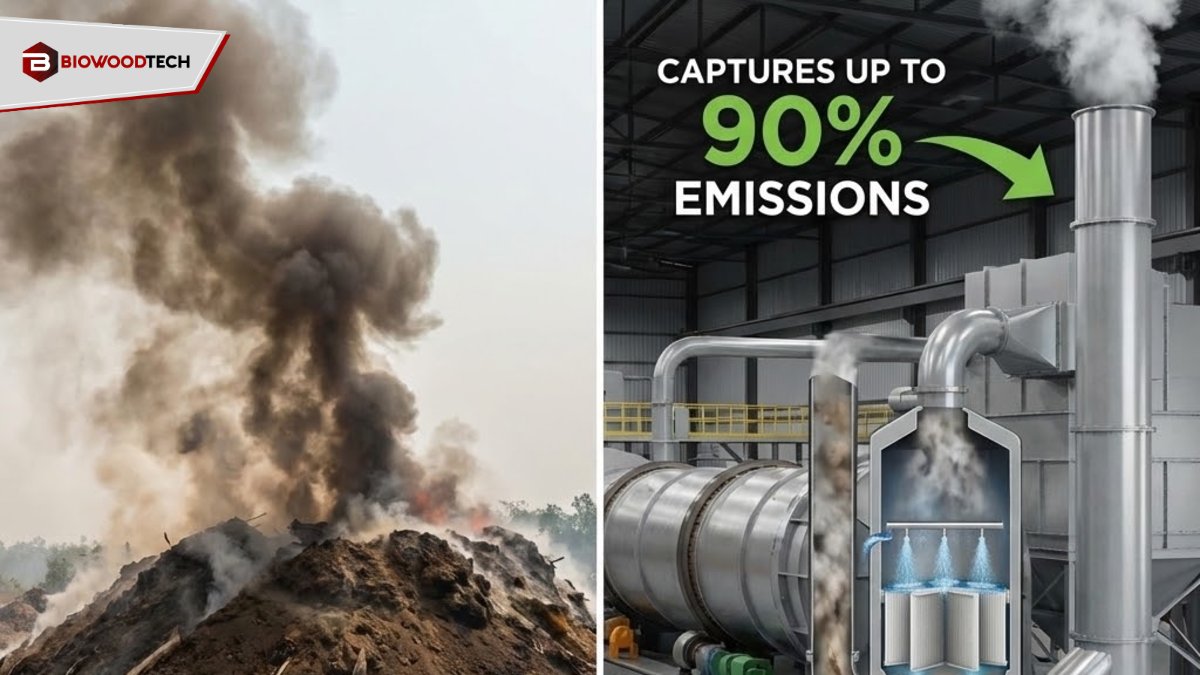
“Under Malaysia’s Environmental Quality (Clean Air) Regulations 2014, your stack smoke should be no darker than very light grey (called Ringelmann 1, roughly 20% opacity). Darker smoke can mean non-compliance.”
How Do Briquette Sizes And Shapes Affect Burn Performance?
Shape and size influence ignition speed, burn duration, airflow and how easily staff can manage the fire.
Here is a simplified comparison of common shapes and where they tend to work best.
| Shape / Size | Dimensions | Burn Characteristics | Common Applications |
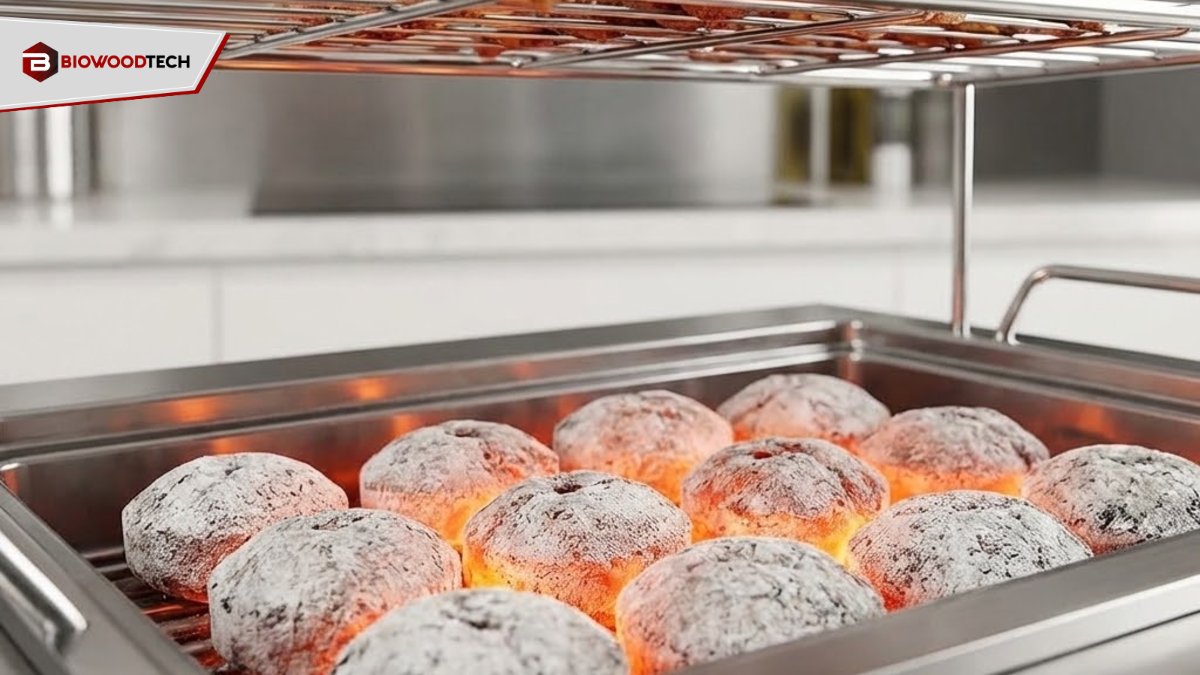
| Pillow briquettes | Small “cushions” | Light fairly fast, moderate burn time | Home BBQ pits, casual grilling |
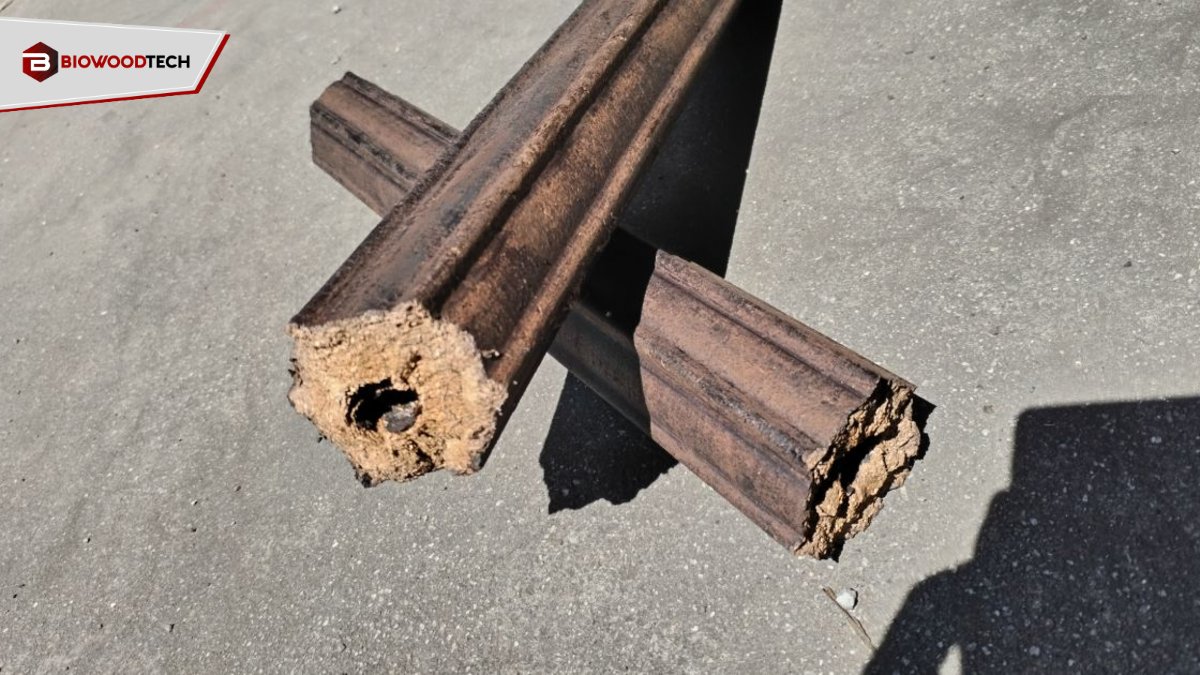
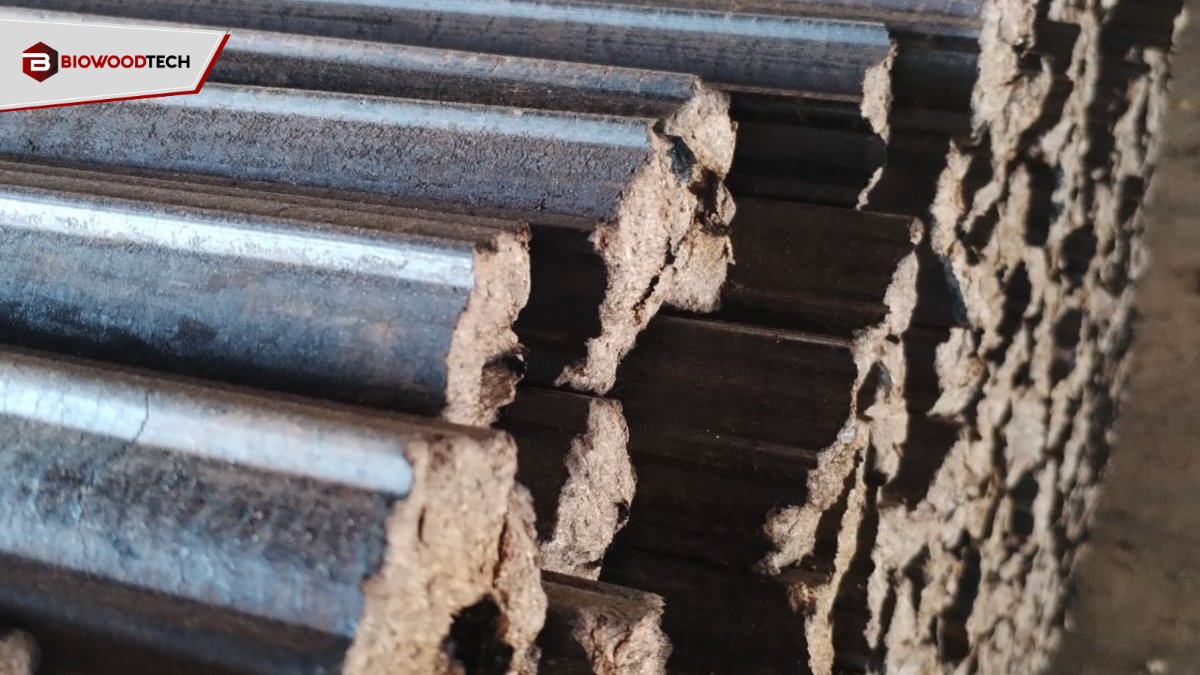
| Hexagonal stick briquettes | Long rods with centre hole | Slower to ignite, very long steady burn | Restaurants, steamboat, claypot, long grills |
| Cube briquettes | Small uniform cubes | Even heat, stack neatly, controlled burn | Shisha, tabletop grills, premium BBQ |
| Compressed logs | Larger cylindrical pieces | Slow ignition, long-lasting high heat | Small boilers, ovens, smokers |
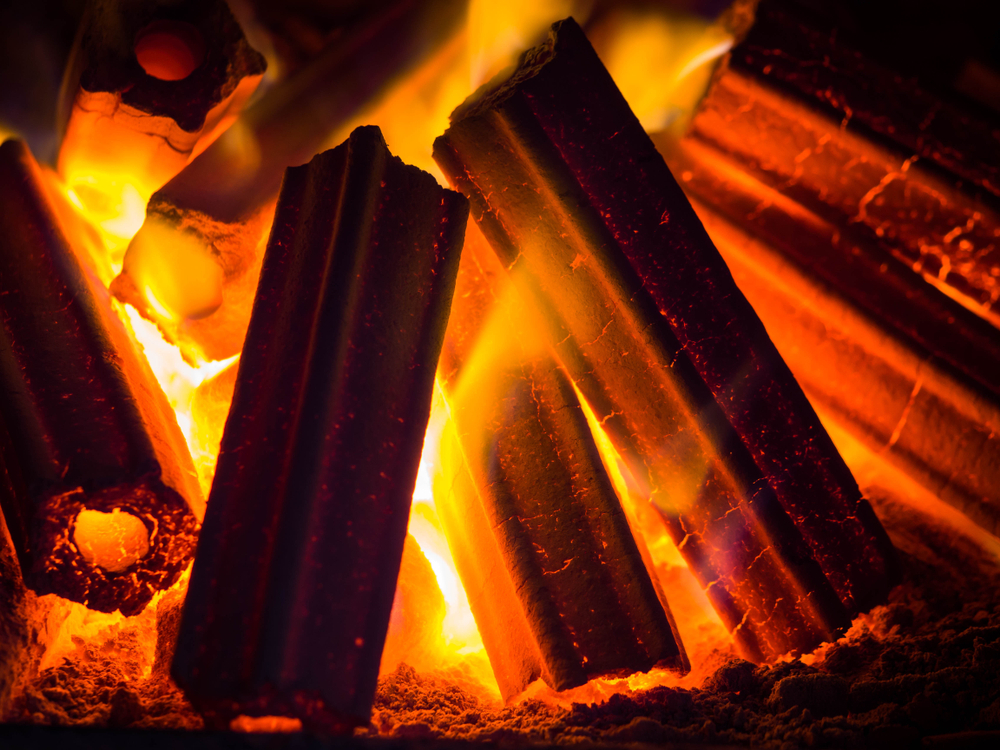
In practice, many professional kitchens prefer hexagonal sticks with a central hole.
Why? Because when air passes through the hole, it helps combustion while the dense walls hold heat for hours.
“BBQ operators might choose pillow or cube styles that are easier for first-time users to light without staff supervision.”
How Do You Choose The Right Briquettes Charcoal For Your Setup?
Match the briquette type to your cooking style, equipment, service hours and storage conditions.
A useful way to decide is to look at four factors side by side.
1. Menu And Cooking Method
- Satay skewers and light grilling: a medium density briquette that lights faster and burns steadily.
- Long steamboat or grill sessions: denser sticks or cubes that hold heat over time.
2. Equipment And Ventilation
- Indoor or semi-enclosed spaces benefit from lower smoke and lower ash, which points toward higher-quality sawdust or coconut shell briquettes.
- Open-air BBQ pits have more room for smoke dispersion and can work with a wider range of briquettes.
3. Operating schedule
- Short peak windows may favour faster ignition and moderate burn time.
- All-day operations, catering jobs or industrial heating need longer burning, refill-friendly shapes.
4. Storage and handling
- Check for moisture exposure risk, especially during monsoon or in coastal areas.
- Good packaging and stacking reduce broken pieces and dust.
When the briquette matches these factors, staff spend less time fighting the fire and more time serving customers or keeping the industrial process running smoothly.
What Quality Checks Should Buyers Use Before Ordering In Bulk?
Simple visual, physical and spec checks can help filter out low-quality briquettes before they reach your store or factory.
Consider using this quick checklist when evaluating samples or suppliers:
Colour and surface
- Even dark charcoal colour, without brown un-carbonised patches.
- Smooth surface with minimal visible cracks.
Density and sound
- Feels solid and heavier than it looks.
- Gives a clear, crisp sound when lightly tapped together, not a dull thud.
Ash And Smoke Test
- Light a few pieces outdoors. Observe how much smoke appears in the first 10–15 minutes.
- Check if the ash is fine and light-coloured rather than thick and sticky.
Specification sheet
- Request basic numbers: fixed carbon, moisture, ash content and approximate calorific value.
- For repeated orders, ask that these specs remain consistent between batches.
Even for small operations, keeping notes on how different briquettes behave in your actual kitchen or heating system is valuable.
Over time, you develop a clear picture of what “good” looks like for your environment.
Find The Best Briquettes Charcoal Types For You
In Malaysia’s climate, where humidity, long service hours and mixed ventilation conditions often affect how charcoal behaves, choosing the right briquette makes everyday work far easier.
Regardless if you are running satay grills, claypot stations, yakiniku-style tables, homestay BBQ pits or compact boilers, the key is matching the briquette’s burn time, heat profile and ash level.
At Biowoodtech, our Sawdust Briquette Charcoal is produced using clean wood residues and controlled carbonisation to deliver consistent heat, stable burn cycles and manageable ash.
Unsure which charcoal briquette you need? No problem. Fill in our enquiry form and get FREE samples to test in your own setup.
Frequently Asked Questions About Briquettes Charcoal
Briquettes charcoal is produced by carbonising biomass, grinding it into powder, mixing it with a binder, then pressing and drying it into uniform shapes.
Food-safe briquettes made from clean biomass and proper binders are suitable for grilling. Always avoid products with chemical odours, visible additives or unknown origin.
Well-made briquettes generally burn longer and more steadily than lump charcoal because they are denser and shaped for controlled airflow.
For BBQ pits and open grills, pillow or hexagonal stick briquettes work well. Hexagonal sticks with a centre hole are popular for long, steady heat.
Yes, suitable briquettes can fuel small boilers or ovens, especially sawdust or mixed biomass types, provided the equipment is designed for solid fuel.
Use dry fuel, avoid chemical firelighters, let briquettes ash over before cooking, keep airflow steady, and service hoods/filters regularly.