Key Takeaways
- Raw wood is naturally halal, but synthetic binders or animal-derived adhesives in processed briquettes pose compliance risks.
- Sourcing requires verifying that no cross-contamination occurs within the production facility or on shared equipment.
- Smoke acts as a physical ingredient, meaning impurities from unverified fuel transfer directly onto grilled meat.
- Reliable operators request specification sheets detailing the exact starch binders used in the manufacturing process.
- Upgrading to verified fuel protects restaurant audits while delivering consistent heat and cleaner flavor profiles.
Yes, raw, untreated wood charcoal is inherently halal. However, commercially processed briquettes can introduce non-halal binders, chemical accelerants, or suffer from cross-contamination during manufacturing, rendering them unfit for certified commercial kitchens.
Serving premium Wagyu over questionable fuel defeats the purpose of strict kitchen protocols. In the highly regulated F&B sector, ignoring the origin of your grilling fuel often leads to failed supply chain audits and compromised brand trust.
This guide breaks down what makes charcoal genuinely food-safe and how to verify your supply chain.
Fuel Source Comparison Table
| Fuel Type | Binder Ingredients | Cross-Contamination Risk | Ideal For | Compliance Status |
| Raw Lump Charcoal | None (100% Wood) | Low (if processed alone) | Fast, high-heat searing | Generally Safe |
| Generic Briquettes | Unknown / Industrial Glues | High (shared factory lines) | Casual backyard use | High Risk |
| Premium Briquettes | Natural Plant Starch (Tapioca) | Zero (dedicated processing) | Long commercial service | Fully Compliant |
Can Charcoal Actually Be Non-Halal?
The raw material is permissible, but the carbonization and forming process introduces hidden variables.
Wood itself contains no prohibited substances. The complication arises when factories turn sawdust or wood waste into uniform blocks using unverified additives to hold the shape together.
Some facilities process multiple types of industrial fuels on the exact same equipment. If animal-derived fats or unauthorized chemical igniters mix into the production batch, the final product completely loses its purity.
Consider a local BBQ operator who lost their compliance certification because their imported arang bbq lacked a clear origin certificate, causing them to fail a routine supply chain audit.
Are the Binders in Charcoal Briquettes Certified?
Plant-based adhesives are standard, but cheaper alternatives pose a direct compliance threat to restaurants.
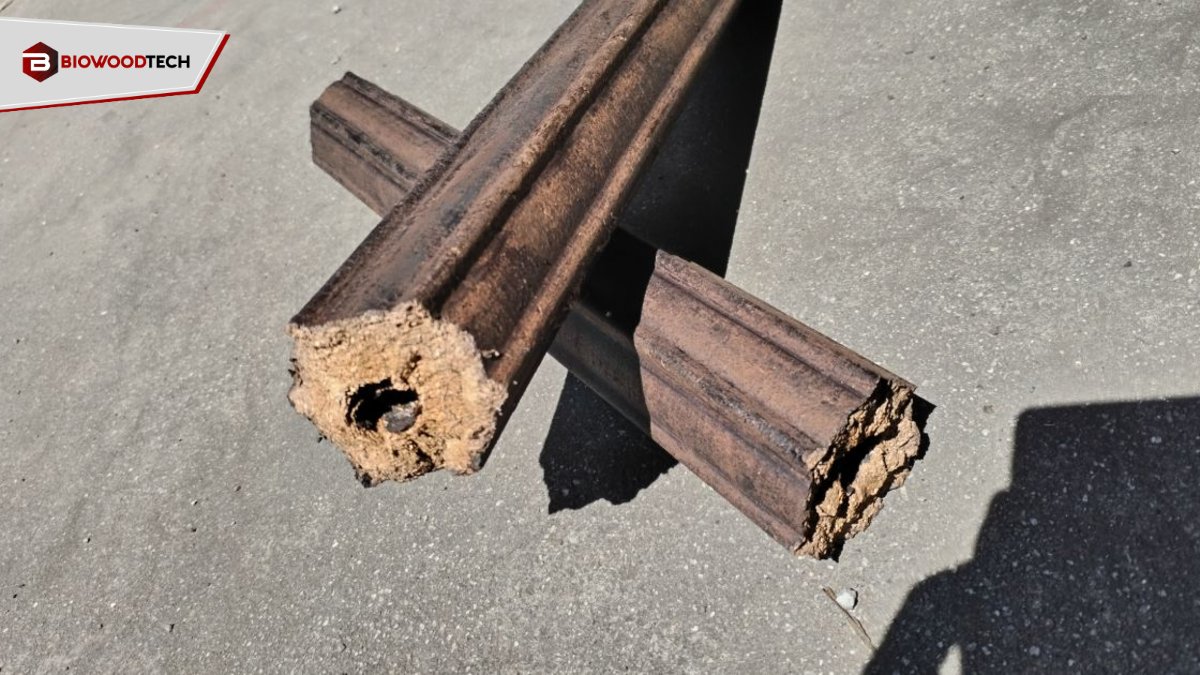
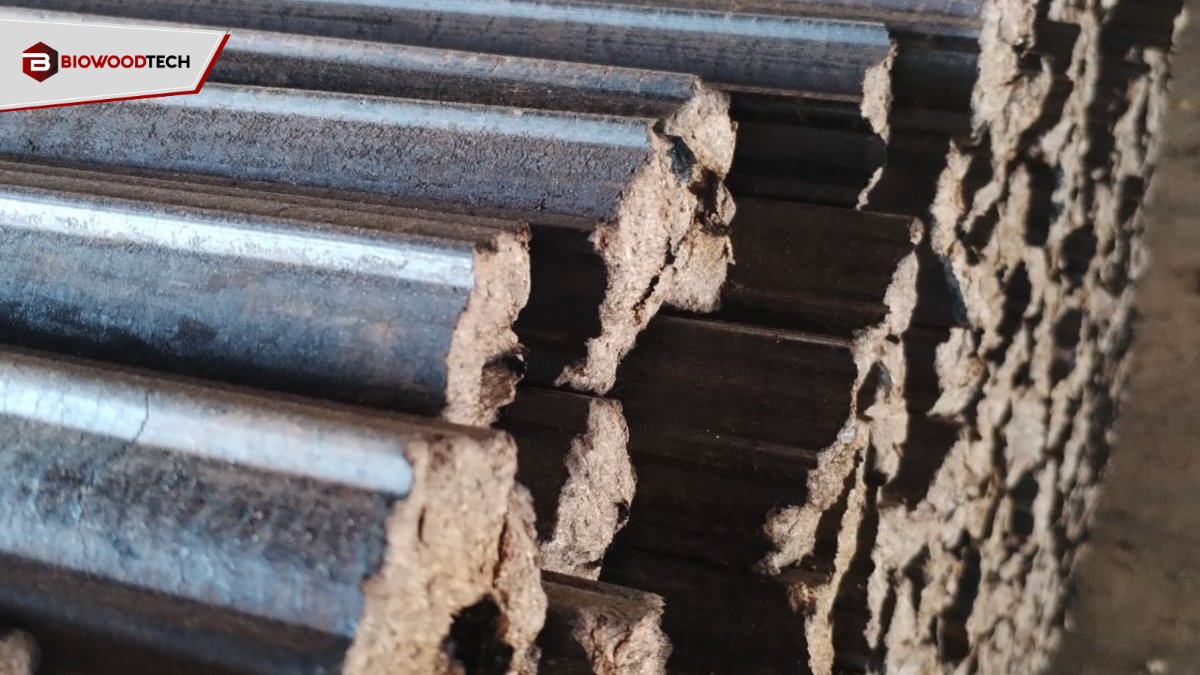
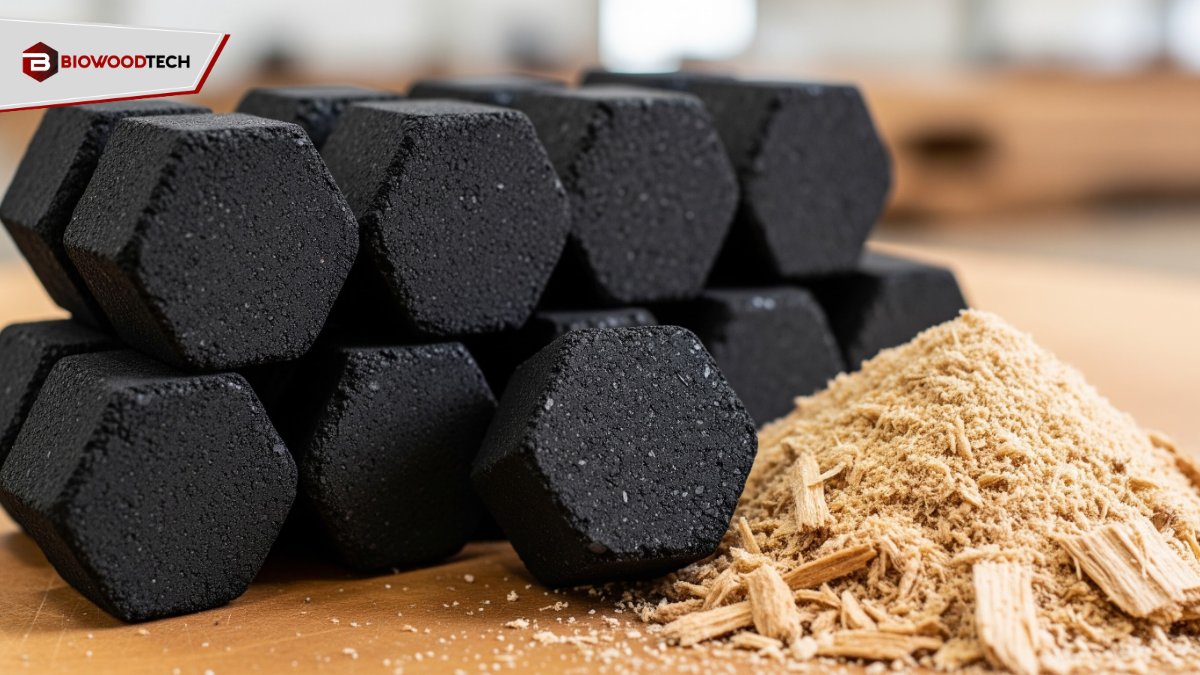
To manufacture restaurant grade charcoal briquettes, producers must apply a binder to compress the carbonized dust. Natural tapioca or corn starch represents the safest, cleanest option for culinary use.
Discount alternatives sometimes incorporate industrial glues to cut overhead costs. Without a transparent material spec sheet from a dedicated charcoal manufacturer, F&B owners are left guessing at the chemical makeup of their heat source.
Expert Insight: Relying on uncertified binders risks dietary compliance and frequently introduces heavy metals that contaminate the immediate grilling environment.
Does Smoke Transfer Impurities to Halal Meat?
Smoke acts as a physical particulate, meaning fuel impurities land directly on the food surface.
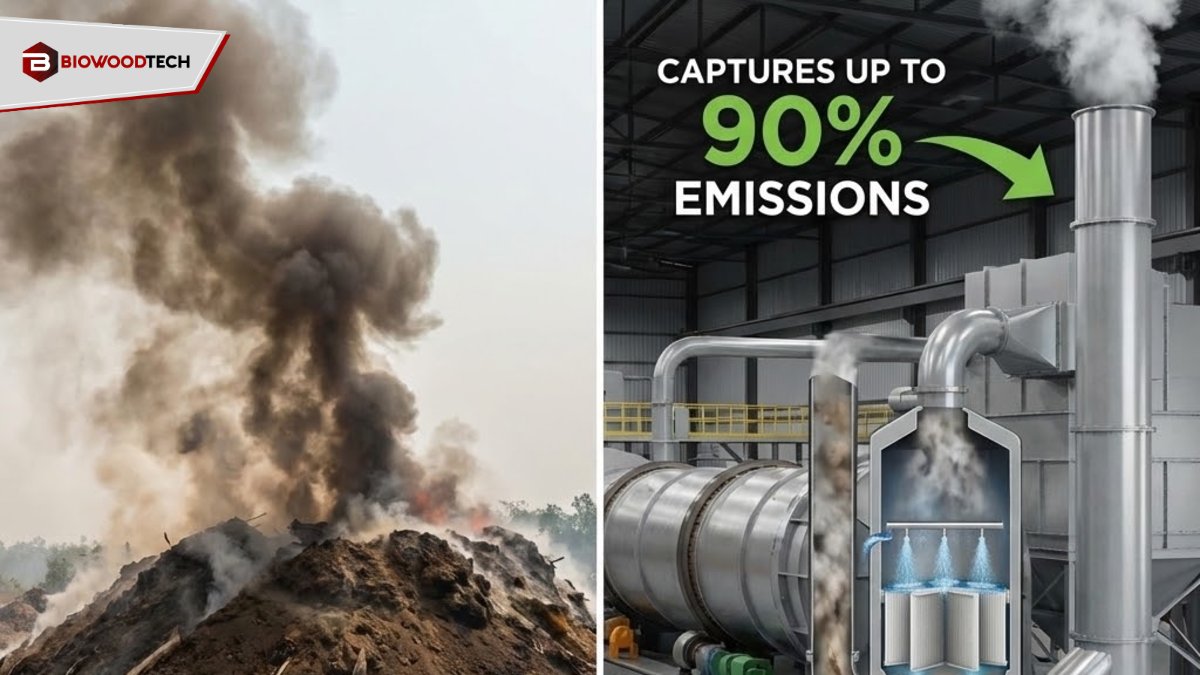
Open-fire grilling relies on vaporized fats and wood smoke to flavor the protein. If the premium restaurant grade charcoal burns off synthetic chemicals or unverified adhesives, those particulates bond immediately with the meat.
Food safety regulations categorize smoke as an active ingredient. Therefore, the fuel generating that smoke must meet the exact same rigorous purity standards as the marinades and rubs applied by the chef. Upgrading to strict F&B grade solutions eliminates this hazard.
Why Sourcing from a Dedicated Manufacturer Matters
Traceability from raw wood dust to the final boxed product is the only reliable way to guarantee operational safety.
Relying on generic third-party suppliers leaves restaurants vulnerable to inconsistent, blended batches. A dedicated producer controls the entire carbonization, mixing, and extrusion process in-house.
Switching to verifiable food safe charcoal protects the establishment’s reputation and simplifies health inspections. Consistent high heat, minimal ash production, and entirely clean smoke are the natural byproducts of this controlled production.
Still unsure if your current fuel meets strict kitchen standards? View Why: Arang Kayu: What Makes Malaysian Sawdust Charcoal Unique?
Securing Halal Charcoal for Your Commercial Kitchen
Verifying the purity of your halal charcoal is just as necessary as sourcing certified meat. Upgrading to a transparent, documented fuel supply chain guarantees complete peace of mind for the chef, the auditors, and your diners.
FAQs
Food-safe products use zero chemical accelerants, rely entirely on natural plant-based binders, and undergo controlled manufacturing to remain free from heavy metals and toxins.
Commercial kitchens require consistent high heat, minimal ash, and clean smoke. Premium grades prevent flavor contamination and maintain steady temperatures during long, demanding service hours.
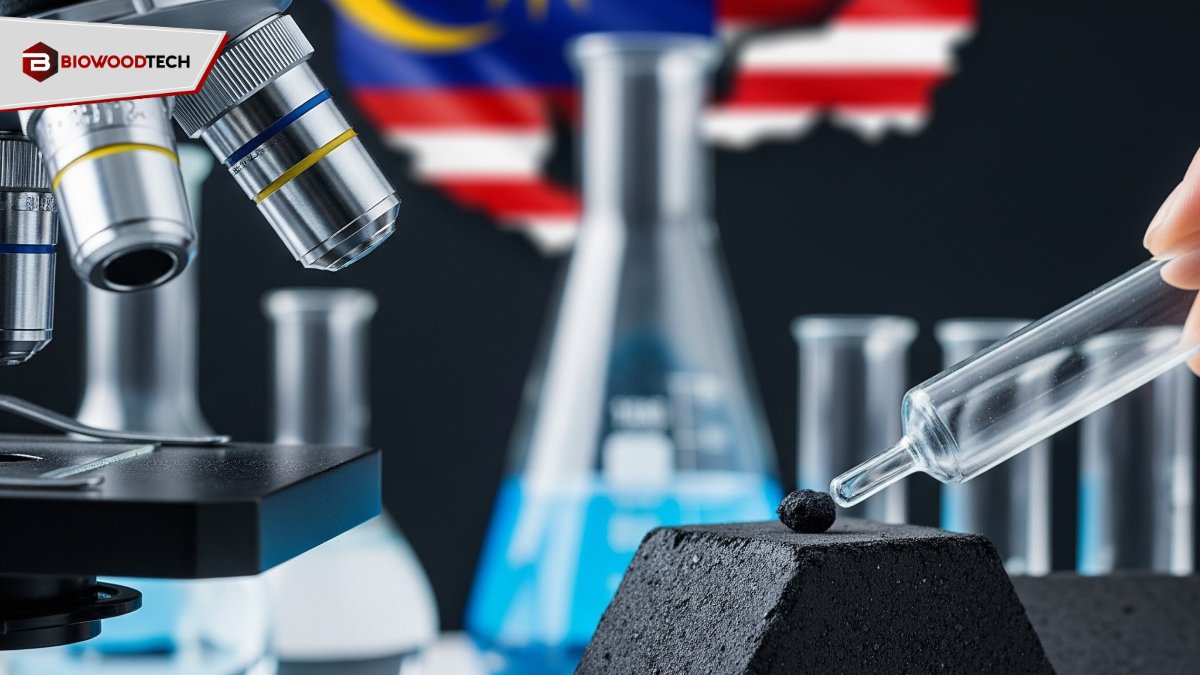
Request a detailed material safety data sheet (MSDS) or a factory certification from the supplier detailing the exact binder ingredients and production methods used.
Cheaper, unregulated briquettes might utilize animal-derived binders or waste fats to cut manufacturing costs, making verified sourcing absolutely necessary for strict kitchens.
Raw wood is naturally safe, but cross-contamination in shared industrial processing facilities or the addition of synthetic lighting chemicals will instantly void that status.
Extruded briquettes made from pure hardwood sawdust bound with natural tapioca starch offer the safest, most consistent, and longest-lasting burn for professional operators.