What Are Sawdust Wood Briquettes? Uses, Benefits and Difference From Charcoal
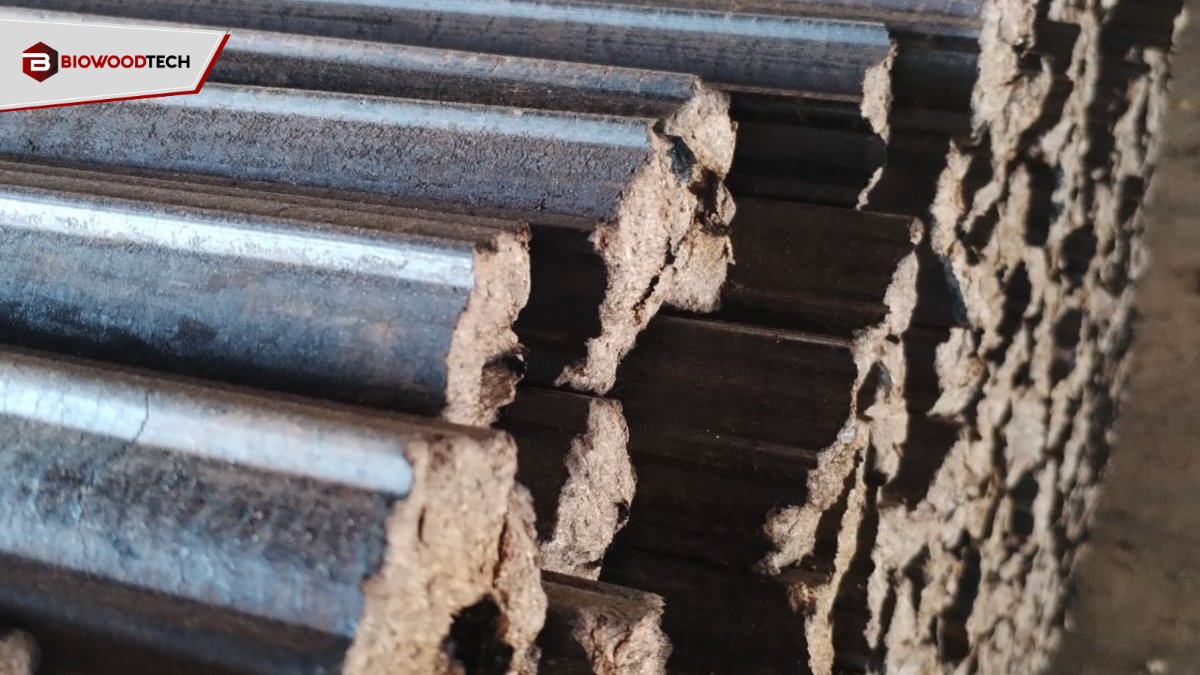
Sawdust wood briquettes are compressed blocks of hardwood sawdust used as a solid biomass fuel. Unlike charcoal briquettes, they have not yet gone through carbonization, which means they are still wood-based fuel rather than charcoal.
At Biowoodtech Industry Sdn. Bhd., our Sawdust Wood Briquette is made from 100% tropical hardwood sawdust and extruded into dense, uniform briquettes before the carbonization stage. Each briquette is shaped for easier handling, consistent burning, and practical industrial use.
For buyers who need biomass fuel for heating, drying, or factory operations, sawdust wood briquettes can be a reliable alternative to loose sawdust, firewood, or inconsistent biomass waste.
You can view Biowoodtech’s full range of charcoal and briquette products on the Our Products.
Key Takeaways
- Sawdust wood briquettes are made by compressing hardwood sawdust into solid fuel blocks.
- They are uncarbonized, meaning they are not yet charcoal.
- Charcoal briquettes are carbonized; sawdust wood briquettes are still wood-based biomass fuel.
- They are commonly used for industrial heating, boilers, drying lines, and biomass fuel applications.
- Biowoodtech’s Sawdust Wood Briquette is made from tropical hardwood sawdust and supplied in a uniform briquette form.
What Are Sawdust Wood Briquettes?
Sawdust wood briquettes are solid fuel briquettes made by compressing sawdust under high pressure. Instead of leaving sawdust as loose powder, the material is shaped into dense briquettes that are easier to store, transport, and burn.
A briquette is generally a compressed block of combustible material such as sawdust, wood chips, charcoal, coal dust, or other biomass. In the case of sawdust wood briquettes, the main raw material is wood residue from sawdust.
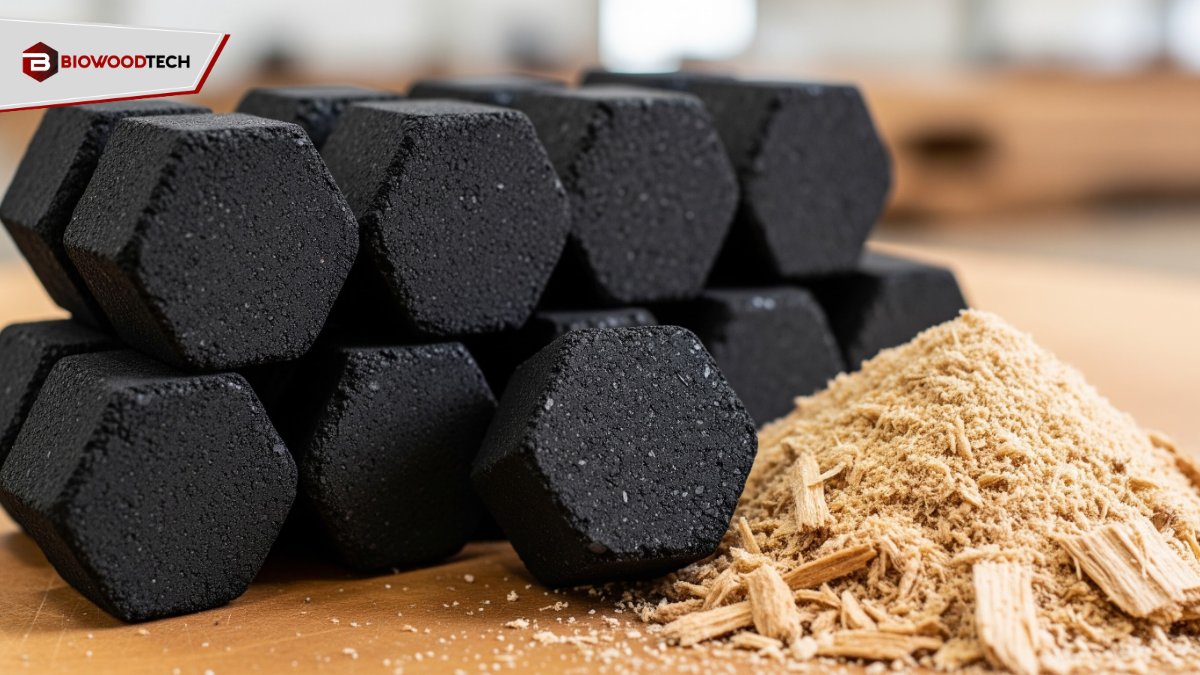
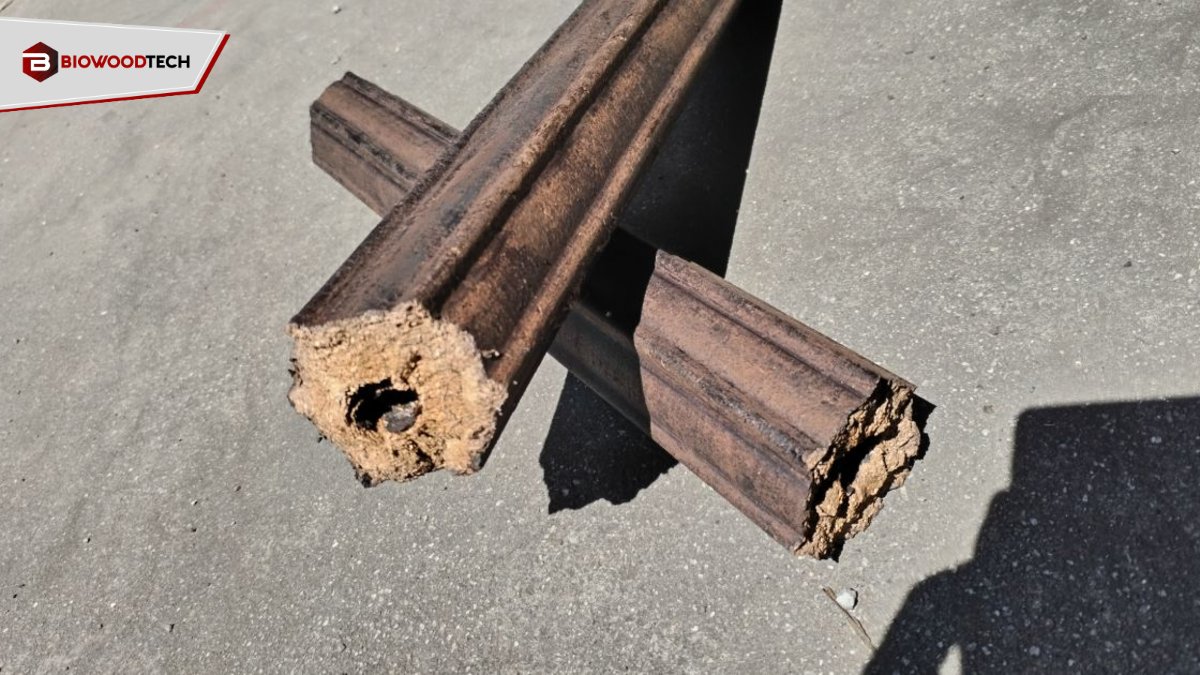
Biowoodtech’s Sawdust Wood Briquette is made from 100% tropical hardwood sawdust and formed into a hexagonal briquette measuring 55mm x 400mm. The product is produced before carbonization, making it different from sawdust charcoal briquettes used for BBQ.
Are Sawdust Wood Briquettes the Same as Charcoal?
No. Sawdust wood briquettes are not the same as charcoal briquettes.
The main difference is the carbonization process.
Sawdust wood briquettes are made from compressed sawdust before carbonization. Charcoal briquettes are made after biomass has been carbonized, which means the material has been heated in a low-oxygen environment to remove moisture and volatile compounds, leaving a carbon-rich fuel.
In simple terms:
| Product | Material Stage | Main Use |
| Sawdust Wood Briquette | Compressed sawdust before carbonization | Industrial fuel, heating, biomass use |
| Sawdust Charcoal Briquette | Carbonized sawdust briquette | BBQ, restaurants, grilling, F&B use |
This is why Biowoodtech separates Sawdust Wood Briquettes from BBQ Charcoal Briquette Grade A, Grade B, and Grade C.
How Sawdust Wood Briquettes Are Made
Sawdust wood briquettes are made through a compression process. Clean hardwood sawdust is collected, dried to a suitable moisture level, and then pressed through briquetting machinery.
The pressure helps bind the sawdust into a solid shape without needing it to remain as loose material. This creates a dense fuel product that is easier to stack, pack, and feed into suitable heating systems.
The general process is:
- Hardwood sawdust is collected.
- The sawdust is dried and prepared.
- The material is compressed under pressure.
- The briquette is extruded into a uniform shape.
- The finished sawdust wood briquette is packed for use or further processing.
For charcoal production, this wood briquette can later go through carbonization. But before that stage, it remains a sawdust wood briquette.
Main Uses of Sawdust Wood Briquettes
Sawdust wood briquettes are mostly used in industrial and heating applications. Because they are dense and uniform, they are easier to manage than loose sawdust or irregular wood waste.
Common uses include:
- Industrial heating
- Biomass fuel
- Drying lines
- Factory heat processes
- Suitable boiler fuel applications
- Fuel preparation before charcoal carbonization
For businesses that need a steady biomass fuel supply, sawdust wood briquettes provide a more organized and practical format compared to scattered wood residue.
Benefits of Sawdust Wood Briquettes
1. Made From Reused Wood Residue
Sawdust wood briquettes help turn sawdust into a useful fuel product. Instead of allowing wood residue to go to waste, the material is compressed into a practical biomass fuel.
This makes it a more resource-efficient option for industries looking to use wood-based fuel.
2. Easier to Store and Transport
Loose sawdust can be messy and difficult to manage. Once compressed into briquettes, the material becomes easier to stack, count, pack, and transport.
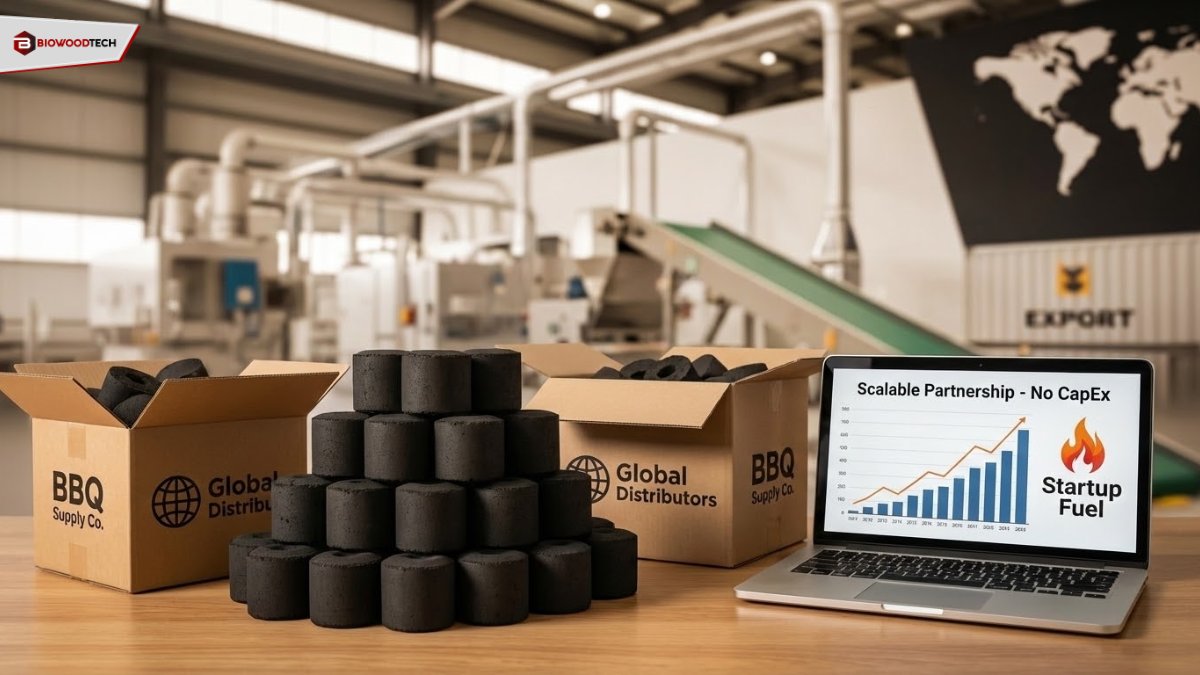
Biowoodtech supplies Sawdust Wood Briquettes in 20 kg box packaging, making handling more convenient for industrial buyers.
3. More Consistent Than Loose Biomass
Because sawdust wood briquettes are made in a uniform shape, they offer better consistency than random wood scraps or mixed biomass waste.
A consistent shape helps with loading, storage, and fuel planning.
4. Strong Heat Release
Biowoodtech’s Sawdust Wood Briquette is listed with strong heat release and a burn duration of up to 4 to 5 hours, depending on usage conditions and airflow.
This makes it suitable for users who need strong heat from a compact biomass fuel source.
5. No Flipping Needed
According to Biowoodtech’s product specifications, Sawdust Wood Briquettes do not require flipping during ignition. This can make them easier to manage in suitable industrial burning setups.
Sawdust Wood Briquettes vs Sawdust Charcoal Briquettes
Many buyers search for sawdust briquettes and charcoal briquettes as if they are the same product. They are related, but they are not identical.
Sawdust wood briquettes are the product before carbonization. Sawdust charcoal briquettes are the product after carbonization.
| Feature | Sawdust Wood Briquette | Sawdust Charcoal Briquette |
| Carbonized? | No | Yes |
| Main material | Compressed hardwood sawdust | Carbonized sawdust briquette |
| Common use | Industrial heating and biomass fuel | BBQ, grilling, restaurants |
| Smoke profile | Wood fuel behavior | Cleaner charcoal burn |
| Product stage | Before charcoal | Finished charcoal fuel |
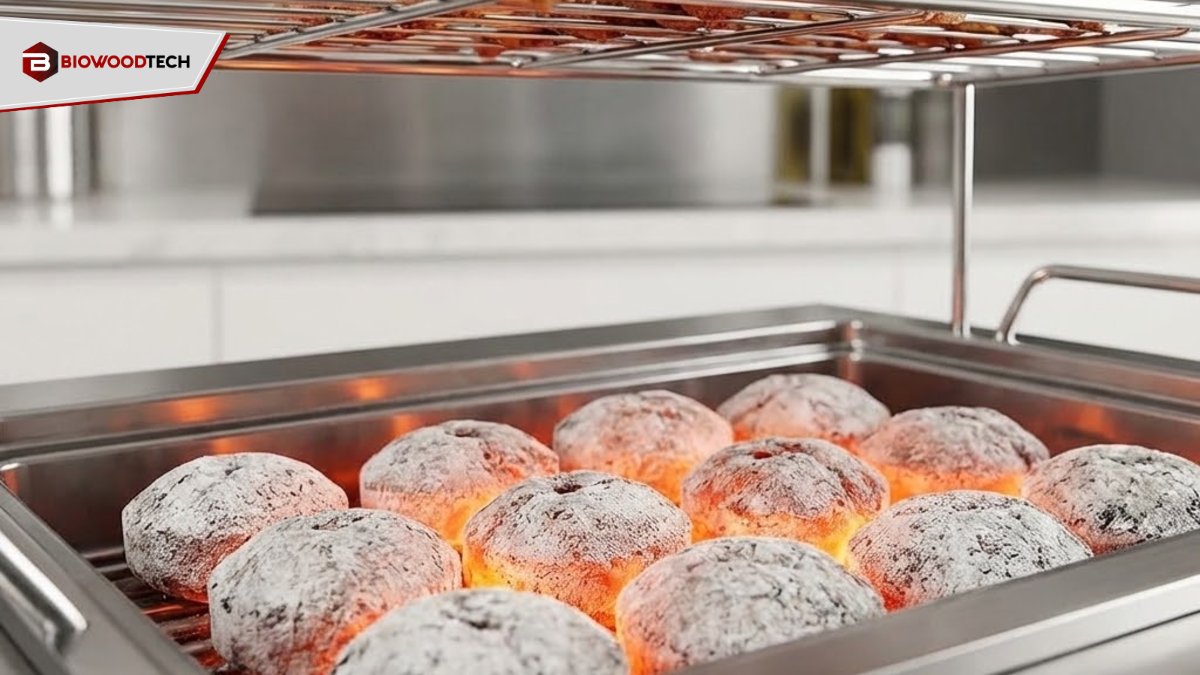
If you operate a BBQ restaurant, grill house, satay stall, or seafood restaurant, charcoal briquettes are usually the better fit. If you need biomass fuel for industrial heat, sawdust wood briquettes may be more suitable.
Who Should Buy Sawdust Wood Briquettes?
Sawdust wood briquettes are suitable for businesses that need wood-based solid fuel in a compact format.
They may be suitable for:
- Industrial users
- Biomass fuel buyers
- Factory operators
- Drying process operators
- Heat processing facilities
- Buyers looking for uncarbonized sawdust briquettes
- Charcoal producers who need briquettes before carbonization
For BBQ and restaurant use, buyers should compare Biowoodtech’s Grade A, Grade B, and Grade C sawdust charcoal briquettes instead.
How to Choose Good Sawdust Wood Briquettes
Before buying sawdust wood briquettes, check the following:
- Raw material: Choose clean hardwood sawdust where possible.
- Shape: Uniform shape helps with storage and burning consistency.
- Size: Confirm the briquette size matches your equipment.
- Moisture level: Lower and controlled moisture supports better fuel performance.
- Packaging: Boxed packaging is easier for handling and stock control.
- Supplier consistency: Choose a manufacturer that can support repeat orders.
- Use case: Confirm whether you need uncarbonized wood briquettes or carbonized charcoal briquettes.
For Biowoodtech, the Sawdust Wood Briquette is made from tropical hardwood sawdust, formed in a 55mm x 400mm size, and packed in 20 kg boxes.
FAQ About Sawdust Wood Briquettes
Are sawdust wood briquettes charcoal?
No. Sawdust wood briquettes are not charcoal if they have not been carbonized. They are compressed wood-based biomass fuel. Charcoal briquettes go through carbonization before being used as charcoal fuel.
What are sawdust wood briquettes used for?
Sawdust wood briquettes are commonly used for industrial heating, biomass fuel, drying processes, and factory heat applications. They can also be used as the briquette form before charcoal carbonization.
Can sawdust wood briquettes be used for BBQ?
Sawdust wood briquettes are not the same as BBQ charcoal briquettes. For BBQ, grilling, and restaurant cooking, carbonized sawdust charcoal briquettes are usually more suitable because they are designed for cleaner cooking performance.
What is the difference between wood briquettes and charcoal briquettes?
Wood briquettes are compressed sawdust or wood residue before carbonization. Charcoal briquettes are carbonized fuel made for BBQ, cooking, or heating applications that require charcoal performance.
Are sawdust wood briquettes eco-friendly?
Sawdust wood briquettes can be considered resource-efficient because they reuse sawdust and wood residue as fuel. The environmental impact depends on raw material sourcing, production method, transport, and how the fuel is used.
Conclusion
Sawdust wood briquettes are compressed hardwood sawdust briquettes made before the carbonization process. They are not charcoal yet. Instead, they serve as a wood-based biomass fuel suitable for industrial heating, drying, and other heat-related applications.
For buyers who need BBQ fuel, Biowoodtech’s sawdust charcoal briquette grades are the better match. For buyers who need uncarbonized biomass briquettes, Sawdust Wood Briquettes offer a dense, uniform, and practical fuel option.
For product size, packaging, and supply details, visit the Sawdust Wood Briquette product.