Key Takeaways
- Lump charcoal heats quickly and reaches higher temperatures, but it demands active fire control and consistent supply quality
- Charcoal briquettes generally produce steadier heat and longer burn than lump, which helps during long services. However, emissions depend on product quality and setup.
- Indoor-adjacent Malaysian kitchens often prioritise low smoke, low ash and predictable burn rather than maximum heat.
- Coconut shell and sawdust briquettes use local biomass and offer cleaner handling when sourced in the right grade.
- A simple rule: lump for fast, intense heat; briquettes for long, stable burns.
Lump charcoal works best when you need fast, intense heat. Briquettes suit long, predictable burns with minimal surprises. That is the simplest way to decide.
On the ground, the decision often comes down to issues such as smoky exhaust drifting into upstairs units, damp storerooms that ruin open bags and staff rushing to top up the fire during peak hours.
So to save you the hassle, the leading sawdust charcoal manufacturer will break down the true differences, compare both fuels in local conditions and give you a clear path to choosing the right one for your setup.
What Exactly Are Charcoal Briquettes And Lump Charcoal?
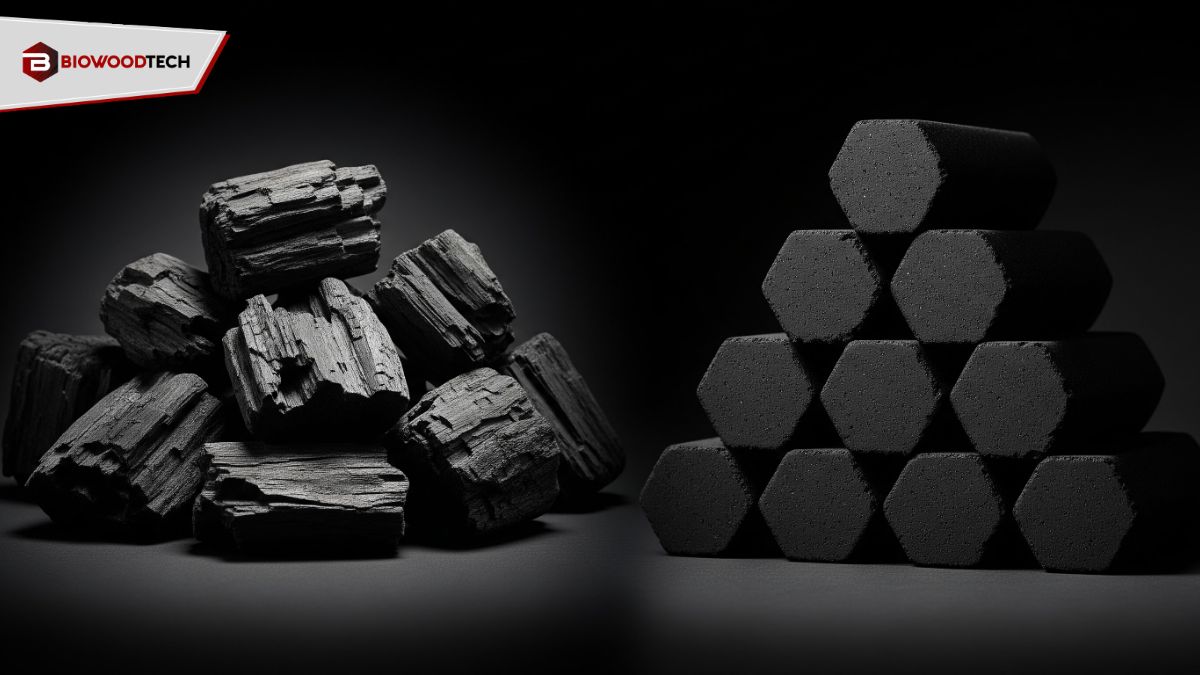
Lump is natural carbonised wood, while briquettes are compact blocks designed for steady, cleaner and longer burns.
Lump Charcoal Characteristics
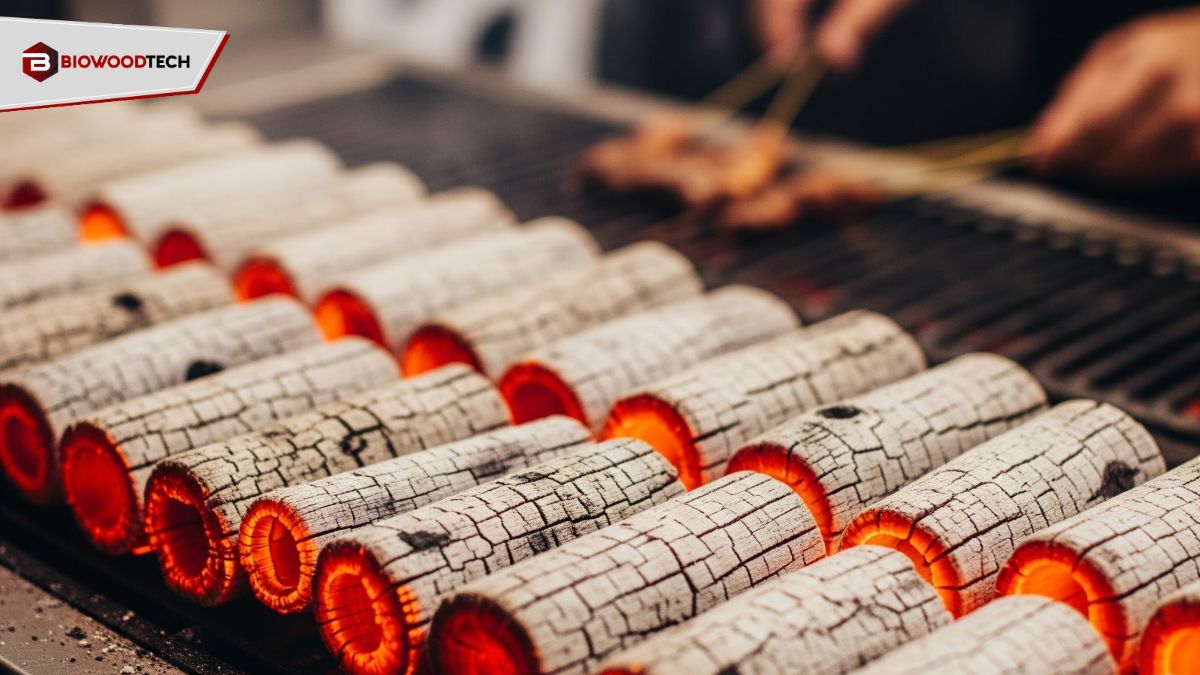
Lump charcoal starts as hardwood that is carbonised until only clean fuel remains. The pieces come in all shapes and sizes, which explains the fast ignition and strong heat.
The downside? Inconsistency. Since every bag can feel slightly different depending on the wood and the carbonising process.
- Natural composition: Pure carbonised hardwood without binders.
- Fast lighting: Heats up quickly for immediate cooking.
- Hot burn: Reaches high temperatures for quick sears.
- Variable sizes: Performance depends on how the supplier processes each batch.
Charcoal Briquette Characteristics
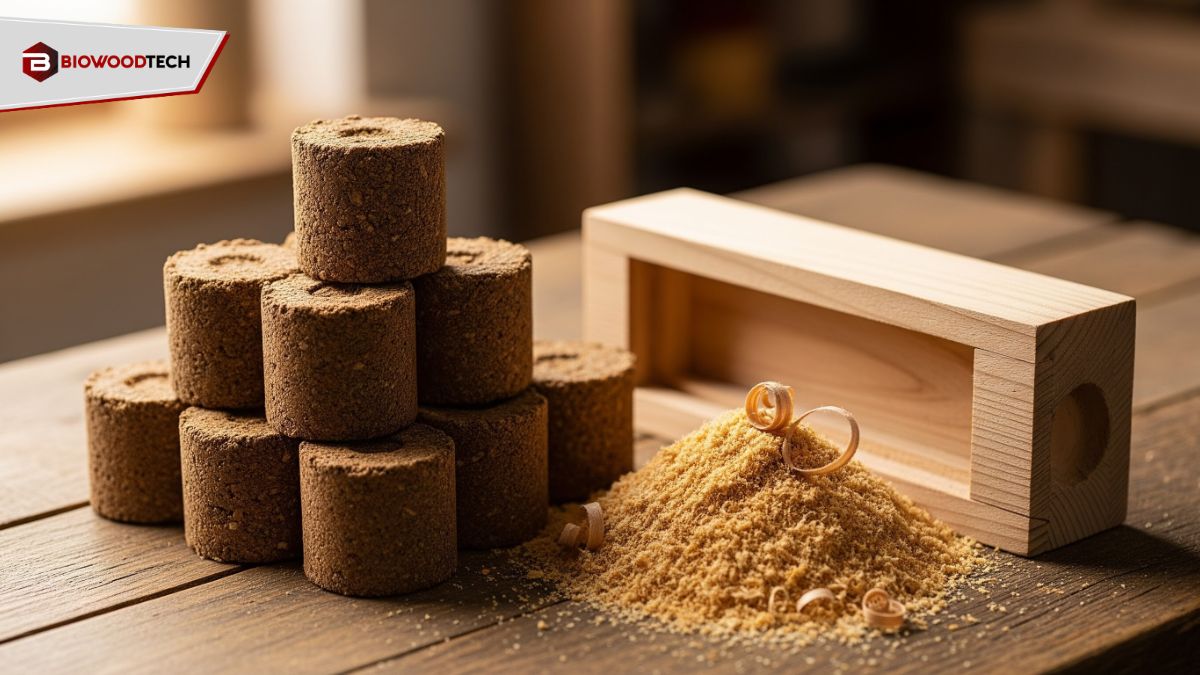
Charcoal briquettes are made from compressed biomass such as sawdust or coconut shells. A food safe binder keeps each piece uniform.
This uniformity is why briquettes burn steadily, feel easier to manage and suit kitchens that rely on predictable heat throughout service.
- Uniform shape: Consistent size for stable, predictable burning.
- Local biomass: Commonly made from sawdust and coconut shells in Malaysia.
- Cleaner handling: Lower surprise smoke and smoother exhaust under hoods.
- Long burn: Ideal for long operating hours or slow grilling styles.
Sawdust and coconut shell briquettes match Malaysia’s humid conditions (it’s a huge factor) and busy kitchen routines, especially when operators want smooth operation during peak hours.
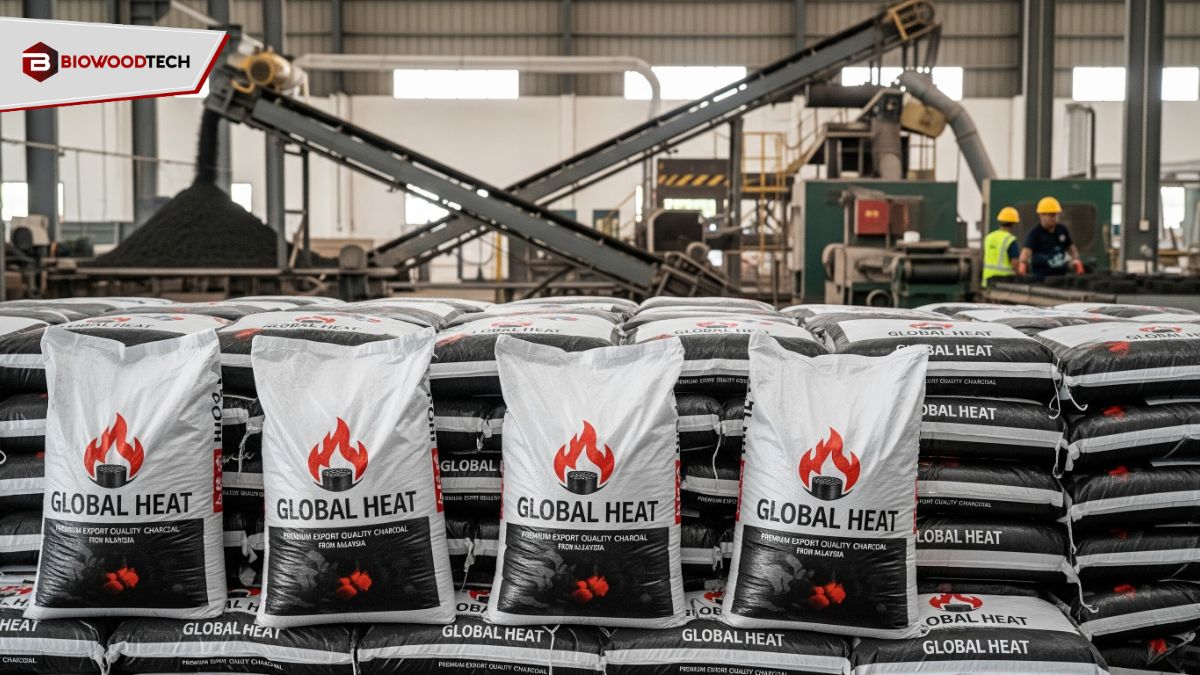
This abundance of high-quality raw material is a major reason behind the success of Charcoal for Export: Malaysia’s Role in Global Demand
How Do Briquettes And Lump Charcoal Perform In A Malaysian Kitchen?
Lump delivers strong peak heat while briquettes offer stable, predictable performance, and the right choice depends heavily on your kitchen layout and airflow.
Humidity is one of the most important factors in burn performance, and Malaysia is known for having plenty of it.
“Moist air, damp storerooms and sudden rain showers can affect how quickly charcoal lights and how steadily it burns.”
This is where the differences between lump and briquettes become obvious.
Why Some Malaysian Kitchens Prefer Lump Charcoal:
- Strong peak heat: Ideal for quick searing and high intensity grilling.
- Fast ignition: Useful when orders move quickly during peak times.
- Responsive flame: Adjusts easily to airflow and vent changes.
- Distinct flavour: Works well for smoked or heavily charred dishes.
Kitchens in shoplots, indoor food courts or mall units often pick briquettes instead.
Why Briquettes Suit Indoor or Semi Indoor Malaysian Setups
Briquettes do not fluctuate as wildly in temperature, which is helpful under hoods or limited ventilation.
They maintain steadier heat across lunch and dinner service, reducing the need for constant top-ups or adjustments.
- Stable heat: Holds consistent temperature over long hours.
- Humidity friendly: Handles moisture better than lump and stays usable longer.
- Lower smoke bursts: Reduces pressure on ducts, fans and shared exhaust systems.
- Predictable performance: Staff can follow clear burn routines for every shift.
If your operation relies on long continuous burns or you face strict smoke sensitivity from neighbours, briquettes can remove much of the concerns, so go ahead!
Which Charcoal Type Produces Less Smoke And Cleaner Exhaust?
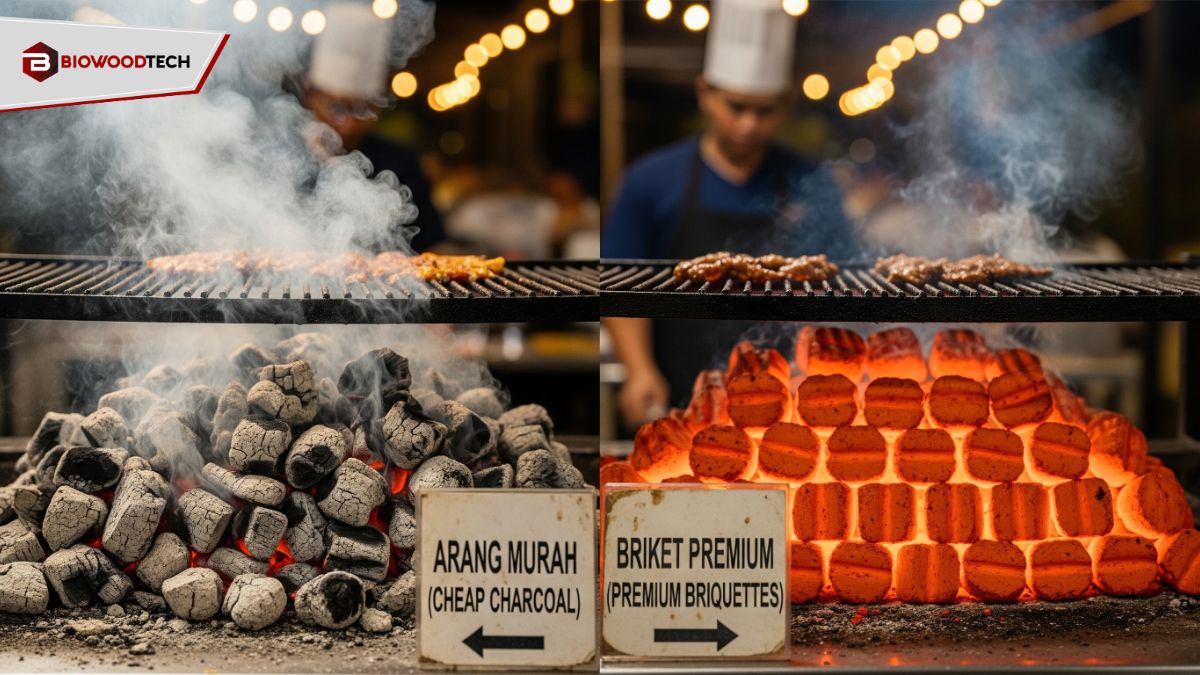
Briquettes tend to burn cleaner, while lump charcoal can create sudden smoke spikes depending on wood quality and airflow.
However, the truth is, it really depends on:
- Product quality
- Moisture
- Airflow and hood performance
Kitchens operating near tuition centres, homestays or residential units often deal with complaints whenever exhaust turns visibly dense.
This is often a factor many kitchens do not consider, so let’s go over them.
Lump Charcoal: When Smoke Becomes Unpredictable
Common Triggers for Smoke Bursts
- Large pieces igniting all at once
- Moisture inside the wood
- Tight airflow suddenly opened
- Mixed hardwoods creating mixed odours
Where this becomes a problem
- Shoplot grills facing busy pedestrian paths
- Second-floor residents with windows directly above the outlet
- Small kitchens with short exhaust ducts
Lump gives flavour and heat but is less forgiving in tight urban spaces. We do not recommend this.
Briquettes: A More Controlled Burn
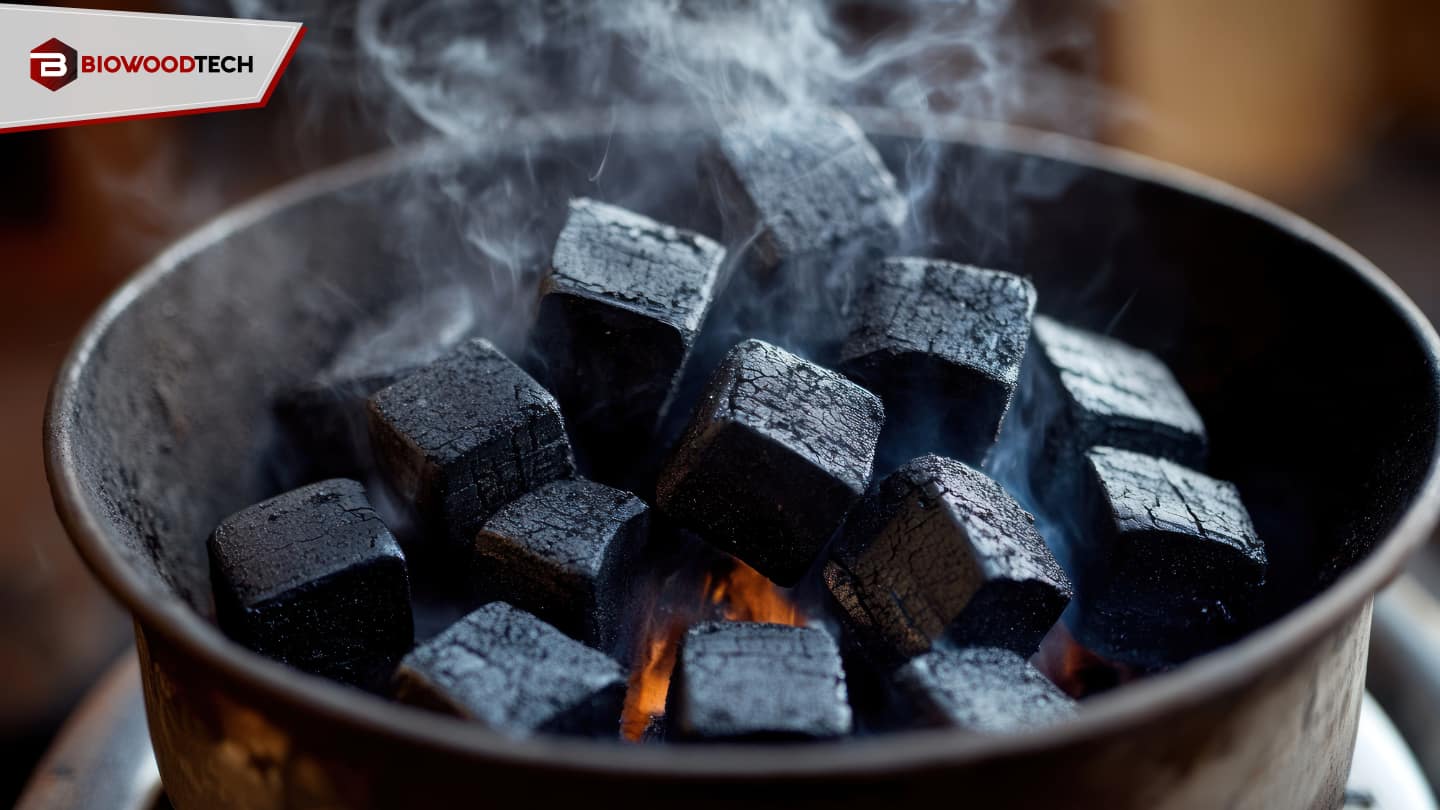
Briquettes, especially those made from biodegradable materials, burn in a steadier pattern with fewer dramatic jumps in flame or exhaust density.
In a nut shell: More consistent above all, clearer for longer periods.
What Briquettes Tend to Offer
- More even ignition
- Lower visible smoke
- Less ash entering the hood
- More predictable exhaust behaviour throughout service
Many semi indoor Malaysian kitchens choose briquettes because the controlled burn keeps hood systems stable and reduces the chance of a complaint mid-service.
So, we definitely recommend this.
How Do Costs Compare Once You Include Burn Time And Wastage?
Briquettes often appear pricier per bag, yet they usually burn longer and reduce mid-service top-ups.
Price per bag is only one part of the decision. The real cost depends on burn time, wastage and how frequently staff need to adjust the fire. A simple comparison illustrates this point:
Example scenario
- Lump may require more frequent refills during a three-hour buka puasa dinner rush..
- Briquettes, depending on BBQ charcoal grade, may hold steady heat for the entire session with fewer interruptions.
For operators who manage multiple outlets, standardising briquette usage also helps control monthly fuel consumption.
“Cooks know exactly how much charcoal to load before each service, which reduces variability and shortages..”
Lump becomes cost effective when the menu requires short bursts of high heat rather than long, continuous cooking.
How Should You Decide Between Charcoal Briquettes And Lump Charcoal?
Choose briquettes for stability and indoor proximity, and choose lump for speed and intense heat.
Here’s a decision making table to help narrow the choice:
| Scenario | Recommended Fuel | Reason |
| You cook in a shoplot with nearby residents | Coconut shell briquettes | Lower smoke and predictable exhaust behaviour |
| You run a satay or grilled seafood concept | Lump charcoal | Fast heat and strong charring control |
| You operate a homestay BBQ pit | Briquettes | Guests find them easier to light and manage |
| You use a charcoal oven for continuous service | Sawdust or coconut briquettes | Long burn time without frequent refills |
| You handle occasional weekend BBQs | Lump or mixed | Quick ignition and flexibility |
Your fuel decision should follow your space, not just your recipes.
- Kitchens with limited ventilation or sensitive surroundings benefit more from briquettes.
- Outdoor or open-air spaces can enjoy the intensity and flavour profile of lump.
Still unsure which one suits your needs?
Use this short checklist during supplier discussions:
- Ask for ash percentage and fixed carbon level.
- Check how many hours the briquette grade can hold steady heat. (6 hours is pretty good)
- Clarify storage requirements in humid weather (moisture can flare the grill)
- Request a small batch test to compare smoke levels under your hood. (Which we offer!)
Choosing Between Charcoal Briquettes and Lump Charcoal
Once you understand burn time, smoke behaviour, humidity and how your kitchen or pit operates, choosing the right charcoal becomes far simpler.
Both lump and briquettes work well in Malaysia, but each suits different needs and layouts.
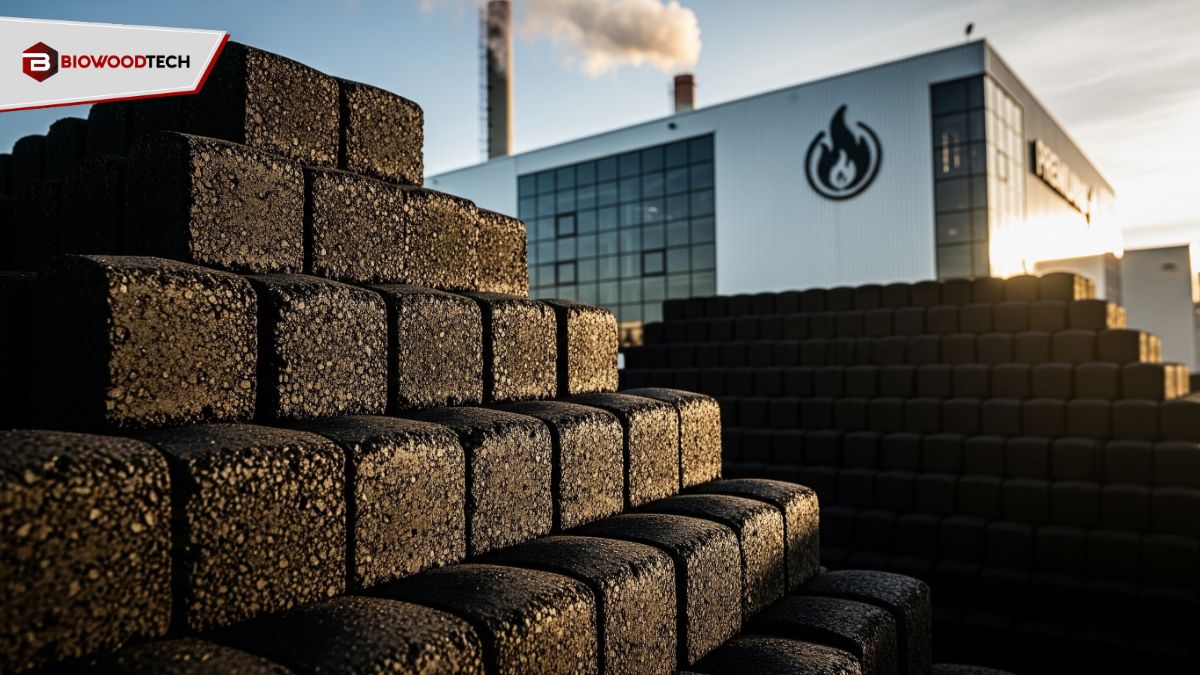
At Biowoodtech, we supply high quality BBQ charcoal that holds steady heat, keeps smoke manageable and works reliably across all setups.
If you want to see how our briquettes perform in your own kitchen or grill, you can request a FREE sample and test the difference for yourself!
The right charcoal should support your business, not disrupt it. So, let us help you find a cleaner and more stable fuel for your operation.
Frequently Asked Questions About Charcoal Briquettes vs Lump Charcoal
Briquettes are compressed biomass blocks that burn steadily with predictable heat. Lump charcoal is natural carbonised wood that burns hotter and lights faster but can be inconsistent in size and performance.
Yes, briquettes with food safe binders are suitable for cooking. They produce steadier heat and less smoke, which helps kitchens operating near enclosed areas or tight ventilation layouts.
Coconut shell briquettes are usually the cleanest choice. Their uniform density produces controlled exhaust and less visible smoke, which helps reduce neighbour complaints and pressure on the hood.
Yes. Many cooks start with lump for quick ignition then add briquettes to maintain stable heat. This works well for longer meal services or mixed menus.
Briquettes are more user friendly for guests because they light consistently and produce less smoke. They also generate less ash, which reduces mess in shared spaces.
Commercial premises must keep visible smoke within acceptable levels under general air quality requirements. Kitchens near residential units or shared walkways often choose lower smoke briquettes to avoid complaints or inspections.