Key Takeaways
- Cost per hour beats cost per kg: “Cheap” charcoal burns twice as fast, doubling your actual monthly spend.
- Ash is wasted money: High ash content means you are paying for non-combustible dust, not heat energy.
- Consistent heat cuts food waste: Stable temperatures prevent burnt satay and steaks during peak service hours.
- Labor efficiency gains: Longer burn times mean chefs stop refueling and focus on cooking during the rush.
- Sustainability is a selling point: Modern consumers prefer eco-friendly sawdust charcoal over mangrove destruction.
Why “Cheap” Charcoal is the Most Expensive Supply in Your Kitchen
Charcoal efficiency is defined by calorific value and fixed carbon content, not the price tag on the bag. While “budget” charcoal costs less upfront, its high moisture and fast burn rate force restaurants to consume 30–50% more volume per shift.
True value comes from Cost Per Service Hour, where premium briquettes often save businesses 20% annually despite a higher price per kilo.
It’s Friday night in Kuala Lumpur. Your restaurant is packed, orders are flying in, and suddenly—the grill loses heat.
Your head chef has to stop cooking, top up the charcoal, wait for ignition, and hope the temperature stabilizes before the next wagyu skewer hits the grate. That downtime costs you more than just momentum; it costs you table turnover.
Many procurement managers fixate on getting the lowest harga arang (charcoal price) per ton, ignoring the physics of combustion.
Here is why shifting your focus to burn performance protects your margins in 2026.
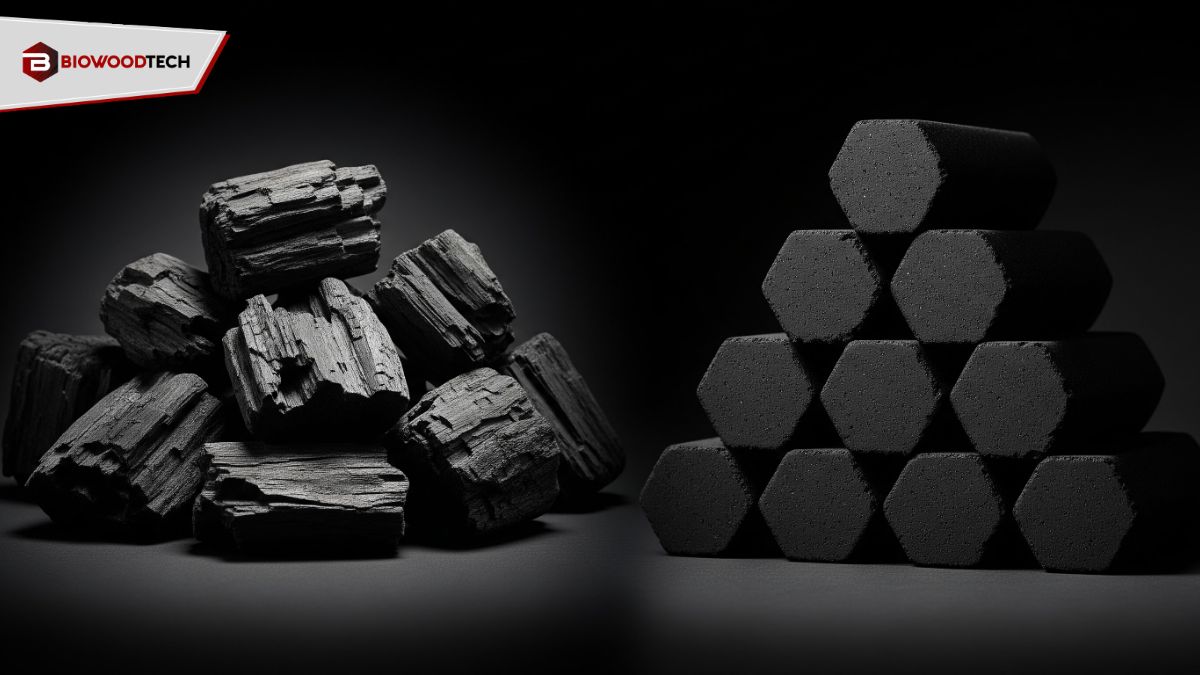
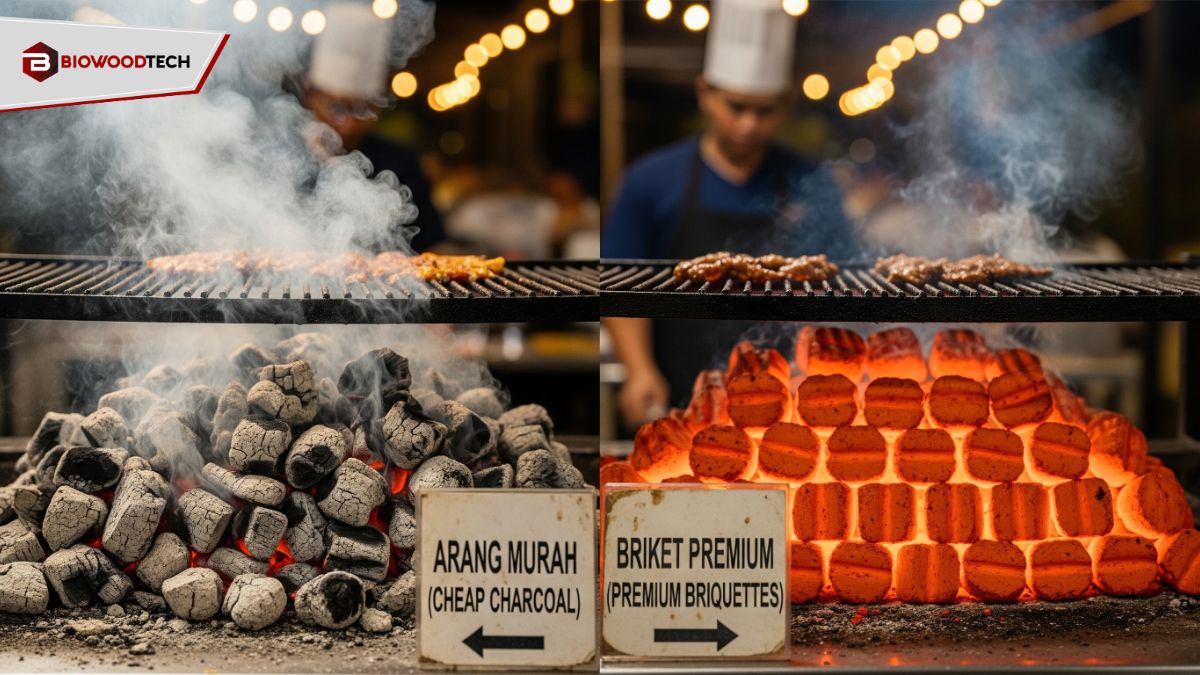
🧾 Comparison: “Budget” Lump vs. Premium Sawdust Charcoal
| Feature | “Cheap” Mangrove/Lump Charcoal | Premium Sawdust Briquettes | Winner |
| Burn Time | 1.5 – 2 Hours | 4 – 6 Hours | Briquettes |
| Ash Content | High (8–15%) | Low (<4%) | Briquettes |
| Heat Consistency | Volatile (Spikes & Drops) | Stable & Flat | Briquettes |
| Moisture | Variable (often damp) | Dry (<5%) | Briquettes |
| Sparks/Smoke | Common (Safety Risk) | Smokeless/Sparkless | Briquettes |
| Real Cost | High (High consumption rate) | Low (Low consumption rate) | Briquettes |
How does 10% lower ash content save restaurants RM200/month?
Ash is essentially “dead weight” that you paid for but cannot burn.
When you buy a ton of Grade C arang kayu (wood charcoal) with 15% ash content, you are essentially paying for 150kg of unburnable dust. That is money straight into the bin. In contrast, premium charcoal with under 4% ash ensures that 96% of your purchase is converted into heat energy.
The “Clean-Up” Cost:
Beyond the purchase price, high ash content creates operational drag. Kitchen porters spend more time clearing out clogged air vents and disposing of waste. In a high-volume grill, clogged airflow kills heat consistency, forcing chefs to use even more fuel to compensate. By switching to cleaner sawdust charcoal, you reduce waste disposal frequency and ensure every Ringgit spent generates heat.
Stat Block:
A typical KL satay joint using 500kg of high-ash charcoal monthly throws away ~75kg of waste. Switching to low-ash briquettes reduces this to <20kg.
Why longer burn time = fewer staff interventions during service?
Stability is the invisible ingredient in a profitable kitchen.
The hidden killer of kitchen efficiency is “tending time.” If your grill chef has to refuel every 45 minutes because the cheap charcoal burned out, that is 5–10 minutes per hour they aren’t cooking. Over a 6-hour service, that’s nearly an hour of lost productivity.
The “Set and Forget” Advantage:
High-density charcoal briquettes are compressed to burn slowly and evenly for 4 to 6 hours. This allows kitchen teams to load the grill at 5 PM and often run through the entire dinner rush without a major reload. Less intervention means faster ticket times and happier customers.
Real-World Scenario:
Imagine a busy steakhouse. Using fast-burning lump charcoal creates temperature valleys. Steaks ordered at 7:15 PM sear perfectly, but steaks ordered at 7:45 PM (just before a top-up) end up stewing in low heat. Premium charcoal eliminates this variance.
Does consistent heat reduce food waste in professional kitchens?
Predictable fuel leads to predictable cooking results.
One of the biggest complaints with generic arang kayu is the “spark and spike” effect. Lower-grade charcoal often contains air pockets or moisture that cause sudden temperature spikes or popping sparks. These inconsistencies can scorch delicate items like seafood or dry out expensive cuts of meat.
The Consistency Factor:
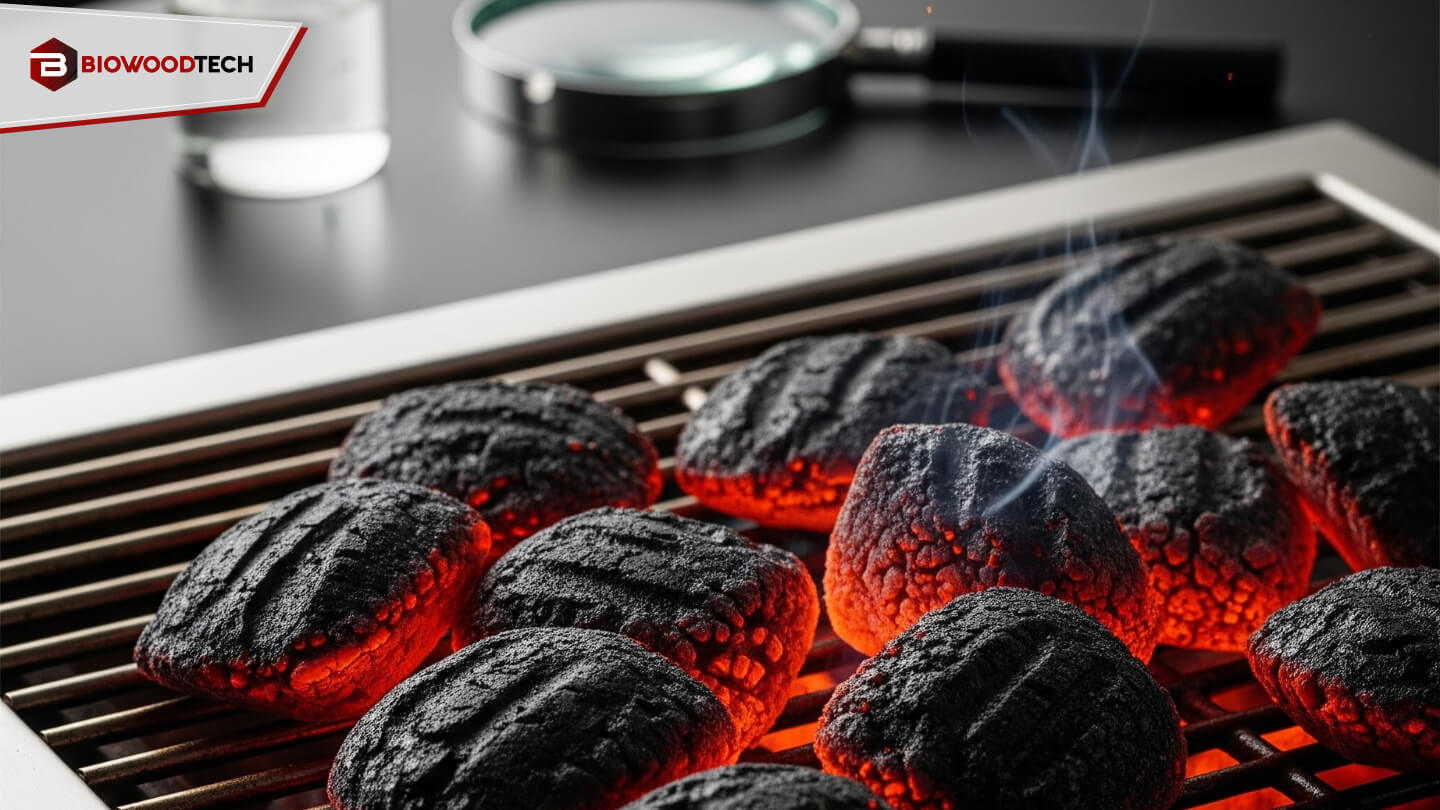
Premium briquettes provide a flat heat curve—steady, intense radiation without random flare-ups. This predictability allows chefs to standardize cooking times. When a chef knows exactly how the heat behaves, fewer dishes are sent back to the kitchen, directly impacting your food cost percentage.
Pro Tip:
For automated rotisseries or satellite kitchens, heat consistency is mandatory. You cannot automate a process if the fuel source varies from bag to bag.
When is “cheap charcoal” actually more expensive long-term?
The Math of Consumption: Buying Air and Water.
Let’s look at the ROI (Return on Investment) of charcoal price per ton. A common mistake is comparing the price tag without comparing the consumption rate.
The Calculation:
- Scenario A (Cheap): You buy charcoal at RM1.50/kg. You use 30kg per night. Daily Cost = RM45.
- Scenario B (Premium): You buy charcoal at RM2.50/kg. Because it burns hotter and longer, you only use 12kg per night. Daily Cost = RM30.
In this scenario, the “expensive” charcoal actually saves the restaurant RM15 per day, or roughly RM450 per month. Multiply that by 12 months, and the “cheap” option is costing you over RM5,000 a year in excess fuel consumption.
Comparison:
It is like buying a car that costs less upfront but guzzles twice as much petrol. The operating cost always outweighs the sticker price.
Conclusion: Stop Burning Your Margins
In the competitive Malaysian F&B landscape of 2026, efficiency is survival. While the harga arang on an invoice might look attractive, the hidden costs of high ash, short burn times, and wasted chef labor eat into your bottom line.
Smart restaurateurs and procurement officers know that value isn’t about the cheapest bag—it’s about the most reliable heat.
By partnering with a reputable charcoal provider who understands the physics of grilling, you turn a consumable expense into a competitive advantage.
FAQ: Charcoal Efficiency & Costs
Sparks are usually caused by high moisture content or impurities (like bark and sand) inside the charcoal. As the moisture boils and expands, it causes the coal to pop.
For a deeper dive into the science behind smokeless fuel, read our post: What is Smokeless Charcoal: Myth or Reality?
Track your usage by weight for one week with your current supply, then test a premium brand for one week. Compare the Total Cost vs. Total Sales for those weeks, not just the price per bag.
Sawdust charcoal is denser and has a higher fixed carbon content. It burns longer and hotter, meaning you use significantly less volume to achieve the same cooking result.
Charcoal is hydroscopic, meaning it absorbs moisture from the air. If cheap charcoal is stored poorly (or was wet when you bought it), its performance drops immediately, wasting your money.
Yes. While the upfront cost is higher, the longer burn time means stall owners spend less time fanning the fire and topping up fuel, allowing them to serve more customers faster.
Look for ash content below 4-5%. Anything above 8% means you are paying for filler material that blocks airflow and creates mess.