Key Takeaways
- Smokeless charcoal is real, but in practice it means less visible smoke after stabilising, not a completely smoke-free grill.
- Most smoke issues happen during lighting or when oily foods drip onto hot coals, a common problem in compact cooking spaces.
- Well-carbonised, high-carbon charcoal burns cleaner than standard charcoal sold in bulk or loosely packed bags.
- Charcoal briquettes differ widely; moisture, storage conditions, and binders affect smoke more than branding claims.
- Lower smoke improves comfort in shared living areas, but carbon monoxide risk still applies and proper ventilation remains necessary.
Smokeless charcoal is real, but the term is often misunderstood. It refers to charcoal that produces very little visible smoke once fully lit, not charcoal that never smokes at all.
If you have ever fired up a grill and watched thick white smoke roll out in the first few minutes, you have probably wondered if “smokeless charcoal” is just a marketing line.
Some people swear it works, others say it is nonsense. The truth sits in between, and understanding it saves money, frustration, and a lot of unnecessary smoke.
So today, we will explain what smokeless charcoal actually means, why it behaves differently from normal charcoal, and how to tell marketing claims from practical reality.
Smokeless Charcoal vs Normal Charcoal
| Type | Best For | Smoke Level | Strengths | Limitations |
| Smokeless Charcoal | Home grilling, restaurants, cleaner BBQ | Low | High carbon content, low odour, cleaner burn | Higher cost; still smokes during lighting |
| Lump Charcoal | Traditional BBQ, high heat cooking | Medium | Natural wood flavour, burns hot | Inconsistent size; smoke varies by batch |
| Charcoal Briquettes | Long cooks, stable temperatures | Low to Medium | Even burn, longer burn time | Additives may increase smoke; quality varies |
| Binchotan-style Charcoal | Tabletop grills, premium use | Very Low | Extremely clean burn, reusable, almost no smell | Very expensive; slow to light |
| Shisha Charcoal | Hookah use only | Low | Clean, steady heat from coconut shell | Not suitable for cooking |
What Does “Smokeless” Actually Mean in Charcoal?
Smokeless means low visible smoke during steady burning, not smoke-free combustion.
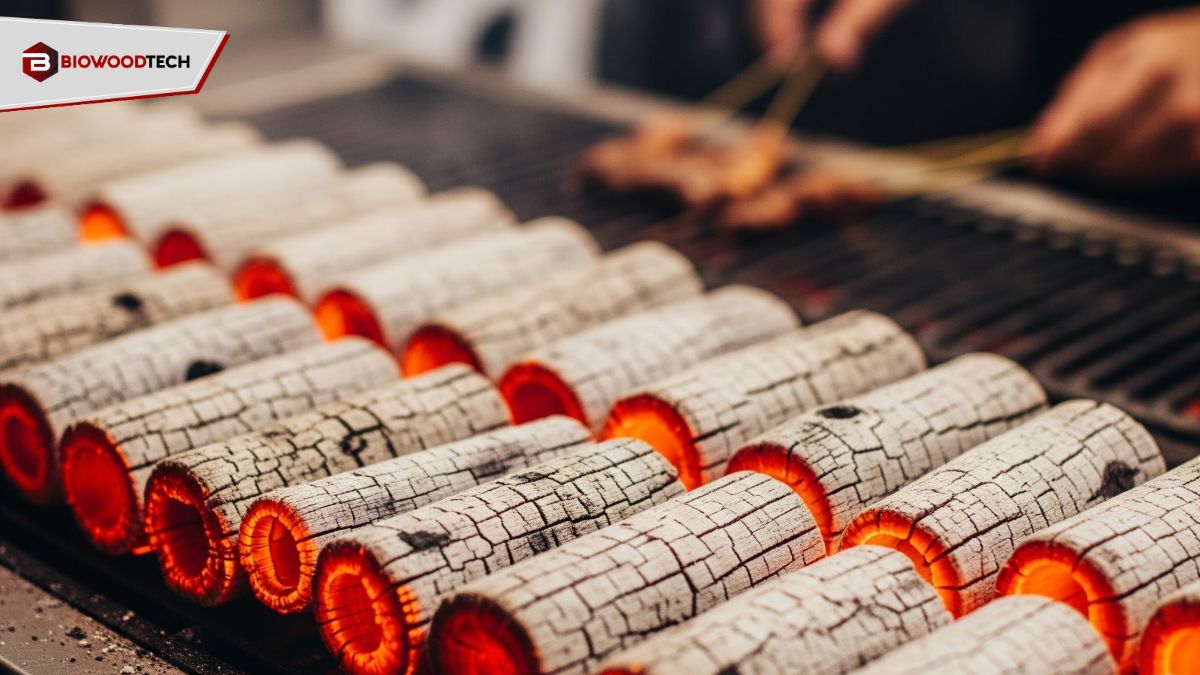
Charcoal smokes because of volatile compounds left in the fuel. When charcoal is carbonised more thoroughly, most of these compounds are removed. The result is a cleaner burn with very little visible smoke once the charcoal is fully lit.
However, no charcoal is truly smoke-free. During ignition, remaining moisture and residues burn off. That first 5 to 15 minutes is where most smoke appears.
Why Does Normal Charcoal Produce More Smoke?
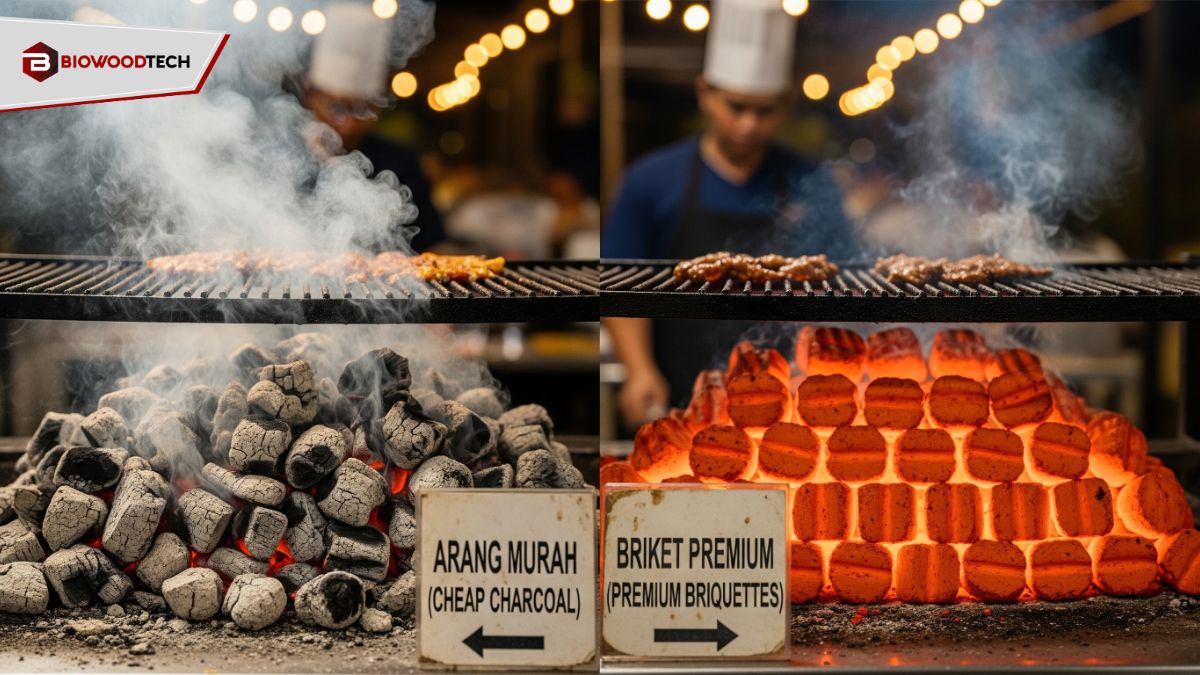
Normal charcoal contains more impurities and uneven carbonisation.
Lower-grade charcoal often has:
- Higher moisture content
- More leftover resins and tars
- Inconsistent burning surfaces
When heated, these materials burn off as smoke. This is why cheaper charcoal can smell sharper and look smokier, especially early on.
Why Was Smokeless Charcoal Developed in the First Place?
Smokeless charcoal was developed to reduce visible smoke and odour in tighter, more controlled cooking environments.
As cooking increasingly takes place in apartments, terrace houses with close neighbours, and shared spaces, heavy smoke becomes less practical.
The goal was never to eliminate combustion by-products entirely, but to:
- Reduce discomfort
- Visibility issues
- Lingering smells
- Complaints from neighbours
Higher-carbon charcoal answered this need. By removing more volatile compounds during production, charcoal manufacturers created charcoal that burns cleaner once stabilised.
How Is Smokeless Charcoal Made Differently?
The difference lies in carbonisation and material quality.
Smokeless charcoal is usually:
- Carbonised at higher temperatures
- Made from denser raw materials such as hardwood or coconut shells
- Processed longer to remove volatile matter
This creates charcoal that burns hotter, longer, and cleaner. It also produces less ash and fewer sparks, which many people notice immediately.
How Humidity and Weather Affect Smoke Levels
Malaysia’s humidity can make even “smokeless” charcoal smoke more than expected if storage and handling are overlooked.
Charcoal is porous by nature. In humid conditions, it absorbs moisture from the air, especially when stored in open bags, loose packaging, or outdoor areas.
This is why the same charcoal may behave differently on a dry evening compared to a humid or rainy day. The charcoal itself has not changed; the moisture content has.
To reduce unnecessary smoke:
- Store charcoal in sealed, moisture-resistant packaging
- Keep it off the floor and away from open air
- Avoid lighting charcoal immediately after rain or prolonged exposure to humidity
Many complaints about “smokeless charcoal not working” are caused by weather and storage conditions rather than poor charcoal quality.
What Smokeless Charcoal Is Not
Smokeless charcoal reduces smoke, but it does not eliminate all risks or emissions. Let us repeat it again, smokeless charcoal is not completely smoke-free.
Common misunderstandings include:
- It is not smoke-free during lighting or ignition
- It does not eliminate carbon monoxide production
- It is not designed for enclosed indoor spaces without proper exhaust systems
- It is not the same as electric or gas cooking
Most smoke complaints happen during the first few minutes of lighting or when food drips onto hot coals. Smokeless charcoal addresses steady-burn smoke, not every possible smoke source.
Do Charcoal Briquettes Count as Smokeless Charcoal?
Sometimes, but not always.
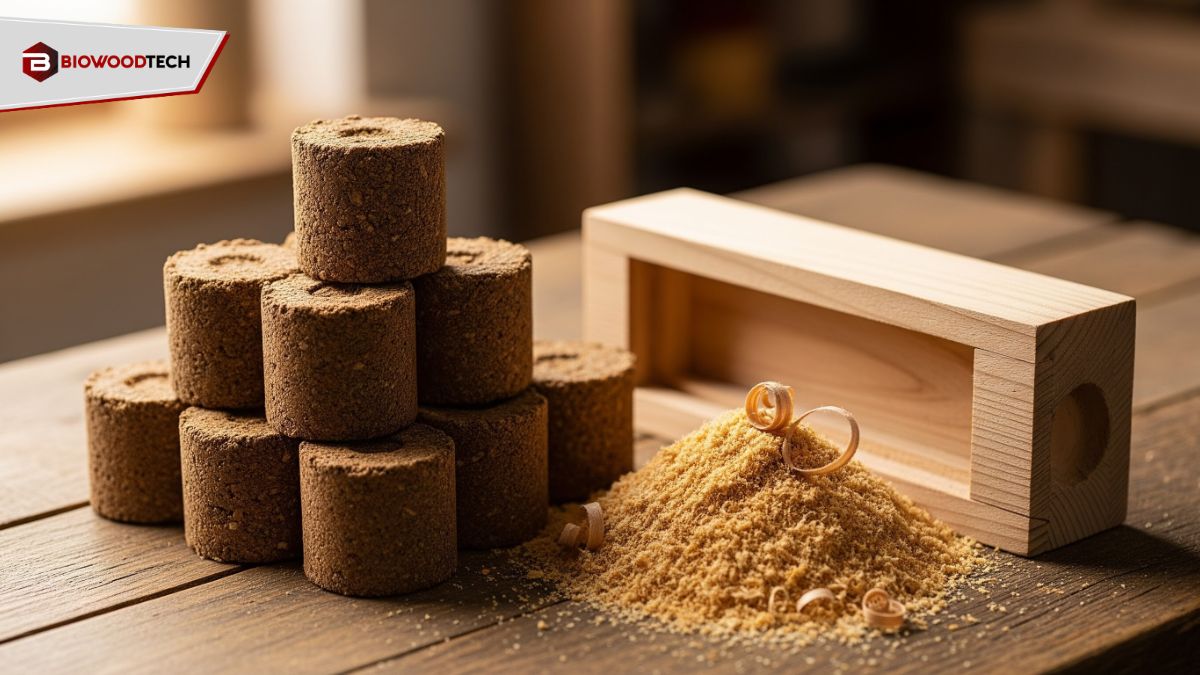
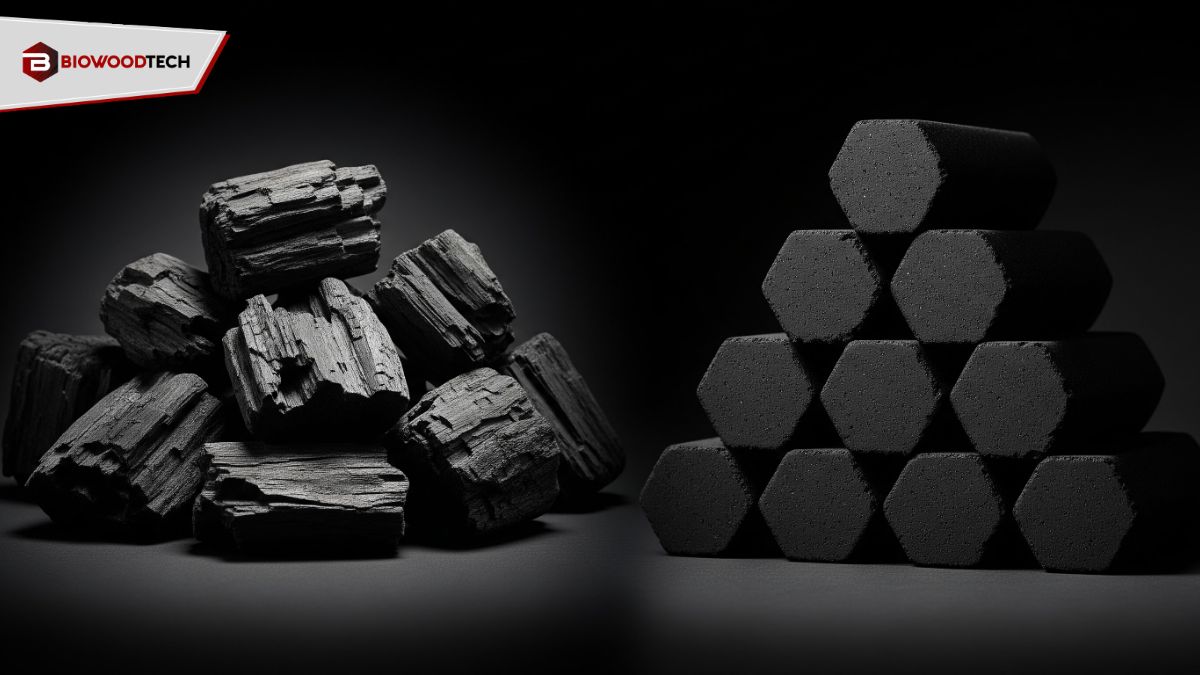
Charcoal briquettes are compressed charcoal mixed with binders. High-quality briquettes use minimal additives and low moisture content, producing relatively low smoke.
However, we should reiterate that poor-quality briquettes can smoke more than lump charcoal due to fillers and damp storage.
If briquettes are marketed as smokeless, check:
- Binder type
- Moisture resistance
- Ash percentage
The label alone is not enough, we would know, because we sell them!
How to Tell If Charcoal Is Truly Low-Smoke
You can evaluate smokeless charcoal without specialised equipment by observing a few clear indicators:
- Lighting phase: Expect smoke at the start, but note how quickly it clears. Low-smoke charcoal stabilises faster.
- Smell: Sharp or chemical smells suggest impurities; neutral or mild scent indicates higher carbonisation.
- Steady burn: Once glowing, visible smoke should be minimal unless food drips occur.
- Ash quality: Fine, light ash usually means cleaner combustion.
- Consistency: If reused, good smokeless charcoal behaves similarly each time.
If smoke lingers long after ignition under the same conditions, the charcoal is likely not as “smokeless” as claimed.
Why Does “Smokeless” Charcoal Still Smoke on My Grill?
When it comes to grilling, smoke often comes from sources other than the charcoal.
Common causes include:
- Lighting fuel such as firelighters or lighter fluid
- Fat dripping onto hot charcoal
- Marinades with sugar or oil
- Poor airflow in grills or enclosed spaces
Once charcoal is glowing and airflow is stable, true smokeless charcoal produces very little visible smoke.
Is Smokeless Charcoal Safe for Indoor Use?
Lower visible smoke does not make charcoal safe to use indoors.
All charcoal produces carbon monoxide, that is its nature. Even charcoal marketed as smokeless can be dangerous in enclosed or poorly ventilated areas. This is why indoor grilling requires:
- Proper ventilation systems
- CO detectors
- Equipment designed for indoor use
So before you grill that satay at your open house, be mindful of this and try to cook outdoors.
When Smokeless Charcoal Makes More Sense in Daily Cooking
Smokeless charcoal suits situations where smoke control matters more than intense smoky flavour.
It is especially useful when:
- Cooking near living areas where smoke travels easily such as apartments
- Hosting small gatherings where comfort matters
- Using compact grills with limited airflow
- Cooking foods that drip oils or marinades
In these cases, reducing unnecessary smoke improves the overall experience without changing cooking methods.
Fun Fact: Malaysia Exports of wood and charcoal was US$2.25 Billion during 2024, with major exporter partners being Japan!
Common Mistakes When Buying Smokeless Charcoal
Most disappointments come from expectations, not the product itself.
Frequent mistakes include:
- Assuming “smokeless” means safe for enclosed indoor use
- Ignoring moisture-resistant packaging and storage
- Using heavy firelighters that create smoke regardless of charcoal quality
- Comparing low-smoke charcoal using different grills or airflow setups
Choosing the right charcoal works best when paired with correct lighting and cooking methods. No pouring hot water onto the coals while grilling please.
Smokeless Charcoal: What The Term Really Means
Smokeless charcoal is not a myth, but it is often misunderstood. It does not remove smoke entirely; it reduces unnecessary smoke caused by moisture and poor processing. Once this is understood, choosing the right charcoal becomes much simpler.
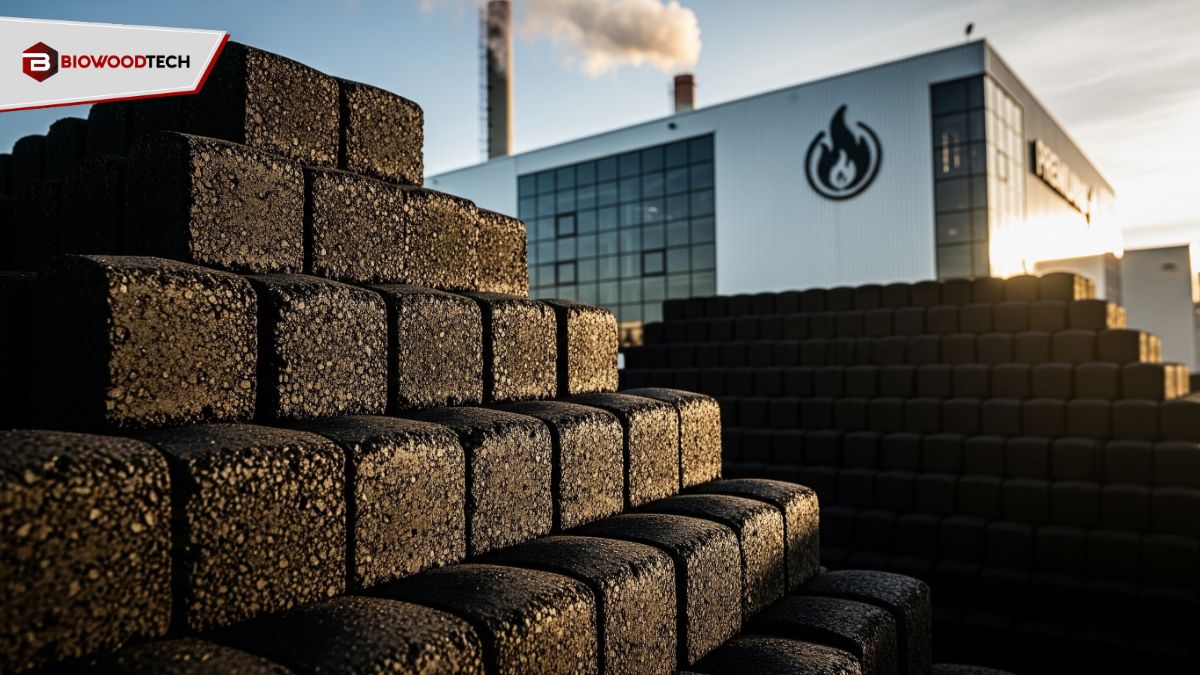
At Biowoodtech, we focus on producing high-quality charcoal sawdust briquettes with controlled carbon content and low moisture levels, designed to burn cleaner and more consistently after ignition.
If you are looking for reliable, low-smoke performance based on how charcoal is made, not how it is labelled, we are ready to help.
Disclaimer: This content is provided for informational purposes only and reflects general best practices at the time of writing. It is not professional safety, health, or legal advice. Biowoodtech is not responsible for how readers use this information. Always follow product labels, appliance manuals, and local regulations, and never burn charcoal in enclosed or poorly ventilated spaces.
Frequently Asked Questions About Smokeless Charcoal
No. It produces minimal smoke once fully lit, but smoke still appears during ignition and from food drippings.
Moisture and leftover compounds burn off during lighting. This is normal and temporary.
It usually produces a cleaner, neutral heat, allowing food flavours to stand out.
Some are, some are not. Quality and binder type make a big difference.
It is cleaner, not safer. Carbon monoxide risk still exists.
If you value cleaner grilling, less smell, and more consistent heat, it often is.What is Smokeless Charcoal: Myth or Reality?