Key Takeaways
- Humidity is the enemy: Malaysia’s 80%+ humidity can ruin charcoal ignition and heat output within days.
- Elevation is mandatory: Never store bags directly on concrete floors; use wooden or plastic pallets.
- Sealing is critical: Once opened, charcoal must be transferred to airtight bins or resealed tightly.
- FIFO Protocol: Always use the “First-In, First-Out” method to prevent old stock from absorbing moisture.
- Supplier Quality: Starting with dense, well-carbonized briquettes reduces moisture absorption rates.
Does Your Charcoal Hard to Light?
If your charcoal hisses, sparks excessively, or takes forever to ignite, it hasn’t “gone bad”—it’s just wet.
In Malaysia’s tropical climate, high humidity is the silent killer of charcoal efficiency. For restaurant owners and distributors, this translates to wasted fuel, inconsistent cooking temperatures, and slower table turnover.
Proper storage isn’t just about tidiness; it’s about protecting your profit margins. This guide covers exactly how to keep your stock dry and powerful.
🧾 Dry vs. Damp Charcoal Performance
| Feature | Dry Charcoal (Properly Stored) | Damp Charcoal (Exposed to Humidity) | Impact on Business |
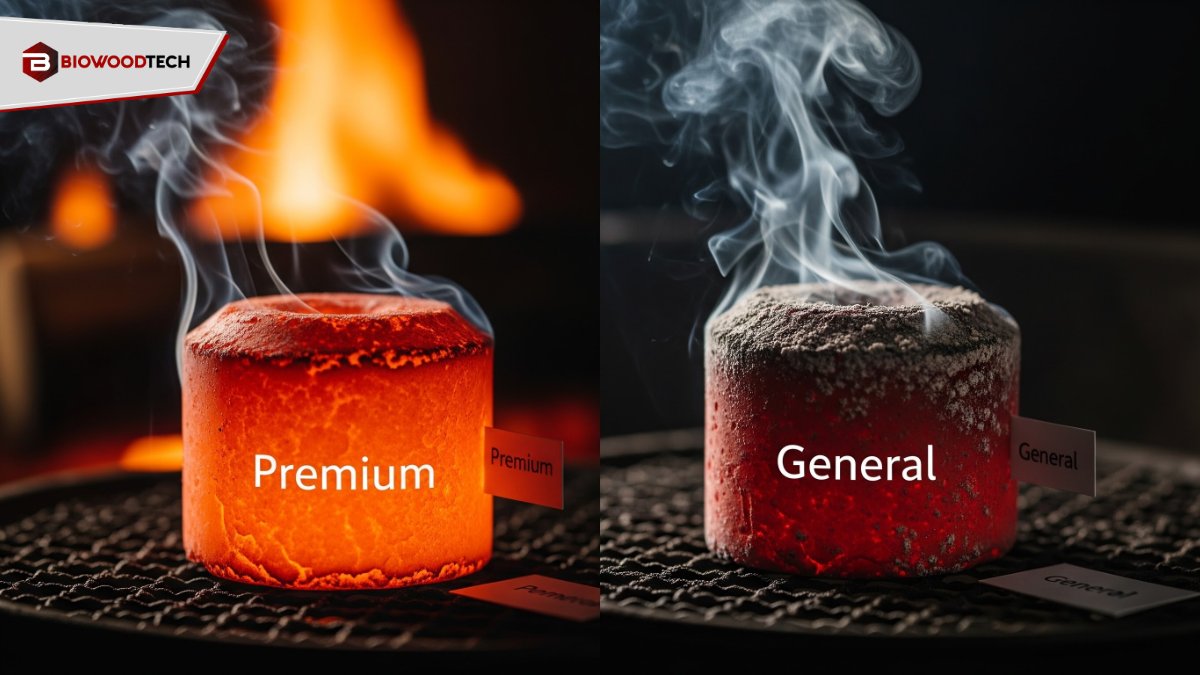
| Ignition Time | 10–15 Minutes | 30–45 Minutes | Delays service and frustrates chefs. |
| Heat Output | High & Stable (>100°C) | Fluctuation / Low Heat | Uneven cooking; food may be returned. |
| Smoke Level | Low / Smokeless | Heavy White Smoke | Discomfort for guests and staff. |
| Sound | Silent Burn | Popping / Sparking | Safety hazard in open kitchens. |
| Burn Duration | Up to 6 Hours | < 3 Hours | Higher fuel costs (using more to maintain heat). |
Why Does Charcoal Absorb Moisture So Quickly?
Charcoal is effectively a hard sponge that pulls water vapor from the air.
Charcoal is hygroscopic, meaning it naturally attracts and holds water molecules from the surrounding environment. In a country like Malaysia, where average relative humidity often exceeds 80%, a bag of charcoal left open can increase its moisture content from a standard 5% to over 15% in just a few days.
When you try to light damp charcoal, the heat energy is wasted evaporating the water before the carbon can actually burn. This physics problem is why your “premium” charcoal might suddenly feel like low-grade fuel if stored incorrectly. The denser the charcoal—like high-quality sawdust briquettes—the more resistant it is to moisture, but even the best kayu arang needs protection.
Where is the Best Place to Store Bulk Charcoal?
The ideal location is indoors, elevated, and away from kitchen steam.
For restaurants and wholesalers holding large inventory, the “back of the kitchen” is often the worst place due to steam, washing areas, and spills.
- Ventilation: Choose a dry storage room with good air circulation. Stagnant, humid air accelerates spoilage.
- Temperature: Avoid areas next to ovens or direct sunlight. While heat dries things, fluctuating temperatures can cause condensation inside plastic wrapping.
- Distance: Keep charcoal away from chemicals, onions, or durian. Charcoal is a powerful filter and will absorb nearby odors, which can transfer to the food you grill.
How Should You Stack and Organize Inventory?
Use the Pallet System and FIFO method to ensure consistency.
Never stack charcoal bags directly on a concrete or tiled floor. Concrete creates a “thermal bridge” that transfers ground moisture effectively into the bottom layer of paper bags.
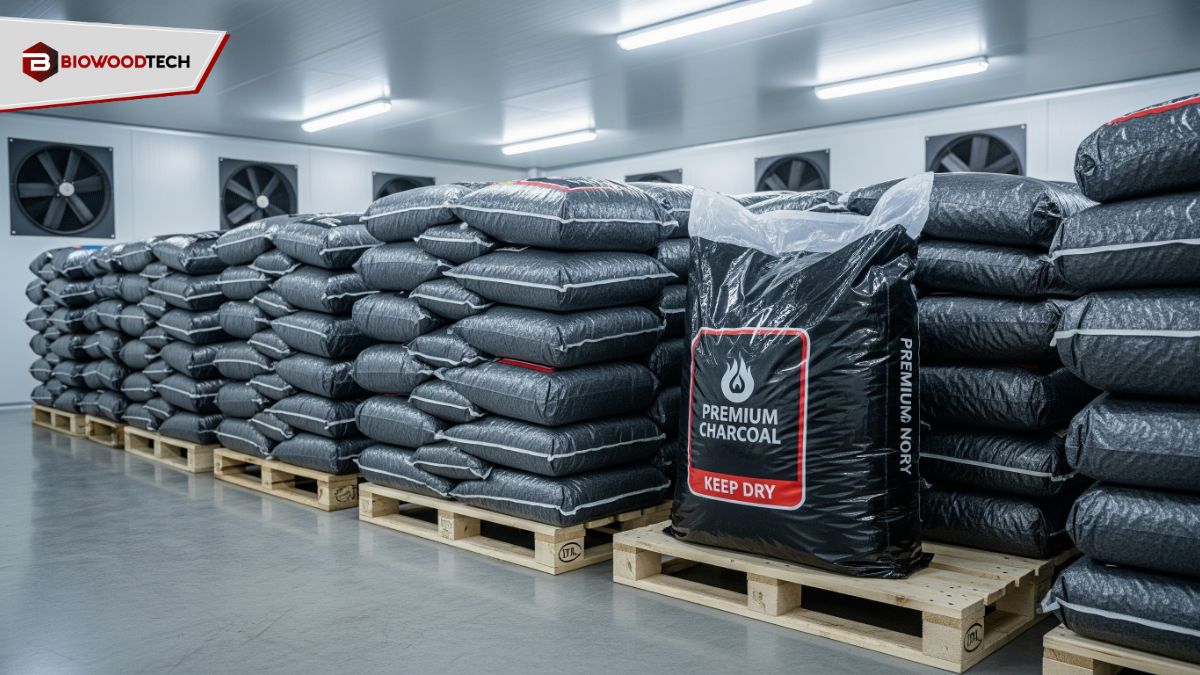
- Use Pallets: Place all stock on wooden or plastic pallets, keeping it at least 6 inches off the ground.
- Gap the Walls: Leave a 10cm gap between your stacks and the wall to allow airflow and prevent condensation transfer.
- FIFO (First-In, First-Out): New stock goes to the back. Old stock comes to the front. This prevents bags from sitting in the corner for months, slowly degrading.
How Do You Protect Open Bags?
Airtight containment is the only defense against humidity.
Once a manufacturing seal is broken, the clock starts ticking. Folding the top of a paper bag is rarely enough in Malaysia.
- For Commercial Kitchens: Transfer opened charcoal into heavy-duty plastic bins with latch-locking lids.
- Desiccants: For long-term storage, toss a few large silica gel packets into the bin. They help scavenge any moisture trapped inside.
- Original Packaging: If you must keep it in the bag, roll the top down tightly and use a strong clamp, then place the entire bag inside a plastic garbage bag and tie it off.
Do you provide lab test reports?
Verified specs ensure you aren’t paying for water weight.
When sourcing for a natural charcoal supplier malaysia, storage life actually begins with the manufacturing quality. Low-grade charcoal is often porous and soft, absorbing moisture rapidly.
Reputable manufacturers like Biowoodtech provide lab test reports (Analysis of Quality) upon request. These reports verify critical data points:
- Moisture Content: Should be below 6-8% upon delivery.
- Ash Content: Lower ash means more pure carbon.
- Fixed Carbon: High fixed carbon (>80%) indicates a denser product that is less prone to rapid moisture intake compared to soft wood charcoal.
What’s your typical lead time?
Fresh stock performs better than warehouse-aged inventory.
In the B2B context, “storage” also involves how long the product sat at the distributor’s warehouse. Understanding lead times helps you manage your own inventory so you don’t overstock and risk spoilage.
- Factory Direct: Purchasing from a manufacturer usually guarantees the stock is fresh from the kiln.
- Standard Orders: Typical lead times for domestic wholesale orders in Malaysia range from 3 to 7 working days depending on volume (e.g., 1 ton vs. full container).
- Export/OEM: Custom orders typically require 2–4 weeks for production and packaging.
Can you customise briquette shape?
Optimizing shape can improve stacking density and storage efficiency.
Yes, OEM Charcoal Services: Custom Shapes, Logos & Packaging services allow for customization. For large franchise operations, the shape of the charcoal affects not just burning, but storage logistics.
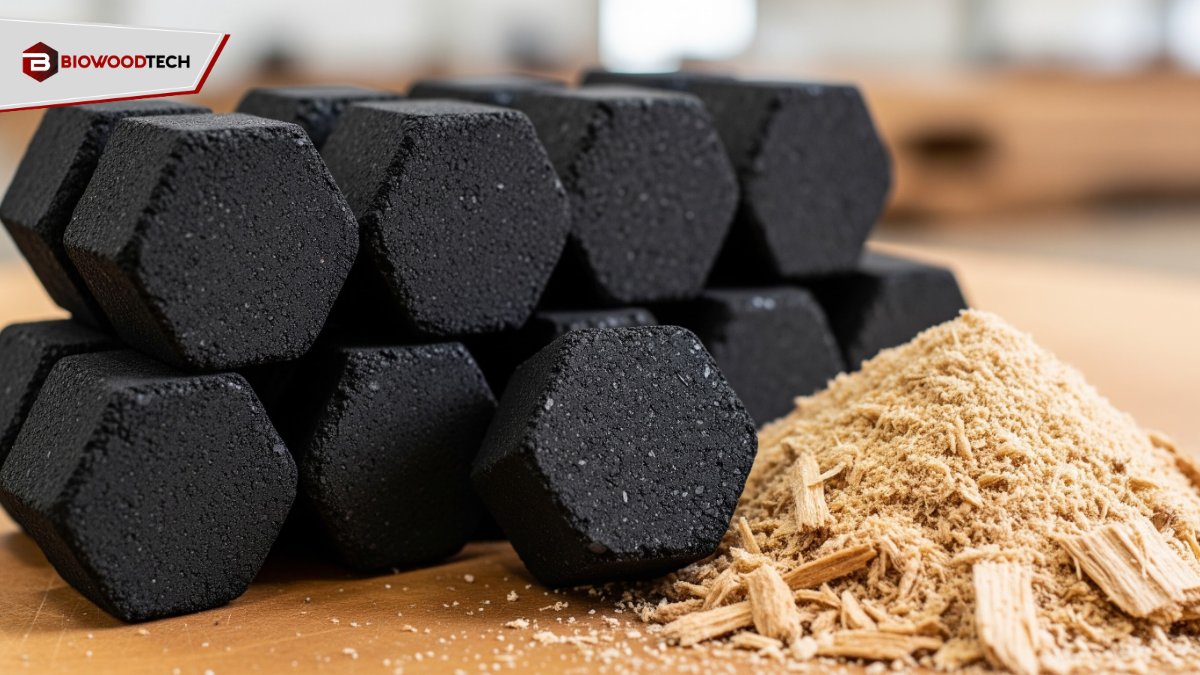
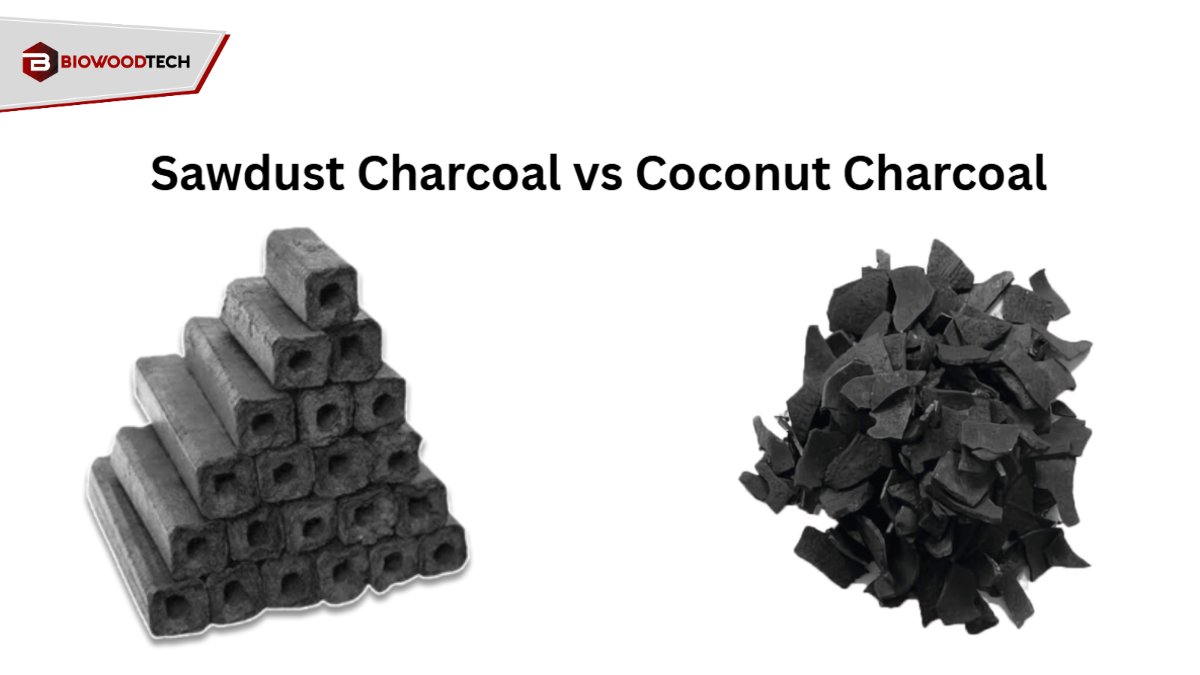
- Hexagonal/Square: These shapes stack flush against each other with zero wasted space, allowing you to store more weight in a smaller footprint.
- Length: Customizing briquette length (e.g., shorter 3-inch cuts vs. long 6-inch logs) can make it easier to store inside specific kitchen bins or under counters.
- Packaging: You can request moisture-resistant inner plastic liners within the cardboard boxes for added protection during shipping and storage.
Still dealing with inconsistent heat?
If your storage is perfect but your fire is weak, the issue might be the charcoal itself. Biowoodtech produces high-density sawdust briquettes designed to resist moisture and burn longer.
Frequently Asked Questions About Charcoal Popping and Sparking
Popping occurs when trapped moisture inside the charcoal expands rapidly into steam when heated. This is a clear sign your charcoal has absorbed humidity due to poor storage.
Yes. Spread the damp charcoal in a single layer under the hot sun for 1–2 days. For faster results, some chefs place it near (but not in) a warm oven to drive out moisture before service.
If kept in an airtight container off the ground, charcoal can last indefinitely. If left in an opened bag in a humid kitchen, it can degrade within 1–2 weeks.
Charcoal is elemental carbon and does not “expire” or rot. It only becomes less effective if it absorbs water. Drying it out restores its combustibility.
A rigid plastic bin with a rubber gasket seal (like a heavy-duty trash bin or food storage tub) is the best option. Metal bins work too but can rust in humid environments.