Key Takeaways
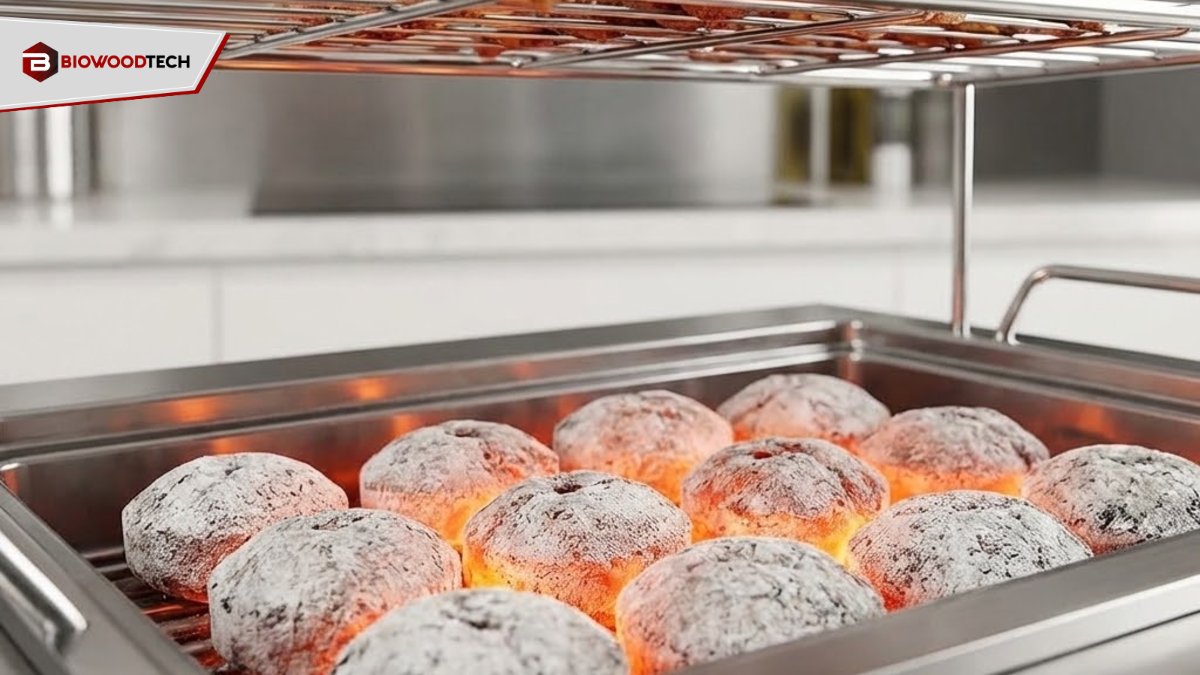
- Charcoal briquettes provide stable heat and long burn that suit multi hour catering better than irregular lump charcoal.
- Low smoke output helps keep shared shoplot areas and semi indoor venues comfortable for guests and staff.
- Predictable burn curves reduce flare ups, temperature swings and frequent refuelling during busy service.
- Briquettes store well in humid Malaysian conditions and resist crumbling when kept properly.
- Testing a small batch ahead of a large function confirms heat, smoke and suitability with minimal risk.
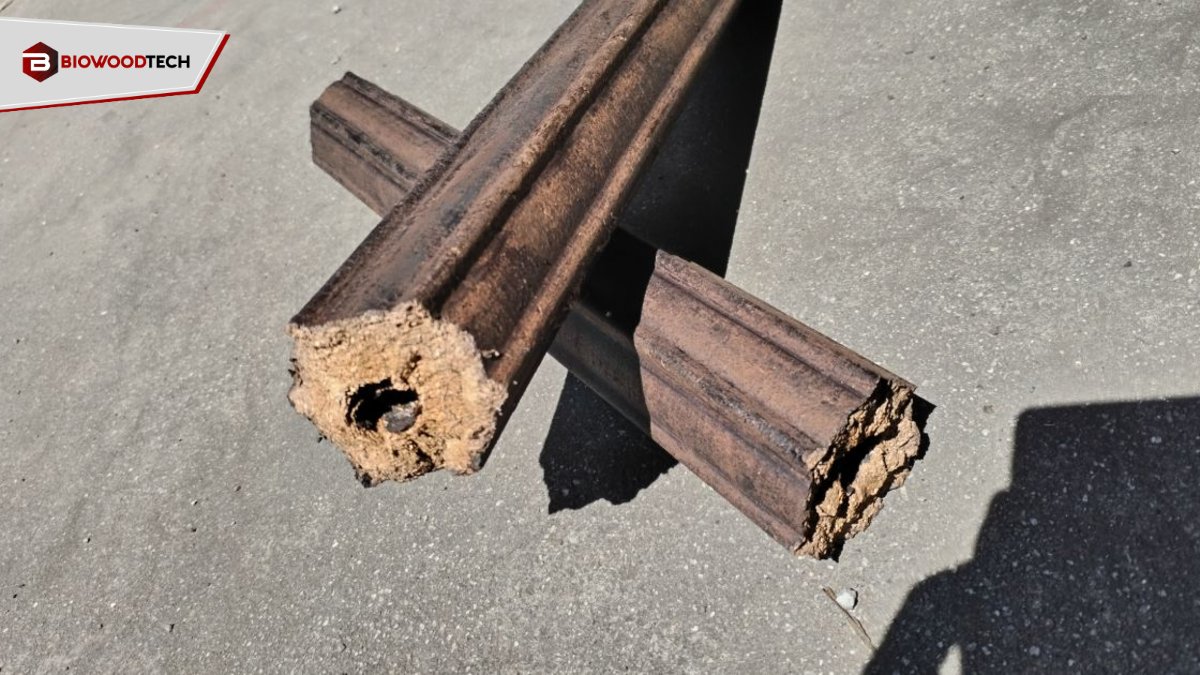
Charcoal briquettes suit Malaysian catering because they provide steadier heat, lower smoke and longer burn time compared with irregular lump charcoal. This gives teams better control over service flow, flavour and ventilation throughout an event.
If you have ever watched smoke drift straight into a condo balcony during grilling at a client’s big day, you already understand why catering fuel needs discipline and control.
Today, we will prevent any unwanted smoke alarms from going off by explaining how high quality charcoal briquettes perform during long services, how they compare with other fuels and what to consider when choosing them for your menu and venue.
Comparison Table: Fuel Options for Catering in Malaysia
| Fuel Type | Heat Stability | Smoke Level | Ash Level | Best Use |
| Sawdust Briquette Charcoal | Very stable for long service | Low and consistent | Low | Satay, buffet grills, event catering |
| Coconut Shell Briquette | Stable after ignition | Moderate | Low | Seafood, skewers |
| Lump Hardwood Charcoal | Strong but inconsistent | Fluctuates often | Medium to high | Quick sear, small batch grilling |
| Gas Grill | Stable | Very low | None | Indoor controlled setups |
| Electric Griddle | Stable | None | None | Malls, hotels, tight ventilation areas |
Notes:
- Sawdust briquettes offer the most predictable burn profile for catering.
- Coconut briquettes suit mid heat menus.
- Lump charcoal needs more attention.
- Gas and electric setups work for strict ventilation areas but do not provide charcoal aroma.
What Does Charcoal Need to Deliver for Catering in Malaysia?
Catering requires heat that stays stable, smoke that stays controlled and fuel that behaves predictably across long hours.
Requirements
- Stable heat profile: Multi hour service demands heat that does not spike or collapse halfway through.
- Low smoke output: Essential for hotel courtyards, condo pool decks, shoplots and semi indoor spaces.
- Ease of handling: Staff should not need constant adjustments or fire management.
- Consistent behaviour: Bags should perform the same each time to keep timing and plating steady.
Why It Matters
Catering setups often have multiple stations running at once. Irregular fuels lead to uneven temperature zones, unpredictable flare ups and staff juggling between grills.
Briquettes reduce these issues because their burn pattern is uniform.
How Do Charcoal Briquettes Compare to Lump Charcoal and Gas for Catering?
Briquettes work best when you need steady heat, while lump charcoal performs well for quick, intense grilling.
Briquettes
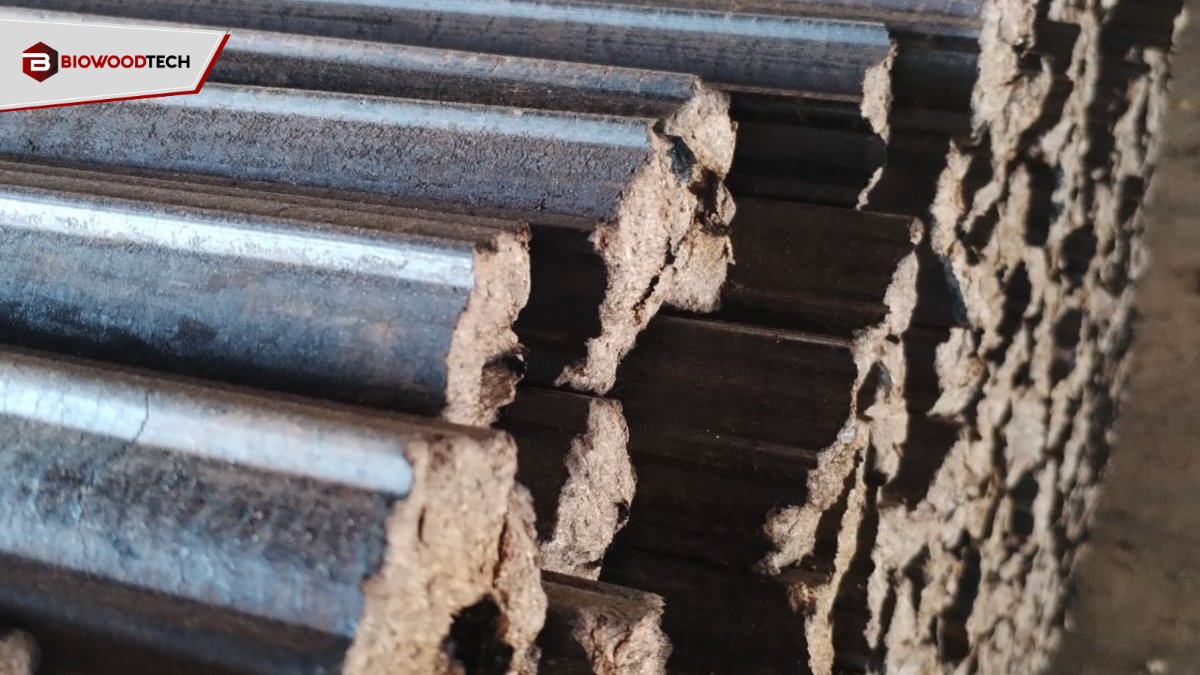
- Uniform shape
- Predictable burn time
- Smokeless charcoal
- Low flare ups
- Suitable for satay, skewers and long service lines
Lump Charcoal
- Fast ignition
- Strong heat at the start
- Irregular pieces cause hotspots
- Flare ups more likely
- Works for short sear sessions but less reliable for long events
Gas or Electric
- Very stable
- Minimal smoke
- Lacks natural charcoal aroma
- Useful for venues with ventilation limits
Example
A satay station using briquettes can keep a consistent line of skewers cooking evenly. Using lump charcoal often forces the cook to shuffle skewers around to avoid cold spots or sudden bursts of heat.
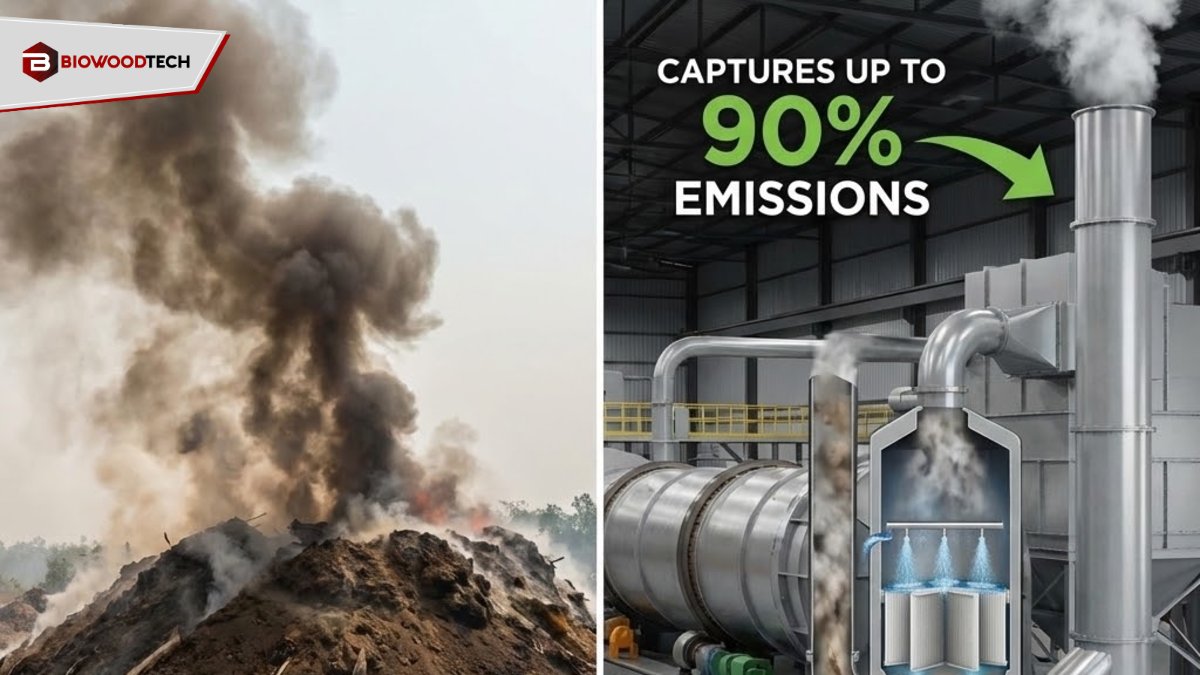
Why Are Low Smoke Briquettes Important for Shoplots and Semi Indoor Grills?
Steady smoke behaviour prevents ventilation issues and keeps shared spaces comfortable.
Malaysian Challenges
- Shoplots positioned under residential floors
- Condo event decks where smoke drifts into windows
- Semi indoor buffet grills inside hotels or malls
- Limited ventilation under shared hoods
How Briquettes Help
- Releases smoke at a steady rate
- Reduces sudden bursts when adding fresh fuel
- Keeps exhaust air more predictable
- Helps maintain clearer visibility under hoods
Example Scenario
During a dinner function, a chef adds briquettes and the smoke stays manageable. With lump charcoal, the same action might create a sudden puff that moves toward guests.
How Should You Choose Charcoal Briquettes for Different Catering Menus?
Menu style determines the heat pattern you should aim for, and briquettes handle most of these well.
Menu Profiles and Suitable Briquette Traits
- Satay, yakitori, skewers: Medium steady heat, uniform rows, easy rotation.
- Kambing golek and rotisserie: Slow long burn, minimal collapse into ash, consistent radiating heat.
- Mixed grill buffets: Balanced heat across the grill surface to avoid burnt patches or undercooked corners.
- Seafood stations: Reliable mid to high heat for prawns, squid and fish without sudden spikes.
Ignition Considerations
Choose briquettes that:
- Catch quickly
- Produce minimal smoke during lighting
- Reach target temperature smoothly
This saves setup time and reduces chaos during pre service preparation.
How Can You Estimate Charcoal Usage and Cost for Each Event?
Planning charcoal based on time and cooking style gives more accurate results than estimating by headcount alone.
Rule of Thumb
Use these baseline figures to plan your initial order:
- Satay service (2 hours): 1 to 1.5 kg per 100 guests
- Mixed grill (3 hours): 3 to 5 kg per pit depending on grill size
- Whole lamb rotisserie: 5 to 8 kg per hour depending on equipment airflow
These values help you gauge how much fuel is needed before adding variables like wind and staffing.
Factors That Change Usage
Event conditions influence burn rate more than most teams expect:
- Weather and wind: Wind boosts oxygen flow, which can shorten burn time.
- Grill airflow design: Vented grills burn faster than closed or shielded setups.
- Menu type and portion size: Seafood and skewers need medium steady heat, while rotisseries need slow high-density heat.
- Staff technique: Frequent flipping, opening lids or uneven fuel spreading increases consumption.
Simple Testing Method
A small test run gives more reliable numbers than any formula
Fire a single pit during a weekday lunch. Track the following:
- Ignition time: How long briquettes take to reach working temperature.
- Refill duration: How many minutes each refill supports optimal heat.
- Smoke pattern: Does smoke stay steady or spike when refuelling.
- Total consumption: How much charcoal the pit uses from start to finish.
This quick test mirrors real service conditions and helps you estimate costs and quantities for larger functions with far more confidence.
How Do Storage and Handling Affect Briquette Performance in Malaysian Weather?
Good storage protects heat output and reduces broken pieces.
Common Storage Mistakes
- Leaving half opened bags in humid storerooms
- Storing charcoal directly on concrete floors which draws up moisture from the ground
- Keeping bags near wet areas or washing sinks
- Leaving stock exposed for weeks
In other words, humidity and moisture are all very bad for charcoal.
Best Practices
- Keep bags sealed until used
- Store on pallets
- Use first in, first out rotation
- Keep storage dry and shaded
- Avoid unnecessary bag handling that causes crumbling
“A briquette that absorbs moisture loses density and burns inconsistently.”
Proper storage ensures each piece behaves the same and supports predictable heat during events.
Why Caterers Choose Biowoodtech Briquette Charcoal
Biowoodtech briquettes are engineered for long, stable heat and clean performance across Malaysian catering environments.
Why Catering Teams Choose Us
- Six hours of heat above 100 degrees: Designed for long service cycles. Suitable for satay lines, yakitori grills and seafood stations that cannot afford temperature dips.
- Low ash for faster turnovers: Cleaner burns mean less mess, faster prep and fewer disruptions in high volume kitchens.
- Batch certified quality: Every delivery comes with batch documentation so multi outlet groups receive consistent results across all locations.
Talk to us about wholesale, OEM or regular supply for your catering needs, and we will supply the best arang BBQ fit for the party!
Frequently Asked Questions About Charcoal Briquettes
Charcoal briquettes are suitable because they give steady heat, lower smoke and predictable burn time across long events.
They are compressed to a uniform density, which helps them burn slower and maintain temperature more consistently.
Most setups use one to five kilograms per grill depending on menu type and event duration.
Yes. Their steady smoke behaviour makes them easier to manage under exhaust hoods and in shared spaces.
They offer a clean charcoal flavour without the extreme variations you sometimes get with mixed wood lump charcoal.
Use a weekday service to measure burn time, heat level and smoke. A single pit test gives reliable insight.