Key Takeaways
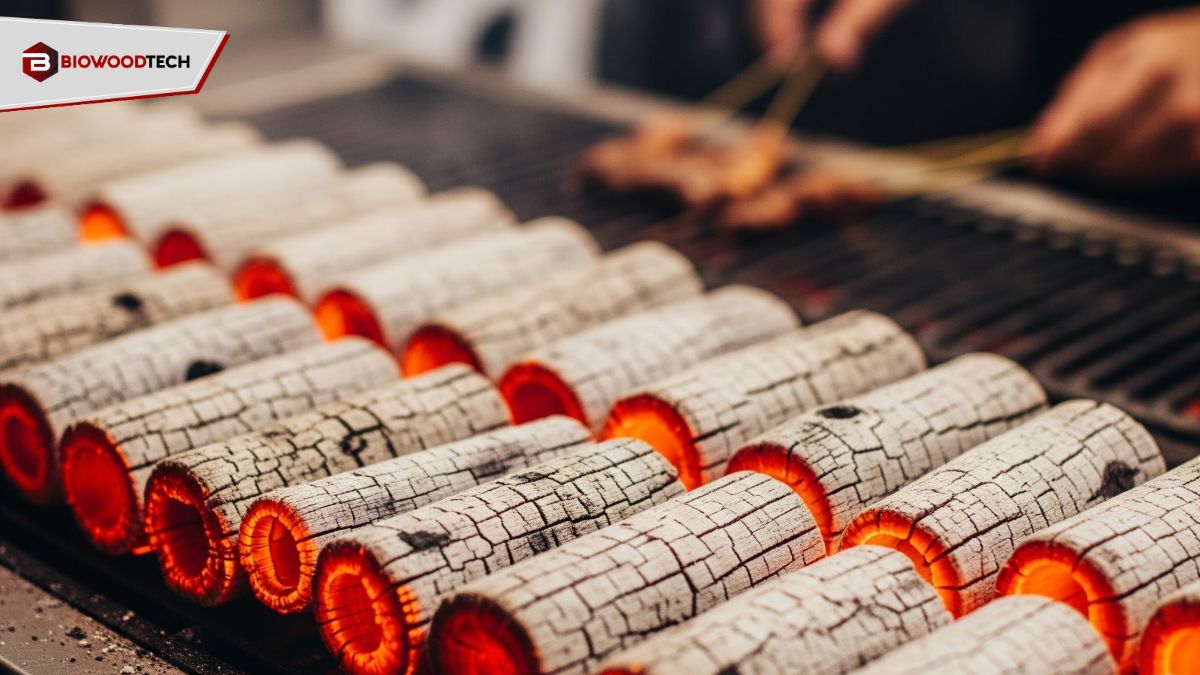
- Mangrove (Bakau) charcoal burns for 3–5 hours, significantly reducing refueling downtime during peak service.
- High density creates a stable heat plateau, essential for consistent satay and seafood grilling without “cold spots.”
- Low smoke and spark-free properties make it safer and cleaner for open-concept or indoor commercial kitchens.
- Natural aromatic qualities enhance food flavor without the chemical aftertaste often found in cheap briquettes.
- Sustainably sourced Bakau is a renewable resource that supports local Malaysian ecosystems when harvested correctly.
Is Mangrove Charcoal (Arang Kayu Bakau) Really Better for Restaurants?
Yes. Malaysian mangrove charcoal (bakau) provides high, consistent heat for over 4 hours without sparking or heavy smoke, making it the superior choice for professional grilling.
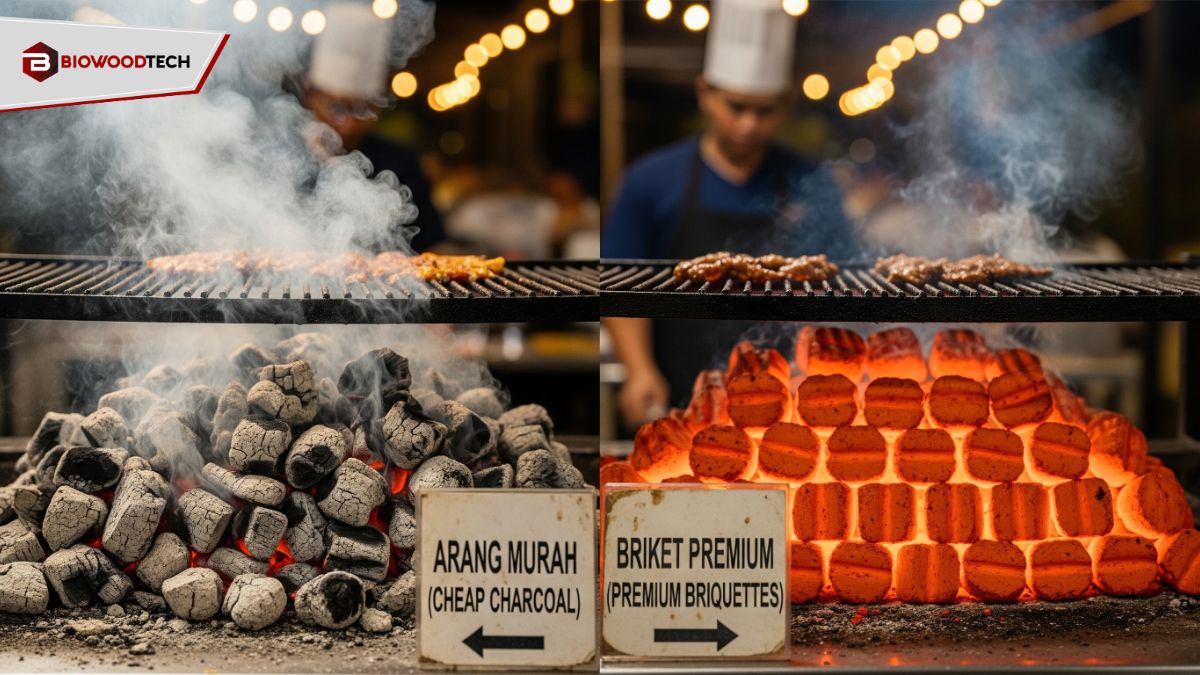
If you are running a grill station in Johor Bahru or a bustling satay house in Melaka, you know the pain of inconsistent fuel. Cheap charcoal burns out fast and spikes unpredictably.
Arang kayu bakau solves this by providing a steady, high-temperature burn that lasts through the entire dinner rush. This guide breaks down exactly why local restaurateurs are making the switch to premium mangrove charcoal to save costs and improve food quality.
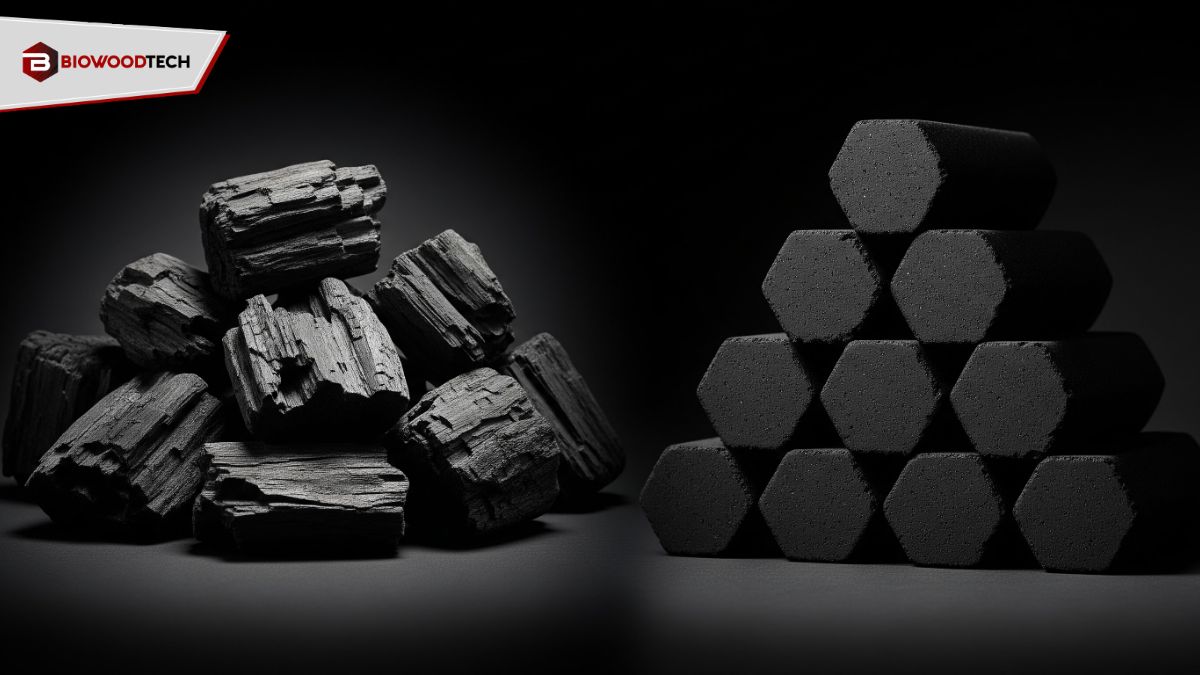
🧾 Comparison: Bakau vs. Regular Charcoal vs. Briquettes
| Feature | Mangrove (Bakau) Charcoal | Regular Lump Charcoal | Sawdust Briquettes |
| Burn Time | High (3–5 Hours) | Low (1–1.5 Hours) | High (4–6 Hours) |
| Heat Consistency | Excellent & Stable | Inconsistent (Spikes) | Excellent & Stable |
| Smoke Level | Low (Clean Burn) | High (Heavy Smoke) | Low/Medium |
| Flavor Profile | Subtle, Natural Aroma | Harsh/Smoky | Neutral |
| Best For | Satay, Seafood, Commercial Grill | Backyard BBQ, Quick Grills | Low & Slow Smoking |
Why is mangrove wood ideal for charcoal?
Mangrove wood’s unique density creates charcoal with higher carbon content, leading to a hotter and longer burn.
Mangrove trees (Bakau) grow in coastal swamps, developing an incredibly dense wood structure to survive harsh tides.
When carbonized into arang kayu, this density translates into a fuel source that is heavy and rock-hard. Unlike lighter tropical woods that burn up in a flash, bakau charcoal holds its structural integrity even at temperatures exceeding 350°C.
For F&B operators, this means less time refilling the pit and more time cooking. A single load of mangrove charcoal can often last through an entire lunch service, reducing the “downtime” where chefs have to wait for new coals to light up.
Expert Insight:
“In a busy satay kitchen, you can’t afford temperature drops. Bakau charcoal gives us that ‘set it and forget it’ heat reliability that cheaper mixed woods just can’t match.” — Head Chef, Melaka Grill House
Does bakau charcoal leave residue on food?
No, high-quality bakau charcoal produces very fine white ash and does not spark, keeping food clean and grit-free.
One of the biggest complaints with cheap “kampung” charcoal is the sparking (meletup) that sends ash flying onto premium cuts of meat. Premium restaurant grade charcoal made from mangrove wood burns cleanly. The ash produced is minimal and usually falls straight through the grate rather than floating up into the food.
This cleanliness is vital for open-concept kitchens found in many modern grill houses in KL and Penang. Customers want to see the fire, not taste the ash. Furthermore, because it lacks chemical binders found in some lower-grade options, it leaves no chemical aftertaste—just the pure essence of the ingredients.
Real-World Scenario:
Imagine grilling a delicate whole seabass. Regular charcoal might pop, covering the moist skin in grey dust. Bakau charcoal burns quietly, allowing the fish to char perfectly without the gritty residue.
How consistent is heat output from mangrove charcoal?
Mangrove charcoal provides a flat, stable heat curve rather than the sharp peaks and valleys of softwoods.
Consistency is the hallmark of a professional kitchen. When you light soft wood charcoal, it gets incredibly hot very fast, often burning the outside of the food before the inside is cooked, and then dies down just as quickly.
Arang kayu bakau Johor Bahru suppliers favor this wood because it ramps up to a high temperature and maintains that heat plateau for hours.
This stability allows chefs to execute precise cooking techniques, whether it’s searing a Wagyu steak or slow-roasting chicken wings. You don’t get “hot spots” and “cold spots” as frequently as you do with irregular lump charcoal.
Stat Block:
- Average Temp: ~350°C (High Heat)
- Ignition Time: 15–20 Minutes
- Usable Cooking Time: 3+ Hours
- Calorific Value: ~7,000 kcal/kg
Where to find premium arang kayu in Johor Bahru and Melaka?
Sourcing direct from reputable suppliers ensures you get Grade A logs rather than broken fragments.
Many new F&B owners make the mistake of buying “by the bag” from general hardware stores, often receiving damp or broken chips.
For commercial use, consistency is key. Suppliers of kayu arang Melaka and Johor often categorize their stock by size—Grade A (large logs) for big pits and Grade B (smaller chunks) for table-top grills.
Choosing a dedicated supplier ensures that the moisture content is low (dry charcoal lights faster) and the pieces are uniform. This is critical for automated or semi-automated grilling setups used in larger chains.
Key Sourcing Criteria:
- Dryness: Must produce a metallic “ting” sound when two pieces are struck together.
- Size: Uniform logs (3–5 inches) for consistent airflow.
- Origin: Sustainably managed Malaysian forest reserves.
Still unsure which charcoal suits your kitchen?
This breakdown clears up the confusion between cost and value. Restaurant-Grade Charcoal 12kg vs 20kg: Which to Choose?
Conclusion: Elevating Malaysian Grills
Choosing the right fuel is just as important as choosing the right ingredients. For Malaysian F&Bs, Arang Kayu Bakau offers the perfect balance of tradition and performance.
It respects the local palate with its subtle aroma while delivering the commercial-grade reliability chefs demand.
Whether you are sourcing supplies for a kayu arang Melaka satay stall or upgrading a KL rooftop bar, mangrove charcoal is the investment that pays off in flavor and efficiency.
FAQs About Mangrove Charcoal
Bakau is denser and burns longer with consistent heat. Fruit wood (like rambutan or durian) adds stronger fruity flavors but typically burns faster and less evenly.
It is a premium hardwood that requires sustainable harvesting and longer carbonization times. However, its long burn time often makes the cost-per-hour cheaper than budget options.
Because it is dense, it takes longer to ignite. Use a chimney starter or a gas torch for 2–3 minutes until the edges glow red, then let the fire spread naturally.
Yes, high-quality mangrove charcoal is widely distributed across Peninsular Malaysia, including major hubs like Johor Bahru, Melaka, and Penang.
Yes, when sourced from regulated forest reserves where replanting is mandatory. It is a renewable resource compared to coal-based briquettes.
Yes. “Restaurant Grade” typically consists of larger, uniform logs (3–5 inches), while “Domestic Grade” may contain smaller broken pieces suitable for smaller home grills.