Key Takeaways
- Lump charcoal burns hotter and cleaner, making it ideal for fast grilling and strong smoky flavour.
- Charcoal briquettes offer steadier heat and longer burn time, which suits longer cooks and controlled barbecues.
- Coconut and compressed briquettes produce less ash and more consistent heat, useful for repeatable results.
- The best charcoal type depends on cooking time, heat control, and how sensitive you are to smoke or odour.
- Proper lighting and airflow often matter more than the charcoal itself for good BBQ results.
Choosing charcoal barbeque often feels harder than choosing the food itself. Shelves are packed with different shapes, labels, and promises, yet most BBQ problems come down to using the wrong type of charcoal for the job.
So, let’s get this out of the way first, there is no single best charcoal for every barbeque. Lump charcoal is best for high heat and flavour, while briquettes are better for longer, controlled cooking.
The right choice? It depends on how you cook, not what looks premium. Let’s get to it.
How Do Different Types of Charcoal Compare at a Glance?
| Charcoal Type | Best For | Heat & Burn | Pros | Cons |
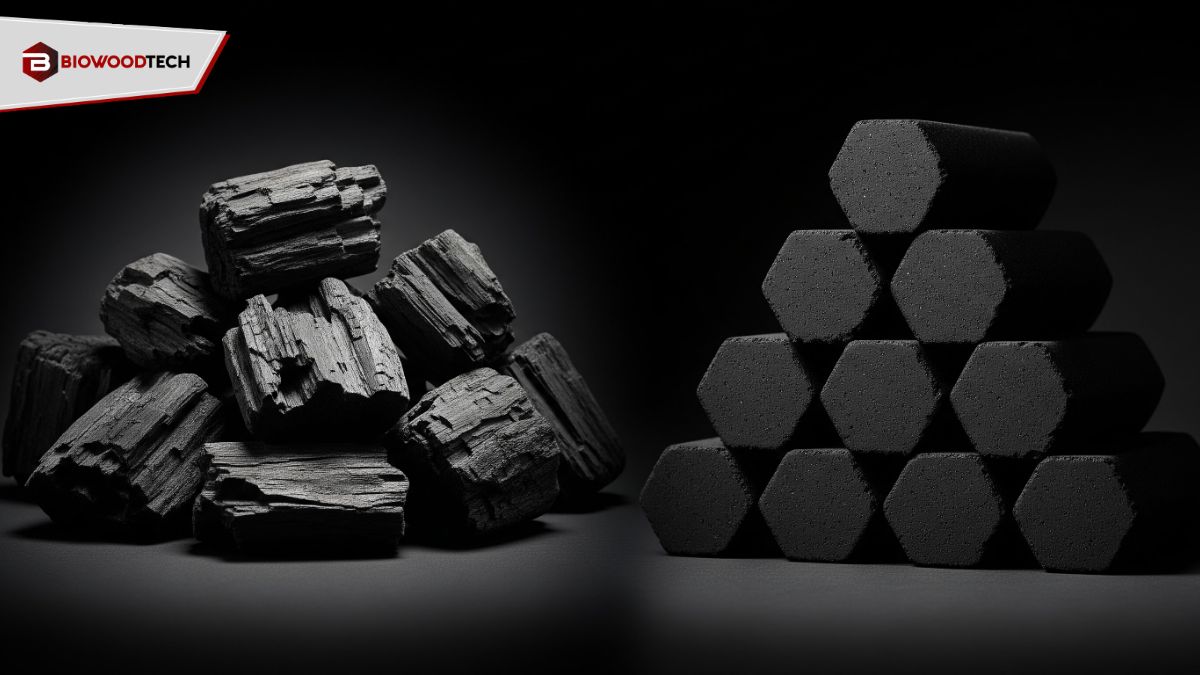
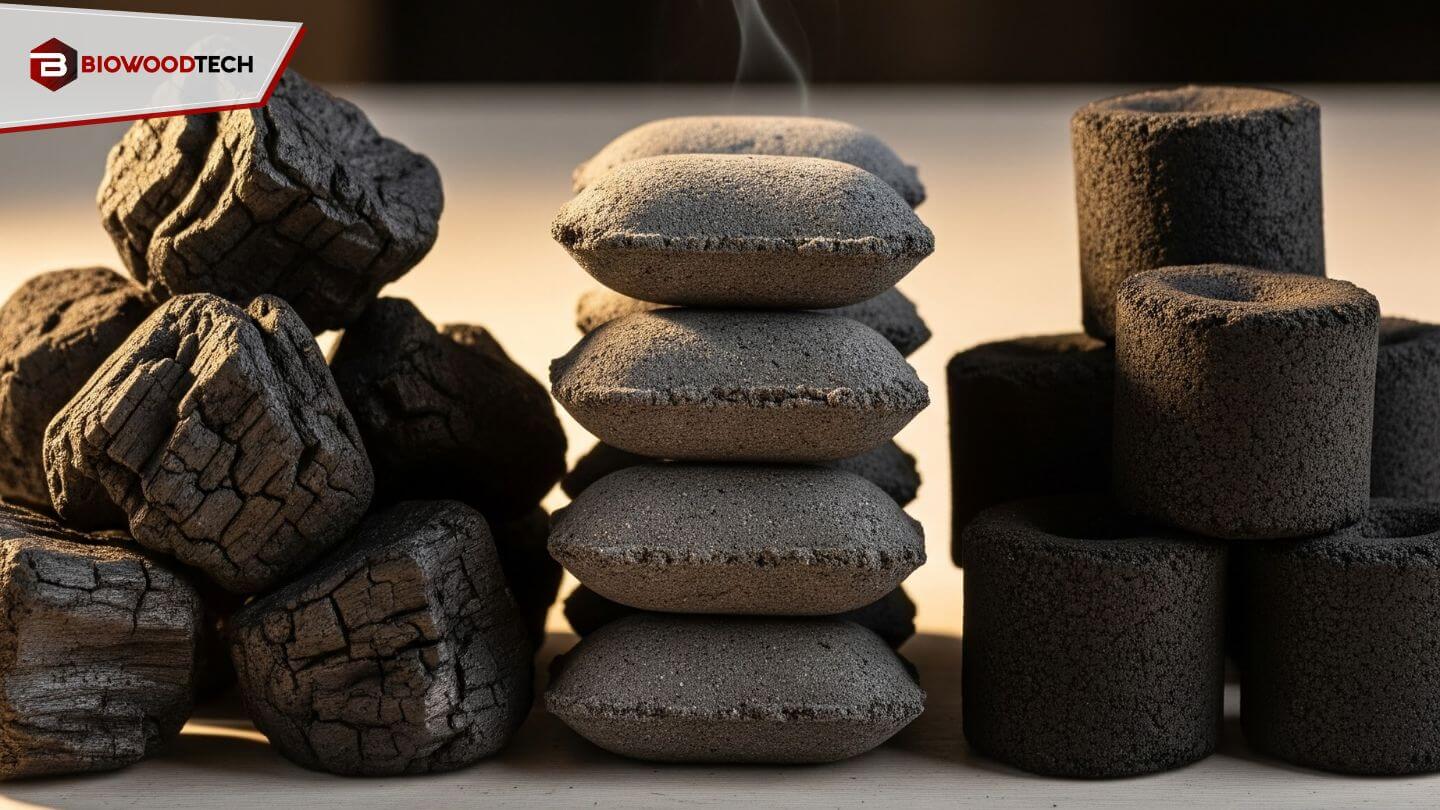
| Lump Charcoal | Fast grilling, searing | Very hot, shorter burn | Clean flavour, quick to light, minimal additives | Irregular size, burns faster |
| Charcoal Briquettes | Long cooks, steady BBQ | Moderate, long-lasting | Consistent heat, easy control | More ash, slower to light |
| Coconut Briquettes | Controlled heat, cleaner BBQ | Steady, medium-long burn | Low ash, neutral smell | Less intense heat |
| Compressed Sawdust Briquettes | Extended sessions | Long, stable burn | Predictable, economical | Can smell if poorly made |
| Binchotan-style Charcoal | Precision grilling | Very hot, very long burn | Extremely clean burn | Expensive, hard to light |
Decision guide:
- Choose lump charcoal for steaks, burgers, and quick grilling.
- Choose briquettes for ribs, chicken, or longer barbeques.
- Choose alternative briquettes when consistency and low ash matter more than heat intensity.
Is Lump Charcoal Better Than Briquettes for BBQ?
Lump charcoal is better when high heat and natural smoke flavour are the priority.
Why lump charcoal performs well for grilling:
- Burns hotter than most briquettes
- Responds quickly to airflow changes
- Produces a clean, wood-forward smoke
- Contains no binders or fillers
Lump charcoal is made from hardwood burned in low oxygen, leaving nearly pure carbon. This allows fast ignition and high heat, which suits quick cooking.
However, uneven piece sizes can cause temperature swings. Without good airflow control, heat can spike or drop unexpectedly.
We recommend you to check out our Briquette Charcoal types and best uses for a more in-depth explanation!
Which Charcoal Is Best for Long or Slow Barbeque Cooking?
Charcoal briquettes are better suited for long, controlled barbeque cooking where temperature stability matters more than peak heat.
Why briquettes perform better for slow or extended cooks
- Uniform shape supports even airflow, which helps the fire burn consistently across the grill.
- Heat output remains stable over time, reducing sudden temperature spikes or drops.
- Easier to manage indirect heat setups, especially for whole chickens, ribs, or larger cuts.
Because briquettes burn at a predictable rate, they allow you to maintain steady temperatures with fewer adjustments.
This is especially useful when cooking foods that need time rather than intense heat, like roasted lamb or rendang.
When coconut or compressed briquettes make sense
That said, other types of charcoal briquettes are also suitable for cooking, due to:
- Lower ash production, which improves airflow during long sessions.
- Longer burn per kilogram, meaning fewer refuels mid-cook.
- More consistent sizing, helping repeatable results across multiple barbeques.
These options are often chosen when cleanliness, consistency, and reduced maintenance are priorities.
For owners who are operating a BBQ party at their condos or a shared public space, this is often preferred.
How to choose your charcoal selection
- Cooks under 30 minutes: Lump charcoal works well due to fast ignition and high heat.
- Cooks between 30 and 60 minutes: Either type works, depending on heat control skill.
- Cooks over 60 minutes: Briquettes are easier to manage and more forgiving.
For long or slow barbeque cooking, stability beats intensity. Briquettes simplify temperature control, letting you focus on timing and food quality rather than constantly managing the fire.
Does Charcoal Types Affect BBQ Flavour?
It does! Arang Kayu types directly influence smoke intensity and aroma.
Flavour impact by charcoal type:
- Lump charcoal: Natural wood smoke, clean finish
- Standard briquettes: Neutral after fully lit, odour during ignition
- Coconut briquettes: Mild, allows marinades to stand out
Lump charcoal enhances grilled meats with natural smokiness (think of satay and grilled fish). Briquettes can release smells early due to binders, especially if cooking starts before they ash over.
For mixed preferences or sensitive noses, neutral-burning briquettes reduce risk.
What Charcoal Is Easiest for Beginners to Use?
Charcoal briquettes are more forgiving for beginners because they prioritise control and consistency over maximum heat.
Beginner-friendly advantages of briquettes
- Consistent size enables predictable airflow, making temperature changes easier to anticipate.
- Slower temperature shifts, which reduce the risk of burning food due to sudden heat spikes.
- Simpler indirect heat control, helpful when cooking thicker cuts or larger portions.
Because briquettes burn in a steady, controlled way, new grillers can focus on food placement and timing instead of constantly adjusting vents or rearranging fuel.
“Lump charcoal becomes easier to use with experience, but early on it demands closer attention due to uneven piece sizes and faster heat response.”
For beginners, keep this in mind:
- Use briquettes as the main fuel to establish stable base heat.
- Add a small amount of lump charcoal only when higher heat is needed for searing.
This hybrid setup provides control without sacrificing flexibility, helping beginners build confidence while still achieving good BBQ results.
How to Light the Charcoal for Your BBQ (Yes, This Part Actually Matters)
Lighting method affects BBQ results as much as charcoal choice, because poorly lit charcoal can ruin flavour before cooking even begins.
Reliable lighting practices:
- Use a chimney starter for even ignition, so charcoal lights from the bottom up instead of burning unevenly.
- Wait until the charcoal fully ashes over before cooking, which removes harsh smells and stabilises heat.
- Avoid lighter fluid, especially with lump charcoal, as it can cling to the surface and affect taste.
Dense briquettes naturally take longer to light, but rushing this step often leads to uneven heat and off-smells.
In practice, many complaints about “bad charcoal” are actually lighting problems rather than fuel quality issues.
“If the fire smells wrong, the food will taste wrong.”
Give the charcoal time, and the BBQ rewards you for it.
Read more: Charcoal for Catering in Malaysia
Is Expensive Charcoal Always Better?
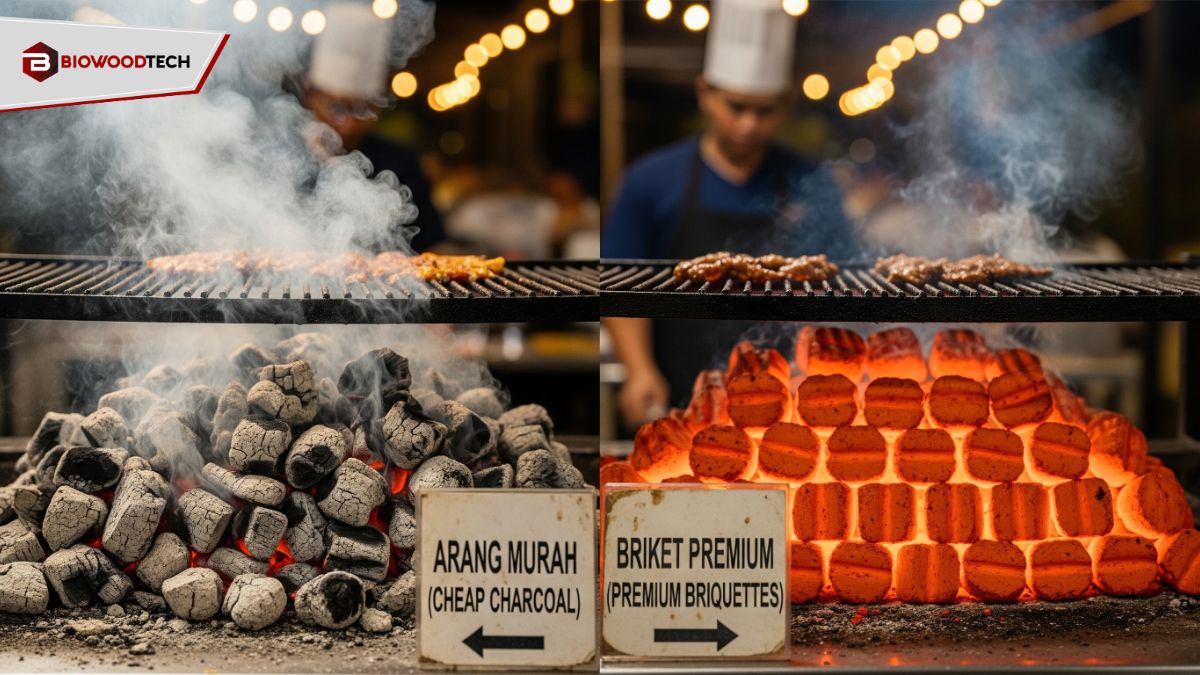
Higher price does not always mean better BBQ results, in fact many affordable charcoal does the job just as well as big brands.
When premium charcoal makes sense:
- Frequent grilling
- Need for consistent heat
- Sensitivity to ash or odour
For occasional barbeques, mid-range charcoal performs well when paired with good airflow and proper lighting. Spending more only pays off when consistency, purity and you have a large baulk of grilling needed to be done.
How to Choose Charcoal Based on Your BBQ Needs
| Scenario | Recommended Charcoal Type | Why It Works | Trade-Off |
| Casual home BBQ, weekends | Charcoal briquettes | Steady heat, forgiving control, easy to manage | Less intense smoke flavour |
| Frequent home grilling | Lump charcoal (or mixed) | Higher heat, better searing, more flavour control | Requires closer airflow management |
| Long or slow cooking | Charcoal or coconut briquettes | Stable temperature, longer burn, fewer refuels | Slower to light |
| Restaurants or high-volume cooking | High-quality briquettes or compressed briquettes | Consistent size, predictable output, cost control | Less dramatic flame |
| Clean, low-odour cooking | Coconut or compressed briquettes | Low ash, neutral smell, clean handling | Lower peak heat |
| Short, high-heat cooks | Lump charcoal | Fast ignition, very high temperatures | Burns faster |
Choosing the Right Charcoal for BBQ Without Overthinking It
The best charcoal for a barbeque depends on how you cook, not on labels or marketing claims. Remember:
- Lump charcoal delivers high heat and bold flavour.
- Briquettes provide control, stability, and longer burn time.
- Alternative briquettes focus on cleanliness and consistency.
Looking for the best sawdust charcoal supplier in Malaysia? Biowoodtech offers charcoal briquettes in multiple grades, including high-density options built for long heat retention and stable cooking.
We offer a FREE sampling for our products that fits your BBQ style, set up your fire properly, and let the charcoal do its job.
Frequently Asked Questions About Charcoal for BBQ
Charcoal briquettes are easier to manage because they burn evenly and maintain steady temperatures.
Yes. Mixing both combines high heat with stable burn and works well for longer cooks.
Charcoal does not expire, but moisture can make it difficult to light. Store it dry and sealed.
It is safe once fully lit, but additives may affect smell and taste during ignition.
Cover the grill base in one layer for direct heat. Add more for longer or indirect cooking.
Yes. Close the vents to extinguish it and reuse unburned pieces later.